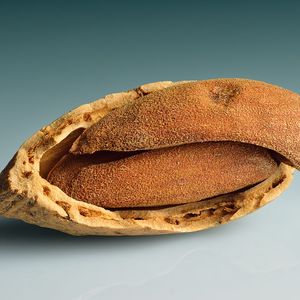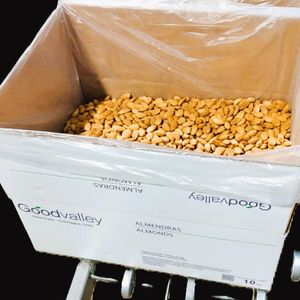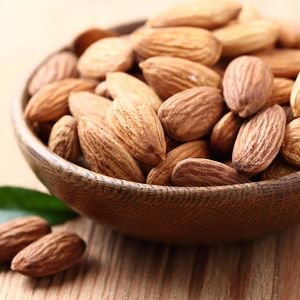
생 비탈각 아몬드 thumbnail

생 비탈각 아몬드 마켓 오버뷰 2026

상위 제품
HS 코드
080211
최종 업데이트
2026-04-16
서치 및 소싱 팀을 위한 핵심 요약
  • 생 비탈각 아몬드 마켓 커버리지는 126개 국가에 걸쳐 있습니다.
  • 이 제품에 대해 글로벌 공급망 인텔리전스 네트워크에 수출업체 980개와 수입업체 1,204개가 색인되어 있습니다.
  • 13,832건의 공급업체 연계 거래가 상위 20개 국가에 걸쳐 요약되어 있습니다.
  • 현재 프리미엄 공급업체 0개와 카탈로그 항목 0개가 등록되어 있습니다.
  • 도매 샘플 항목: 5건; 산지가 샘플 항목: 0건.
  • 이 페이지 데이터셋의 최신 기준 연도는 2026입니다.
  • 페이지 데이터 최종 업데이트일: 2026-04-16.

생 비탈각 아몬드에 대한 글로벌 공급업체 거래, 수출 활동 및 가격 벤치마크

상위 20개 국가에 걸친 공급업체 연계 거래 13,832건을 분석하고, 월간 단가 벤치마크로 생 비탈각 아몬드의 수출 경쟁력과 소싱 리스크를 추적하세요.

생 비탈각 아몬드 국가별 공급업체 거래 및 수출 모멘텀 전년 대비 변화

생 비탈각 아몬드의 긍정적/부정적 전년 대비 변화를 비교해 성장하는 공급 시장과 약화되는 수출 경로를 식별하세요.
생 비탈각 아몬드의 YoY 변동 상위 국가는 싱가포르 (+36.7%), 우즈베키스탄 (-34.1%), 멕시코 (-33.7%)입니다.

생 비탈각 아몬드 국가별 공급업체 거래 및 단가 요약

2025-05 기준으로 생 비탈각 아몬드 국가별 거래 건수와 월간 단가/물량을 비교해 공급업체 및 수출 시장 우선순위를 정하세요.
2025-10 기준, 노출 가능한 생 비탈각 아몬드 거래 단가가 있는 국가는 코스타리카 (10.02 USD / kg), 칠레 (8.66 USD / kg), 미국 (4.50 USD / kg), 호주 (4.33 USD / kg), 아랍에미리트 (3.49 USD / kg), 외 7개국입니다.
국가전년 대비 변화거래 건수2025-052025-062025-072025-082025-092025-102025-112025-122026-012026-022026-032026-04
미국+18.6%10,5214.76 USD / kg (43,951,550.81 kg)4.87 USD / kg (36,377,912.853 kg)5.00 USD / kg (25,313,273.187 kg)5.07 USD / kg (28,294,092.154 kg)4.82 USD / kg (23,551,134.732 kg)4.50 USD / kg (16,133,279.348 kg)
호주+14.4%1,2495.05 USD / kg (2,244,541.667 kg)4.99 USD / kg (2,359,551.33 kg)5.07 USD / kg (3,693,260.069 kg)4.98 USD / kg (3,424,509.184 kg)4.47 USD / kg (3,259,964.395 kg)4.33 USD / kg (2,073,938.192 kg)
우즈베키스탄-34.1%9701.84 USD / kg (22,942 kg)1.64 USD / kg (26,545.16 kg)1.43 USD / kg (9,252 kg)1.76 USD / kg (22,936 kg)1.59 USD / kg (17,868.4 kg)1.69 USD / kg (77,878 kg)
타지키스탄-19.4%2830.84 USD / kg (6,047 kg)0.84 USD / kg (6,730 kg)0.84 USD / kg (4,734 kg)0.84 USD / kg (9,622 kg)0.84 USD / kg (7,723 kg)0.84 USD / kg (11,147 kg)
아프가니스탄-29.5%1392.97 USD / kg (15,560 kg)1.08 USD / kg (132,479 kg)3.21 USD / kg (54,054 kg)1.18 USD / kg (52,740 kg)3.03 USD / kg (189,318.4 kg)1.85 USD / kg (696,732 kg)
인도-8.6%474.04 USD / kg (61,441 kg)4.15 USD / kg (40,840 kg)5.16 USD / kg (246,975.6 kg)12.53 USD / kg (130.8 kg)5.61 USD / kg (245,024 kg)- (-)
중국-17.1%271.20 USD / kg (5,264 kg)0.65 USD / kg (24,985 kg)1.07 USD / kg (78,041.883 kg)1.20 USD / kg (1,174 kg)1.20 USD / kg (160 kg)1.14 USD / kg (71,280 kg)
아랍에미리트+0.4%1124.83 USD / kg (245,261.52 kg)5.06 USD / kg (397,828 kg)5.14 USD / kg (429,333.61 kg)5.03 USD / kg (20,412 kg)- (-)3.49 USD / kg (81,647.64 kg)
캐나다+10.3%925.20 USD / kg (130,636.803 kg)5.14 USD / kg (130,636.803 kg)5.25 USD / kg (21,772.801 kg)4.76 USD / kg (495,331.203 kg)5.56 USD / kg (189,151.203 kg)- (-)
베트남+32.9%121.87 USD / kg (1,684.8 kg)2.28 USD / kg (2,808 kg)- (-)- (-)3.18 USD / kg (3,595.28 kg)2.76 USD / kg (2,246.4 kg)
생 비탈각 아몬드 Global Supply Chain Coverage
2,184개 기업
생 비탈각 아몬드에 대해 수출업체 980개와 수입업체 1,204개가 매핑되어 있습니다.
수출업체와 수입업체는 Tridge 공급망 인텔리전스의 기업 프로필 및 분석을 활용해 생 비탈각 아몬드 거래 상대를 식별하고, 시장 도달 범위를 벤치마킹하며, 시장별 아웃리치 우선순위를 정할 수 있습니다.

생 비탈각 아몬드 수출 공급업체 인텔리전스, 무역 흐름 및 가격 시그널

생 비탈각 아몬드에 대해 Tridge Supply Chain Intelligence에 수출업체 980개가 매핑되어 있습니다. 수출업체와 수입업체는 회사 프로필 및 분석을 활용해 공급업체 커버리지, 거래 활동, 경로 기회를 평가할 수 있습니다.

생 비탈각 아몬드 상위 수출업체 및 공급업체 프로필

선도 수출업체 프로필을 검토하고 생 비탈각 아몬드 공급망 인텔리전스 네트워크의 전체 수출업체 980개와 비교해 보세요. 수출업체와 수입업체는 회사 프로필 및 분석을 잠금 해제해 파트너를 더 빠르게 검증할 수 있습니다.
(조지아)
최근 수출 거래: 2026-03-16
산업군: 식품 포장해상 및 수상 운송작물 생산
밸류체인 역할: 유통 / 도매농업 / 생산 / 가공 / 포장무역
(중국)
최근 수출 거래: 2026-03-16
산업군: 기타
밸류체인 역할: 무역
(아랍에미리트)
최근 수출 거래: 2026-03-16
산업군: 브로커 및 무역 대행기타식품 도매
밸류체인 역할: 유통 / 도매무역기타
(터키)
최근 수출 거래: 2026-03-16
산업군: 식품 도매
밸류체인 역할: 무역
(미국)
최근 수출 거래: 2025-10-22
임직원 규모: 직원 1 - 10명
산업군: 기타
밸류체인 역할: 물류
(조지아)
최근 수출 거래: 2026-03-16
산업군: 작물 생산브로커 및 무역 대행
밸류체인 역할: 무역농업 / 생산 / 가공 / 포장
생 비탈각 아몬드 글로벌 수출업체 커버리지
980개 기업
수출업체 수는 생 비탈각 아몬드의 공급 깊이와 소싱 선택지의 핵심 신호입니다.
공급망 인텔리전스 분석을 활용해 생 비탈각 아몬드 기회를 국가, 제품, 밸류체인 역할로 좁힌 뒤 기업 프로필을 열어 적합성을 검증하세요.

생 비탈각 아몬드의 주요 수출국 (HS 코드 080211) 2024

생 비탈각 아몬드의 2024년 기준, 상위 공급국 10개의 수출 물량과 금액을 비교해 핵심 공급 구조를 파악하세요.
순위국가물량금액리포트
1미국318,166,927 kg1,298,124,024 USD보기 →
2호주79,814,138.01 kg300,557,404.885 USD보기 →
3포르투갈26,391,663 kg50,545,814.506 USD보기 →
4스페인4,269,038.344 kg16,440,825.484 USD보기 →
5터키1,623,202 kg5,426,637 USD보기 →
6태국1,189,815 kg2,595,447.14 USD보기 →
7홍콩854,138 kg2,424,867.606 USD보기 →
8네덜란드287,095.532 kg1,770,304.679 USD보기 →
9이탈리아381,576 kg1,454,656.56 USD보기 →
10벨기에113,934.39 kg1,275,893.374 USD보기 →

생 비탈각 아몬드 수출 무역 흐름 및 파트너 국가 요약

생 비탈각 아몬드의 수출국-수입국 흐름을 금액, 물량, 점유율 기준으로 추적해 잠재력 높은 수출 경로를 발굴하세요.

생 비탈각 아몬드 수입 바이어 인텔리전스, 수요 시그널 및 가격 벤치마크

생 비탈각 아몬드 수요 인텔리전스를 위해 수입업체 1,204개가 매핑되어 있습니다. Supply Chain Intelligence 회사 프로필 및 분석으로 시장별 바이어, 유통업체, 다운스트림 수요 파트너의 우선순위를 정하세요.

생 비탈각 아몬드 상위 바이어, 수입업체 및 수요 파트너

선도 바이어 프로필을 검토하고 생 비탈각 아몬드에 대해 추적되는 전체 수입업체 1,204개와 비교해 보세요. 수출업체와 수입업체는 Supply Chain Intelligence 회사 프로필 및 분석을 활용해 바이어 품질과 수요 집중도를 평가할 수 있습니다.
(인도)
최근 수입 거래: 2025-08-19
매출액: 매출 USD 5M - 10M
산업군: 식품 제조작물 생산
밸류체인 역할: -
(인도)
최근 수입 거래: 2026-03-16
산업군: 작물 생산식품 제조
밸류체인 역할: -
(인도)
최근 수입 거래: 2026-02-26
산업군: 식품 포장식품 제조식음료 서비스업
밸류체인 역할: -
(인도)
최근 수입 거래: 2026-01-11
산업군: 식품 도매식품 포장작물 생산식품 제조
밸류체인 역할: -
(인도)
최근 수입 거래: 2026-02-28
산업군: 식품 제조작물 생산
밸류체인 역할: -
(인도)
최근 수입 거래: 2026-03-16
산업군: 브로커 및 무역 대행작물 생산기타
밸류체인 역할: -
글로벌 수입업체 커버리지
1,204개 기업
수입업체 수는 생 비탈각 아몬드에 대한 수요 측 가시성의 현재 깊이를 보여줍니다.
공급망 인텔리전스 분석과 기업 프로필을 활용해 활동 중인 생 비탈각 아몬드 바이어를 식별하고, 국가별 파트너 밀도를 비교하며, GTM 우선순위를 정교화하세요.

생 비탈각 아몬드의 주요 수입 수요 국가 (HS 코드 080211) 2024

생 비탈각 아몬드의 2024년 기준, 상위 수요국 10개의 수입 물량과 금액을 비교해 우선 시장을 식별하세요.
순위국가물량금액리포트
1인도269,521,824 kg1,002,045,255.215 USD보기 →
2터키5,725,656 kg18,984,794 USD보기 →
3스페인9,444,985.85 kg14,121,286.604 USD보기 →
4이탈리아2,312,809 kg11,713,068.903 USD보기 →
5파키스탄9,386,066.233 kg9,701,239.357 USD보기 →
6우즈베키스탄5,802,240 kg6,901,839.99 USD보기 →
7독일779,199.447 kg4,551,551.626 USD보기 →
8태국2,748,230.181 kg4,515,503.68 USD보기 →
9벨기에517,460.477 kg3,867,897.82 USD보기 →
10홍콩1,091,276 kg3,448,896.376 USD보기 →

생 비탈각 아몬드 수입 무역 흐름 및 원산지 국가 요약

생 비탈각 아몬드의 원산지-도착지 무역 흐름을 금액, 물량, 점유율 기준으로 분석해 수요 측 소싱 채널을 모니터링하세요.

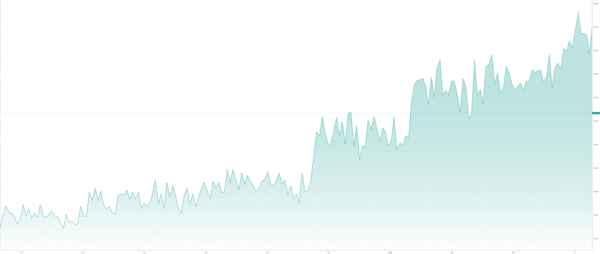
생 비탈각 아몬드의 국가별 글로벌 도매 공급가 추이

생 비탈각 아몬드 국가별 월간 도매 공급가 요약

생 비탈각 아몬드의 수출 및 소싱 의사결정을 위한 국가별 월간 도매 단가 벤치마크입니다.
2025-10 기준, 노출 가능한 생 비탈각 아몬드 도매 단가가 있는 국가는 스페인 (14.35 USD / kg), 인도 (11.55 USD / kg), 중국 (8.92 USD / kg), 프랑스 (5.41 USD / kg)입니다.
국가2025-052025-062025-072025-082025-092025-102025-112025-122026-012026-022026-032026-04
캐나다5.14 USD / kg3.68 USD / kg3.43 USD / kg3.30 USD / kg--
중국8.80 USD / kg8.84 USD / kg8.85 USD / kg8.85 USD / kg8.91 USD / kg8.92 USD / kg
스페인9.02 USD / kg9.19 USD / kg12.58 USD / kg12.18 USD / kg14.19 USD / kg14.35 USD / kg
프랑스6.20 USD / kg5.73 USD / kg5.50 USD / kg5.39 USD / kg5.46 USD / kg5.41 USD / kg
인도10.84 USD / kg10.77 USD / kg11.23 USD / kg11.21 USD / kg11.37 USD / kg11.55 USD / kg

생 비탈각 아몬드 주요 수출국별 도매 가격 경쟁력

생 비탈각 아몬드의 상위 수출국 5개 전반의 도매 가격 범위와 전년 대비 변화를 비교해 공급업체 가격 경쟁력을 벤치마킹하세요.
순위국가평균하한상한전년 대비리포트
1캐나다4.56 USD / kg3.22 USD / kg9.31 USD / kg+13.1%보기 →
2중국8.81 USD / kg7.53 USD / kg10.20 USD / kg-2.8%보기 →
3스페인11.88 USD / kg5.05 USD / kg14.60 USD / kg+38.5%보기 →
4프랑스6.67 USD / kg4.91 USD / kg11.68 USD / kg-9.0%보기 →
5인도11.20 USD / kg10.69 USD / kg11.58 USD / kg+9.0%보기 →

최신 생 비탈각 아몬드 도매 수출 가격 업데이트

최신 5건의 생 비탈각 아몬드 도매 업데이트를 활용해 현재 수출 가격 포인트와 원산지 수준 공급업체 변화를 검증하세요.
일자항목명단가 (USD) 
2026-04-01MAN***** * ******** ******** ******** * ******** **** ***** * * ******** ***** * ******* ***12.52 USD / kg
2026-04-01AMA*** ***** ****** ***** * ******* ******7.18 USD / kg
2026-04-01Çağ** ******* * 2.97 USD / kg
2026-04-01AMA*** ***** *** ***** * ******* ******11.58 USD / kg
2026-04-01Nut* ********* ******** * ******* ********78.09 USD / kg

Classification

Product TypeRaw Material
Product FormDried (In-shell)
Industry PositionPrimary Agricultural Product

Raw Material

Commodity GroupTree Nuts
Scientific NamePrunus dulcis
PerishabilityLow
Growing Conditions
  • Mediterranean-type climate with cool winters and warm-to-hot, dry summers
  • Requires sufficient winter chill for dormancy and strong spring pollination for nut set
  • Bloom is frost-sensitive, making late frosts a yield risk in some origins
  • Commercial yields in arid zones often depend on irrigation and reliable water supply
  • Heavily reliant on managed honey bee pollination in large-scale commercial systems
Main VarietiesNonpareil-type, Carmel-type, Monterey-type, Marcona-type, Guara-type
Consumption Forms
  • In-shell snack nuts (often roasted/salted after import or domestically)
  • Shelled kernels for confectionery and bakery
  • Processed almond products (paste, flour/meal, beverages) derived from shelled kernels
  • Almond oil (from kernels) in food and personal care applications
Grading Factors
  • In-shell size and uniformity
  • Shell integrity and cleanliness
  • Insect damage and defect tolerance
  • Moisture stability and absence of mold/off-odors
  • Foreign matter control
  • Compliance with contaminant limits (notably aflatoxins) in destination markets
Planting to HarvestTypically 3–4 years to first commercial harvest; commonly ~6–8 years to reach full bearing in modern orchards (varies by system and variety).

Market

Raw in-shell almond is a globally traded tree nut commodity typically marketed after hulling, drying, sizing, and export packing. Global supply is concentrated in a small set of origins—most notably the United States (California)—with Spain and Australia important additional export suppliers. Major demand centers include South Asia, East Asia, and the European Union, where almonds serve both direct snack consumption (in-shell) and downstream shelling/processing into kernels and ingredients. Trade is shaped by water-driven production risk in key origins, strict food safety (notably aflatoxin) compliance, and buyer specifications around size, defects, and moisture stability.
Major Producing Countries
  • 미국California is the dominant global production center for commercial almonds.
  • 스페인Large European producer with both traditional and expanding irrigated plantings.
  • 호주Major Southern Hemisphere producer with export-oriented supply.
  • 이란Significant producer supplying domestic and regional markets.
  • 모로코Notable producer in Mediterranean/North African production belt.
  • 터키Meaningful regional producer with growing commercial output in some areas.
Major Exporting Countries
  • 미국Largest export supplier across in-shell and kernel formats; shipments sensitive to California production conditions and logistics.
  • 스페인Exports within the EU and to third-country markets; also serves as a regional processing/trading hub.
  • 호주Counter-seasonal Southern Hemisphere supply window supports global availability.
Major Importing Countries
  • 인도Major destination market for almonds; imports include in-shell for retail and kernels for processing.
  • 중국Large consumer and processing market for nuts; imports vary by format and pricing.
  • 독일Important EU demand center for confectionery/bakery and retail nut categories.
  • 네덜란드EU trade and logistics gateway supporting redistribution across Europe.
  • 아랍에미리트Regional trade and re-export hub for nuts into the Middle East and South Asia.
Supply Calendar
  • United States (California):Aug, Sep, OctMain harvest and drying/handling period for new-crop shipments.
  • Spain:Aug, SepNorthern Hemisphere harvest period; timing varies by region and variety.
  • Australia:Feb, Mar, AprSouthern Hemisphere harvest window provides counter-seasonal availability.
  • Iran:Aug, SepMediterranean/continental climate harvest period; domestic and regional trade focus.
  • Morocco:Aug, SepMediterranean harvest timing; local market orientation with selective export activity.

Specification

Major VarietiesNonpareil, Carmel, Monterey, Butte, Padre, Guara, Marcona, Tuono
Physical Attributes
  • Shell type and integrity (hard vs. soft-shell characteristics depending on origin/variety)
  • Kernel size/count (often expressed after shelling) and uniformity
  • Defect tolerances (insect damage, shriveling, broken shells, foreign matter)
  • Absence of visible mold and off-odors
Compositional Metrics
  • Moisture stability targets for safe storage and transport (buyer-set specifications to reduce mold and quality loss)
  • Food safety compliance testing focused on aflatoxins and related mycotoxin controls in regulated markets
  • Oxidation/rancidity management metrics may be used for shelled kernels derived from in-shell lots (e.g., peroxide value in downstream testing)
Grades
  • Buyer specifications commonly reference size, defect tolerances, and cleanliness; national standards may be used as reference points (e.g., USDA standards in US export trade)
  • UNECE dried produce/nut standards are used as reference frameworks in some international transactions, especially for kernels and defect definitions
Packaging
  • Bulk export cartons or sacks with inner liners to protect against moisture pickup and odor taint
  • Ventilated, clean, dry packaging and container loading practices to prevent condensation and contamination
ProcessingPost-harvest hulling followed by drying to stabilize quality for storage and exportSizing/sorting of in-shell nuts and removal of foreign material prior to packingPhytosanitary measures (e.g., fumigation or controlled-atmosphere insect control) may be applied depending on importing-country requirements

Supply Chain

Value Chain
  • Orchard production (pollination, irrigation, pest management) -> mechanical harvest -> hulling -> drying -> in-shell sizing/sorting -> export packing -> containerized shipment -> importer warehousing -> retail sale (in-shell) and/or downstream shelling into kernels
Demand Drivers
  • Snack consumption demand for nuts (including in-shell formats in some markets)
  • Confectionery and bakery demand supported by downstream shelling into kernels
  • Food manufacturing use (nut mixes, coated nuts, desserts) and plant-based ingredient applications for shelled output derived from in-shell lots
Temperature
  • Quality is preserved by keeping product cool, dry, and protected from heat to slow rancidity and prevent moisture-related mold risks
  • Avoiding temperature swings that drive condensation in containers is important for long-distance shipments
Atmosphere Control
  • Insect control may rely on fumigation or controlled/modified-atmosphere approaches depending on market access requirements
  • Low-oxygen or inert-gas approaches are used more commonly for shelled kernels, but in-shell lots may also be managed to reduce insect and oxidation risks in storage
Shelf Life
  • In-shell almonds are relatively shelf-stable when sufficiently dried and kept cool and dry, but quality can deteriorate via rancidity, odor absorption, or moisture pickup during storage and transport

Risks

Climate And Water Availability HighGlobal export supply is highly exposed to drought and water-allocation constraints in major producing regions—especially California—so adverse hydrology, groundwater regulation, or irrigation curtailments can rapidly tighten global availability and raise prices across in-shell and downstream kernel markets.Diversify origin exposure (e.g., combine Northern and Southern Hemisphere suppliers), monitor water policy and reservoir/snowpack indicators in key origins, and use forward contracts plus inventory buffers to manage crop-year volatility.
Food Safety HighAflatoxin contamination risk (linked to mold growth and poor post-harvest drying/handling) can trigger shipment rejections, recalls, or heightened inspection in regulated import markets, disrupting trade flows and increasing compliance costs.Strengthen drying and moisture-control programs, implement representative sampling/testing plans aligned to destination requirements, and maintain supplier traceability and segregation for risk lots.
Pest And Quality Loss MediumInsect damage and storage pests can reduce grade-out and increase mycotoxin risk; quality losses also occur through rancidity or moisture pickup during storage and ocean transit if packaging and container conditions are not well controlled.Use integrated pest management at origin, apply destination-appropriate phytosanitary measures, and enforce dry, odor-free, condensation-managed container loading and warehousing practices.
Regulatory Compliance MediumMarket access depends on meeting importing-country requirements for contaminants (including aflatoxins), pesticide residues, and phytosanitary measures; changing enforcement intensity or standards can increase rejection risk even when supply is available.Track destination regulatory updates, align specifications to the strictest target markets where feasible, and qualify alternative markets/outlets for lots that do not meet premium export specifications.
Sustainability
  • Water use and drought exposure in key producing regions (notably California) driving cost volatility and long-term sustainability scrutiny
  • Pollinator dependency: commercial almond production relies heavily on managed honey bee pollination, creating sensitivity to bee health and pollination service availability
  • Pesticide and pest-management externalities, including pressures to reduce chemical inputs while managing insect damage and aflatoxin-related mold risk
  • Greenhouse-gas footprint considerations linked to irrigation energy and long-distance shipping for export-dependent supply chains
Labor & Social
  • Seasonal labor and worker safety risks across harvest, hulling, and handling operations
  • Bee welfare and beekeeping-sector stress associated with large-scale migratory pollination servicing almond orchards

FAQ

Which countries are the main global exporters of almonds (including in-shell trade)?Trade data compiled by ITC Trade Map and UN Comtrade typically shows the United States as the largest export supplier, with Spain and Australia also important exporters in international almond trade.
Why is water availability considered a major risk for global almond supply?A large share of commercial almond production is concentrated in drought-prone regions—especially California in the United States—so drought conditions or water-allocation constraints can reduce output and quickly tighten export availability, as reflected in the record’s top risk highlight and described in USDA and industry reporting.
What food safety issue most commonly affects international almond shipments?Aflatoxins are a key concern for traded almonds because they can lead to import rejections and stricter inspections; Codex Alimentarius guidance and importing-market regulations make moisture control, good drying practices, and testing programs central to compliance.

생 비탈각 아몬드 공급업체, 수출 흐름, 가격 데이터 국가 커버리지

공급업체 커버리지, 무역 흐름, 가격 벤치마크를 위해 생 비탈각 아몬드의 국가별 마켓 페이지를 탐색하세요.
전체 국가 마켓 페이지: 안도라, 아랍에미리트, 아프가니스탄, 알바니아, 아르메니아, 아르헨티나, 오스트리아, 호주, 아루바, 아제르바이잔, 보스니아 헤르체고비나, 바베이도스, 방글라데시, 벨기에, 불가리아, 바레인, 버뮤다, 브루나이, 볼리비아, 브라질, 바하마, 보츠와나, 벨라루스, 벨리즈, 캐나다, 콩고 민주 공화국, 스위스, 코트디부아르, 칠레, 중국, 콜롬비아, 코스타리카, 쿠바, 키프로스, 체코, 독일, 덴마크, 도미니카 공화국, 에콰도르, 에스토니아, 이집트, 스페인, 핀란드, 피지, 프랑스, 영국, 조지아, 감비아, 그리스, 과테말라, 홍콩, 온두라스, 크로아티아, 헝가리, 인도네시아, 아일랜드, 이스라엘, 인도, 이란, 아이슬란드, 이탈리아, 요르단, 일본, 케냐, 키르기스스탄, 캄보디아, 대한민국, 쿠웨이트, 카자흐스탄, 스리랑카, 라이베리아, 리투아니아, 룩셈부르크, 라트비아, 모로코, 몰도바, 몬테네그로, 마다가스카르, 마케도니아, 미얀마 [버마], 몽골, 마카오, 몰타, 모리셔스, 몰디브, 멕시코, 말레이시아, 모잠비크, 나미비아, 나이지리아, 니카라과, 네덜란드, 노르웨이, 네팔, 뉴질랜드, 오만, 파나마, 페루, 필리핀, 파키스탄, 폴란드, 포르투갈, 파라과이, 카타르, 루마니아, 세르비아, 러시아, 사우디아라비아, 스웨덴, 싱가포르, 슬로베니아, 슬로바키아, 세네갈, 엘살바도르, 태국, 타지키스탄, 투르크메니스탄, 튀니지, 터키, 탄자니아, 우크라이나, 우간다, 미국, 우즈베키스탄, 베트남, 남아프리카
'쿠키 허용'을 클릭하면 통계 및 개인 선호도 산출을 위한 쿠키 제공에 동의하게 됩니다. 개인정보 보호정책에서 쿠키에 대한 자세한 내용을 확인할 수 있습니다.