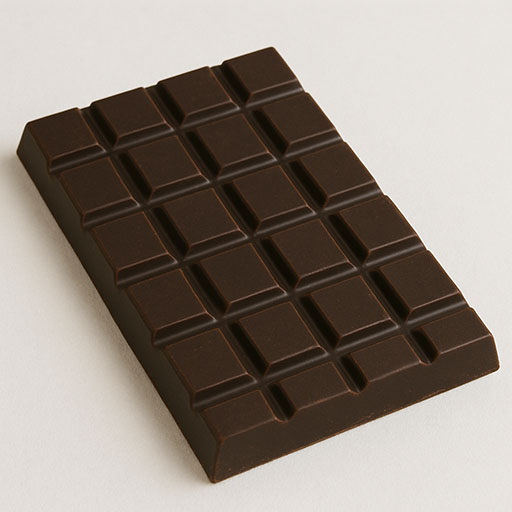
Dark Chocolates Suppliers & Prices in Belarus — Market Overview 2026
See Dark Chocolates Prices and Trade in Belarus
Free account, no card. Submitting sale prices, buying requests, accepting connections and sending quotes need a verified company. Verify your company and Business is free for 7 days with 100 credits, no card. Add a card during the trial and it stays free for 7 more days with 100 more credits, then half price for the first paid month. No card? You move back to Free.
- 5 sampled export transactions for Belarus are summarized.
- Page data last updated on 2026-11-08.
Dark Chocolates Export Supplier & Manufacturer Intelligence, Price Trends, and Trade Flows in Belarus
Sample Export Supplier & Manufacturer Transaction Records for Dark Chocolates in Belarus
| Date | Reported Product | Unit Price | Exporter | Importer | |
|---|---|---|---|---|---|
| 2026-07-31 | Cho****** *** ***** **** ************ ********** ************* ** ******* ***** ** ******** ******* **************** *** **** ******* ********** **** ******** **** **** ** ******* ************* *** *********** ******* * ****** ** *** * * | 11.37 USD / kg | (Belarus) | (Uzbekistan) | |
| 2026-07-31 | Cho****** *** ***** ******** **** ******** ********** ********************** *** ********* ****************** ******* ******* ** *** ******* *************** ******** ********** ** ******* ** **** ********** ***** ********* *** ******* ** ******* ************* *** *********** ******* * ******* ** *** | 10.64 USD / kg | (Belarus) | (Uzbekistan) | |
| 2026-06-30 | Cho****** *** ***** **** ************ ********** ************* ** ******* ***** ** ***** *** ******* ****************** ** *** ********* ********* ****** ******* ********* **** ********** *** ****** **** ******** *** **** **** **** ****** ** *** * ******* ** *** ** ***** *** *** | 9.71 USD / kg | (Belarus) | (Uzbekistan) | |
| 2026-06-30 | Cho****** *** ***** **** ************ ********** ************* ** ******* ***** ** ***** *** ******* ****************** ** *** ********* ********* ****** ******* **** ********* ******* ***** ****** *** ****** **** ***** ******* **** *** **** **** **** ****** ** *** * ******* *** *** ** ***** *** *** | 11.75 USD / kg | (Belarus) | (Uzbekistan) | |
| 2026-06-02 | Cho****** *** ***** **** ************ ********** ************* ** ******* ***** ** ***** *** ******* ********** ***** ******** ***** ** ************* ********* ************** *** ****** ***** ***** ****** ** **** ** ****** * ******* *** ******** ******* * ******* ** *** * ***** | 18.59 USD / kg | (Belarus) | (Uzbekistan) |
Sign up and verify your company — newly verified companies can try Tridge Eye Business free.
Top Dark Chocolates Export Suppliers, Manufacturers, and Companies in Belarus
Wholesale and farmgate prices for Dark Chocolates in Belarus — included in Business, free to try for newly verified companies
Free account, no card. Submitting sale prices, buying requests, accepting connections and sending quotes need a verified company. Verify your company and Business is free for 7 days with 100 credits, no card. Add a card during the trial and it stays free for 7 more days with 100 more credits, then half price for the first paid month. No card? You move back to Free.
Classification
Market
Specification
- Very-high-cocoa dark chocolate (e.g., 99% variant)
- Retail bar format (e.g., 95 g bars in producer catalogs)
- Heat-sensitive product where temperature excursions can cause fat bloom and texture changes
- Cocoa content commonly declared as a percentage (e.g., 68%, 72%, 99%)
- Example ingredient declaration (Spartak 72%): cocoa mass, powdered sugar, soy lecithin (emulsifier), natural vanilla flavor
- Example ingredient declaration (Spartak 68%): cocoa mass, sugar, cocoa butter, lecithin (emulsifier), natural vanilla flavor
- Example ingredient declaration (Spartak 99%): cocoa mass, cocoa powder, cocoa butter, lecithin (emulsifier), stevia extract (stevioside), natural vanilla flavor
- Packaged consumer units with mandatory label elements (name, composition, net quantity, date marking, shelf life, storage conditions, manufacturer/importer as applicable) under TR TS 022/2011
Supply Chain
- Imported cocoa ingredients (beans and/or cocoa liquor/butter/powder) + sugar and minor ingredients → factory processing and packaging in Belarus → distribution via modern retail and firm stores → regional exports where feasible
- Quality is sensitive to heat exposure during storage/transport (risk of bloom and texture defects), so temperature discipline is important in domestic distribution and any export lanes.
- Shelf life on selected Belarus producer dark-chocolate bars is stated in the 18–24 month range depending on variant.
Risks
- Upstream cocoa supply-chain due diligence (child labor/forced labor risk in cocoa origins used as inputs for chocolate) is a material sustainability requirement for responsible sourcing.
- Counterparty and transaction screening for Belarus-related sanctions exposure is essential for ethical and legal compliance in cross-border trade.
- Upstream cocoa inputs can carry child-labor risk depending on origin; buyer due diligence may extend beyond the Belarus manufacturing site to ingredient provenance.
- ISO 22000 (food safety management system) certification reported by major domestic producers
- HACCP-based food safety management (including national standards aligned to HACCP principles) reported by major domestic producers
- ISO 9001 (quality management system) certification reported by major domestic producers


