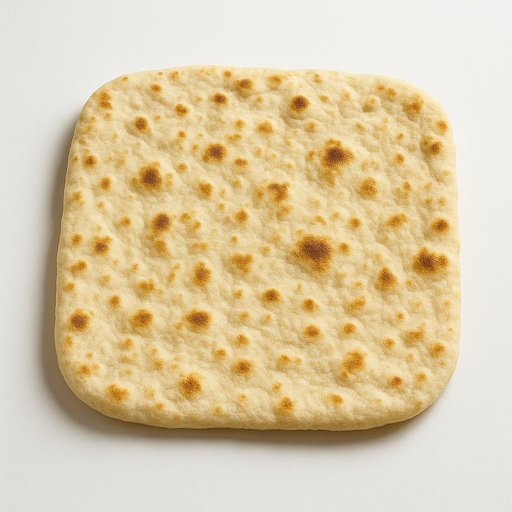
Flatbread Suppliers & Prices in United Arab Emirates — Market Overview 2026
Raw Materials
Cow Milk, Cow Milk Butter, Milk Powder, Olive Oil, +3
HS Code
190590
Last Updated
2026-09-27
Key takeaways for search and sourcing teams
- Latest reference year in this page dataset is 2024.
- Page data last updated on 2026-09-27.
Flatbread Export Supplier & Manufacturer Intelligence, Price Trends, and Trade Flows in United Arab Emirates
Use Supply Chain Intelligence company profiles and analytics to validate Flatbread exporter coverage, partner quality, and route priorities in United Arab Emirates.
Annual Export Value, Volume, and Supplier Market Size for Flatbread in United Arab Emirates (HS Code 190590)
Analyze 2 years of Flatbread export volume and value in United Arab Emirates to evaluate supplier market growth, seasonality, and trade volatility.
| Year | Volume | Value |
|---|---|---|
| 2023 | 55,433,577 | 222,873,096 USD |
| 2022 | 48,462,299 | 176,694,869 USD |
Sourcing diagnosis
Could you be importing Flatbread from United Arab Emirates yourself?
Just tell us your spec and the volume you need. We'll check whether it's actually sourceable, and which origins and suppliers fit.
Free diagnosis, no account required.
Flatbread Import Buyer Intelligence and Price Signals in United Arab Emirates: Buyers, Demand, and Trade Partners
7 import partner companies are tracked for Flatbread in United Arab Emirates. Exporters and importers can use Supply Chain Intelligence company profiles and analytics to analyze buyer demand, partner density, and downstream channels.
Scatter points are sampled from 3.5% of the full transaction dataset. Each point is a real transaction. Sign up to see them and ask AI whether each deal was fair.
Sample Import Transaction and Price Records for Flatbread in United Arab Emirates
5 sampled Flatbread import transactions in United Arab Emirates provide date, origin, and trade-country context to benchmark price levels and demand-side trading patterns.
Flatbread sampled import transaction unit prices by date in United Arab Emirates: 2026-07-25: 3.43 USD / kg, 2026-07-11: 3.23 USD / kg, 2026-07-10: 2.12 USD / kg, 2026-07-01: 3.21 USD / kg, 2026-07-01: 2.59 USD / kg.
| Date | Reported Product | Unit Price | Exporter | Importer | Origin | |
|---|---|---|---|---|---|---|
| 2026-07-25 | AAS******** ****** ****** **** ***************** *** ******* **** ** * **** ******** | 3.43 USD / kg | (-) | (-) | - | |
| 2026-07-11 | RIC* **** * *** ** *** *** ** ******* | 3.23 USD / kg | (-) | (-) | - | |
| 2026-07-10 | ASH*** ***** **** ******* * ** * *** **** ** **** **** **** ******* | 2.12 USD / kg | (-) | (-) | - | |
| 2026-07-01 | ASH*** ***** ** ******* * ** * *** ****** **** **** ********* ******* | 3.21 USD / kg | (-) | (-) | - | |
| 2026-07-01 | AAS******** ****** ****** **** ****** ******************** ******* **** ** ***** **** ***** | 2.59 USD / kg | (-) | (-) | - |
These 5 rows are a sample — join Tridge to see Flatbread transactions in United Arab Emirates
See the exporter, importer and price on the records you need, ask AI whether each deal was fair, and turn them into AI Curations.
Top Flatbread Buyers, Importers, and Demand Partners in United Arab Emirates
Review leading buyer profiles and compare them with 7 total import partner companies tracked for Flatbread in United Arab Emirates. Exporters and importers can use Supply Chain Intelligence company profiles and analytics to evaluate demand-side partner fit.
(United Arab Emirates)
Latest Import Transaction: 2026-06-11
Recently Import Partner Companies: 2
Employee Size: Over 1000 Employees
Sales Revenue: USD 10M - 50M
Industries: Food Manufacturing, Food Services And Drinking Places, Others
Value Chain Roles: Distribution / Wholesale, Food Manufacturing, Retail
(United Arab Emirates)
Latest Import Transaction: 2026-08-27
Industries: Beverage Manufacturing, Food Wholesalers, Others
Value Chain Roles: Distribution / Wholesale, Retail, Trade
(United Arab Emirates)
Latest Import Transaction: 2026-08-27
Industries: Food Manufacturing, Food Packaging, Food Wholesalers
Value Chain Roles: Distribution / Wholesale, Food Manufacturing, Retail
(United Arab Emirates)
Latest Import Transaction: 2026-08-27
Industries: Others
Value Chain Roles: Trade
(United Arab Emirates)
Latest Import Transaction: 2026-08-27
Industries: Others
Value Chain Roles: Trade
(United Arab Emirates)
Latest Import Transaction: 2026-08-27
Industries: Beverage Manufacturing, Food Manufacturing, Food Packaging, Food Services And Drinking Places, Food Wholesalers
Value Chain Roles: Distribution / Wholesale, Trade
See the full picture in Tridge Eye: full price and trade history · 725,009+ company profiles
United Arab Emirates Import Partner Coverage
7 companies
Import partner company count highlights demand-side visibility for Flatbread in United Arab Emirates.
Use Supply Chain Intelligence analytics and company profiles to identify active Flatbread importers, distributors, and buyer networks in United Arab Emirates.
Annual Import Value, Volume, and Demand Size for Flatbread in United Arab Emirates (HS Code 190590)
Track 2 years of Flatbread import volume and value in United Arab Emirates to assess demand growth and market momentum.
| Year | Volume | Value |
|---|---|---|
| 2023 | 98,836,672 | 415,430,392 USD |
| 2022 | 88,818,736 | 362,080,898 USD |
Export diagnosis
Your Flatbread — could it sell to these buyers in United Arab Emirates?
Just tell us what you make. We'll see whether you're ready to export today and which markets suit your offer.
Free diagnosis, no account required.
Price data
Which Flatbread prices in United Arab Emirates do you need?
We'll open up the full price history and competitor benchmarks. Just tell us which numbers you need and we'll walk you through them.
Classification
Product TypeProcessed Food
Product FormFresh
Industry PositionProcessed Bakery Product
Market
Flatbread (including Arabic khubz/pita-style breads) is a staple carbohydrate in the UAE and is consumed daily across household and foodservice channels. The market is characterized by high domestic throughput from industrial bakeries and in-store/restaurant baking, alongside a traded segment of packaged and frozen flatbreads for retail and catering. Because the UAE has very limited arable land, the upstream grain and flour inputs used in flatbread production are structurally import-dependent. Food market access is shaped by municipality-led food safety controls and product/label registration requirements before products can be handled in the UAE market.
Market RoleDomestic consumer market with substantial local baking; import-dependent for wheat/flour inputs
Domestic RoleStaple bread category supporting daily household consumption and high-volume foodservice demand
SeasonalityYear-round production and availability, with demand driven more by population, foodservice activity, and tourism cycles than by agricultural seasonality.
Specification
Primary VarietyArabic khubz (pita-style flatbread)
Secondary Variety
- Tandoor/naan-style flatbread
- Chapati/roti-style flatbread
- Thinner wrap-style flatbreads
Physical Attributes
- Softness and pliability (tear resistance)
- Uniform thickness and diameter
- Even browning/spotting without scorching
- Low defect rate (tears, holes, excessive dryness)
Compositional Metrics
- Moisture retention appropriate to the declared shelf life
- Salt level consistency for repeatable taste profile
Packaging
- Fresh: stacked flatbreads in perforated film or PE bags for rapid turnover
- Packaged ambient: sealed film packs with date marking and storage instructions
- Frozen: inner polybags with outer cartons for distribution to retail and foodservice
Supply Chain
Value Chain
- Flour procurement (often imported wheat-based inputs) → dough mixing → fermentation/proofing → dividing/sheeting → baking → cooling → packaging/date coding → distribution to retail and foodservice
- Imported packaged/frozen flatbread: origin manufacturing → sea freight (often reefer for frozen) → municipality import controls/registration checks → distributor/retailer handling
Temperature
- Fresh flatbread quality is sensitive to high ambient heat and humidity exposure during last-mile distribution.
- Frozen flatbread requires frozen-temperature integrity to avoid thaw/refreeze damage and condensation-driven mold risk after opening.
Atmosphere Control
- Pack sealing and ventilation balance affects condensation risk and staling rate in warm climates.
Shelf Life
- Fresh flatbread is typically short shelf-life and freshness-driven, pushing frequent production cycles and rapid distribution.
- Packaged and frozen variants extend shelf-life but increase dependence on correct date marking, storage instructions, and temperature discipline.
Freight IntensityHigh
Transport ModeSea
Risks
Regulatory Compliance HighNon-compliant prepackaged food labeling (e.g., Arabic/Arabic-English requirements, date marking, lot identification, and allergen declarations such as gluten) and/or missing product registration in applicable UAE systems can lead to import detention, rejection, or inability to place flatbread on the UAE market.Run a pre-shipment label and registration readiness check against the competent authority’s requirements (national ZAD registration where applicable and the relevant emirate-level food item/product registration and label assessment), and keep a controlled label artwork approval trail.
Logistics MediumFlatbread is freight-intensive and sensitive to delays and temperature abuse; fresh formats stale quickly and packaged formats can face condensation/mold risk if handled poorly in hot climates.For long-haul supply, prioritize frozen/ambient-stable SKUs with validated shelf-life and storage instructions, use appropriate packaging to control condensation, and plan for port-to-warehouse temperature discipline.
Labor And Social MediumBuyer and regulator scrutiny of migrant-worker conditions creates reputational and compliance risk for supply chains relying on low-wage labor in manufacturing, logistics, and contracted services.Implement ethical recruitment controls (no worker-paid fees), third-party audits focused on wage payment and passport retention, and grievance mechanisms for subcontracted labor.
Food Safety MediumMismanagement of allergens (especially gluten) and inaccurate ingredient declarations can trigger consumer risk and enforcement action for prepackaged flatbreads.Maintain validated allergen controls and ensure ingredient/allergen statements match formulation and supplier specifications; keep batch-level traceability for rapid withdrawals.
Sustainability
- Structural import dependence for grain/flour inputs due to limited arable land and water constraints, increasing exposure to global wheat price and supply shocks.
- Food waste risk from short shelf-life fresh bread in high-temperature distribution conditions.
Labor & Social
- Migrant-worker welfare and recruitment practices are a material ESG theme in the UAE’s private-sector labor force; importers and brand owners may face buyer scrutiny on ethical recruitment, wage practices, and worker living conditions.
- Risk of labor trafficking indicators (e.g., passport retention, contract switching, unpaid wages) in low-wage segments of the economy requires enhanced due diligence for third-party contractors and suppliers.
Standards
- HACCP-based food safety management systems
- ISO 22000 / FSSC 22000 (commonly requested for industrial bakery supply chains)
FAQ
Does packaged flatbread sold in the UAE need Arabic labeling and clear expiry/production date marking?Yes. UAE/GCC prepackaged food labeling requirements include Arabic or Arabic-English labeling elements and clear date marking and storage instructions. Importers commonly complete label assessment as part of the competent authority’s product/food item registration and market access checks.
Do imported or locally produced packaged flatbreads need to be registered before they can be handled in UAE markets?Yes. The UAE’s national food accreditation and registration framework indicates that food (imported or locally produced) must be registered in the electronic system (ZAD) before being handled in UAE markets, and municipalities also operate food item/product registration and import control systems for market placement.
Is halal certification required for flatbread in the UAE?It depends on the ingredients and the buyer/channel. Flatbread is usually plant-based, but halal requirements can become relevant if ingredients or processing aids are animal-derived. The UAE Halal National Mark is positioned as optional for products that want to demonstrate conformity with approved halal standards.
Other Flatbread Country Markets for Supplier, Manufacturer, Export, and Price Comparison from United Arab Emirates
Compare Flatbread supplier coverage, trade flows, and price benchmarks across countries related to United Arab Emirates.


Export & sourcing diagnosis
Flatbread in United Arab Emirates — are you buying, or selling?
Either way it's a few questions. We'll come back with where you could buy it, or who you could sell it to.
Free diagnosis, no account required.
Related Flatbread Product Categories
Browse parent, sub, derived, and raw-material product market pages related to Flatbread.
By clicking “Accept Cookies,” I agree to provide cookies for statistical and personalized preference purposes. To learn more about our cookies, please read our Privacy Policy.