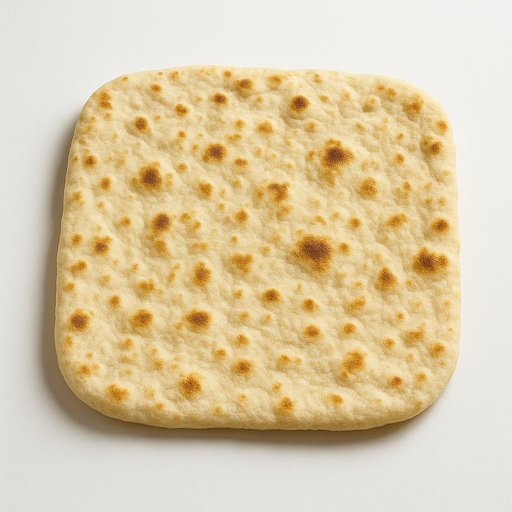
Flatbread Suppliers & Prices in Germany — Market Overview 2026
Raw Materials
Cow Milk, Cow Milk Butter, Milk Powder, Olive Oil, +3
HS Code
190590
Last Updated
2026-09-21
Key takeaways for search and sourcing teams
- 5 sampled export transactions for Germany are summarized.
- 68 export partner companies (including manufacturers) and 7 import partner companies are mapped for Flatbread in Germany.
- 5 export partner countries and 5 import partner countries are ranked.
- Latest reference year in this page dataset is 2024.
- Page data last updated on 2026-09-21.
Flatbread Export Supplier & Manufacturer Intelligence, Price Trends, and Trade Flows in Germany
68 export partner companies are tracked for Flatbread in Germany. Use Supply Chain Intelligence company profiles and analytics to validate exporter coverage, partner quality, and route priorities.
Explore Flatbread export intelligence in Germany, including 5 sampled supplier transactions, monthly unit-price ranges, and partner-country trade flow patterns for HS Code 190590.
Scatter points are sampled from 82.4% of the full transaction dataset.
Sample Export Supplier & Manufacturer Transaction Records for Flatbread in Germany
5 sampled Flatbread transactions in Germany include date, origin, and partner-country context to benchmark export prices and supplier trading patterns.
Flatbread sampled transaction unit prices by date in Germany: 2026-06-30: 2.84 USD / kg, 2026-05-28: 2.83 USD / kg, 2026-03-23: 2.72 USD / kg, 2025-11-23: 6.94 USD / kg, 2025-11-23: 2.36 USD / kg.
| Date | Reported Product | Unit Price | Exporter | Importer | |
|---|---|---|---|---|---|
| 2026-06-30 | [빵류* ***** **** ************** ***** ******* | 2.84 USD / kg | (Germany) | (South Korea) | |
| 2026-05-28 | [빵류* ***** **** ************** ***** ******* | 2.83 USD / kg | (Germany) | (South Korea) | |
| 2026-03-23 | [빵류* ***** **** ************** ***** ******* | 2.72 USD / kg | (Germany) | (South Korea) | |
| 2025-11-23 | THE ****** ******* ****** ********* **** **** ***** ***** **** ********* ***** ** | 6.94 USD / kg | (Germany) | (United States) | |
| 2025-11-23 | THE ****** ******* ****** ********* **** **** ***** ***** **** ********* ***** ** | 2.36 USD / kg | (Germany) | (United States) |
Top Flatbread Export Suppliers, Manufacturers, and Companies in Germany
Review leading exporter profiles and benchmark them against 68 total export partner companies tracked for Flatbread in Germany. Use Supply Chain Intelligence company profiles and analytics to shortlist sourcing and export partners faster.
(Germany)
Latest Export Transaction: 2026-08-21
Industries: Food Manufacturing
Value Chain Roles: Food Manufacturing
(Germany)
Latest Export Transaction: 2026-08-21
Industries: Food Manufacturing
Value Chain Roles: Food Manufacturing
(Germany)
Latest Export Transaction: 2026-08-21
Industries: Crop ProductionFood ManufacturingFood PackagingFood Services And Drinking PlacesOthers
Value Chain Roles: Distribution / WholesaleFarming / Production / Processing / PackingFood Manufacturing
(Germany)
Latest Export Transaction: 2026-08-21
Industries: Food ManufacturingOthers
Value Chain Roles: Food ManufacturingOthers
(Germany)
Latest Export Transaction: 2026-08-21
Industries: Food ManufacturingFood PackagingFood Wholesalers
Value Chain Roles: Distribution / WholesaleFood Manufacturing
(Germany)
Latest Export Transaction: 2026-08-21
Employee Size: 101 - 500 Employees
Industries: Food ManufacturingFood PackagingOthers
Value Chain Roles: Farming / Production / Processing / PackingFood Manufacturing
See the full picture in Tridge Eye: full price and trade history · 725,009+ company profiles
Germany Export Partner Coverage
68 companies
Total export partner company count is a core signal of Germany export network depth for Flatbread.
Exporters and importers can open Supply Chain Intelligence company profiles and analytics to assess Flatbread partner concentration, capacity signals, and trade relevance in Germany.
Annual Export Value, Volume, and Supplier Market Size for Flatbread in Germany (HS Code 190590)
Analyze 2 years of Flatbread export volume and value in Germany to evaluate supplier market growth, seasonality, and trade volatility.
| Year | Volume | Value |
|---|---|---|
| 2024 | 1,312,641,774 | 3,792,813,627 USD |
| 2023 | 1,212,017,873 | 3,798,116,640 USD |
Top Destination Markets for Flatbread Exports from Germany (HS Code 190590) in 2024
For 2024, compare export volume and value across the top 5 destination countries for Flatbread exports from Germany.
| Rank | Country | Volume | Value |
|---|---|---|---|
| 1 | Austria | 147,297,839 | 487,744,594.85 USD |
| 2 | United Kingdom | 93,394,073 | 358,975,121.769 USD |
| 3 | France | 110,819,909 | 284,069,043.731 USD |
| 4 | Italy | 100,209,527 | 257,084,644.023 USD |
| 5 | Netherlands | 131,316,507 | 251,942,070.453 USD |
Sourcing diagnosis
Could you be importing Flatbread from Germany yourself?
Just tell us your spec and the volume you need. We'll check whether it's actually sourceable, and which origins and suppliers fit.
Free diagnosis, no account required.
Flatbread Import Buyer Intelligence and Price Signals in Germany: Buyers, Demand, and Trade Partners
7 import partner companies are tracked for Flatbread in Germany. Exporters and importers can use Supply Chain Intelligence company profiles and analytics to analyze buyer demand, partner density, and downstream channels.
Scatter points are sampled from 14.5% of the full transaction dataset.
Sample Import Transaction and Price Records for Flatbread in Germany
5 sampled Flatbread import transactions in Germany provide date, origin, and trade-country context to benchmark price levels and demand-side trading patterns.
Flatbread sampled import transaction unit prices by date in Germany: 2026-07-29: 4.14 USD / kg, 2026-07-23: 1.79 USD / kg, 2026-07-20: 1.20 USD / kg, 2026-07-07: 1.30 USD / kg, 2026-07-04: 2.94 USD / kg.
| Date | Reported Product | Unit Price | Exporter | Importer | Origin | |
|---|---|---|---|---|---|---|
| 2026-07-29 | ASH*** ***** ** ******* * ** * *** ****** **** **** ******** **** | 4.14 USD / kg | (-) | (-) | - | |
| 2026-07-23 | MAS*** ********* *** | 1.79 USD / kg | (-) | (-) | - | |
| 2026-07-20 | ROZ** **** *********** ** **** ** ********* ******* * ** ************ ****** ***** *** ******************* | 1.20 USD / kg | (-) | (-) | - | |
| 2026-07-07 | FRO*** **** ***************** ** ************* ****************** *********************** ***** *** ******************* | 1.30 USD / kg | (-) | (-) | - | |
| 2026-07-04 | OTH*** ***** ******* ******** ******** ********* *** *** ******* *** *** *** | 2.94 USD / kg | (-) | (-) | - |
Top Flatbread Buyers, Importers, and Demand Partners in Germany
Review leading buyer profiles and compare them with 7 total import partner companies tracked for Flatbread in Germany. Exporters and importers can use Supply Chain Intelligence company profiles and analytics to evaluate demand-side partner fit.
(Germany)
Latest Import Transaction: 2026-08-21
Employee Size: Over 1000 Employees
Industries: Food ManufacturingOthers
Value Chain Roles: Food ManufacturingOthers
(Germany)
Latest Import Transaction: 2026-08-21
Employee Size: Over 1000 Employees
Sales Revenue: USD Over 1B
Industries: Beverage ManufacturingFood ManufacturingFood Services And Drinking Places
Value Chain Roles: Distribution / WholesaleFood ManufacturingRetailTrade
(Germany)
Latest Import Transaction: 2026-08-21
Employee Size: Over 1000 Employees
Sales Revenue: USD 500M - 1B
Industries: Food ManufacturingFood PackagingFood Services And Drinking Places
Value Chain Roles: Distribution / WholesaleFood ManufacturingTrade
(Germany)
Latest Import Transaction: 2026-08-21
Employee Size: Over 1000 Employees
Sales Revenue: USD Over 1B
Industries: Beverage ManufacturingFood ManufacturingOthers
Value Chain Roles: Food ManufacturingOthers
(Germany)
Latest Import Transaction: 2026-08-21
Industries: Food ManufacturingOthers
Value Chain Roles: Food ManufacturingOthers
(Germany)
Latest Import Transaction: 2026-08-21
Industries: Food ManufacturingFood Wholesalers
Value Chain Roles: Trade
See the full picture in Tridge Eye: full price and trade history · 725,009+ company profiles
Germany Import Partner Coverage
7 companies
Import partner company count highlights demand-side visibility for Flatbread in Germany.
Use Supply Chain Intelligence analytics and company profiles to identify active Flatbread importers, distributors, and buyer networks in Germany.
Annual Import Value, Volume, and Demand Size for Flatbread in Germany (HS Code 190590)
Track 3 years of Flatbread import volume and value in Germany to assess demand growth and market momentum.
| Year | Volume | Value |
|---|---|---|
| 2024 | 517,523,142 | 1,718,006,010 USD |
| 2023 | 786,954,817 | 2,622,414,368 USD |
| 2022 | 745,835,724 | 2,127,518,272 USD |
Top Origin Supplier Countries Supplying Flatbread to Germany (HS Code 190590) in 2024
For 2024, compare import volume and value across the top 5 origin supplier countries supplying Flatbread to Germany.
| Rank | Country | Volume | Value |
|---|---|---|---|
| 1 | Poland | 154,967,574 | 468,185,132.434 USD |
| 2 | France | 130,158,490 | 441,567,923.803 USD |
| 3 | Italy | 97,740,300.659 | 426,792,901.24 USD |
| 4 | Netherlands | 75,390,177.326 | 183,057,346.35 USD |
| 5 | Belgium | 50,686,215 | 170,826,831.397 USD |
Export diagnosis
Your Flatbread — could it sell to these buyers in Germany?
Just tell us what you make. We'll see whether you're ready to export today and which markets suit your offer.
Free diagnosis, no account required.
Price data
Which Flatbread prices in Germany do you need?
We'll open up the full price history and competitor benchmarks. Just tell us which numbers you need and we'll walk you through them.
Classification
Product TypeProcessed Food
Product FormBaked (Ambient / Chilled / Frozen)
Industry PositionManufactured Food Product
Market
Flatbread in Germany is a mainstream bakery category supplied through a mix of in-country baking (artisan and industrial) and imported packaged or frozen products, often serving both household consumption and foodservice. Demand is strongly linked to Germany’s large bakery retail footprint (supermarkets, discounters, and bakeries) and to foodservice formats that use flatbread as wraps or sides. Packaged flatbread competes on shelf-life, consistency, and price, while bakery-fresh and ethnic-bakery products compete on freshness and authenticity. Market access is shaped by EU/German food law (labeling/allergens, hygiene, additives/contaminants) and by German packaging producer-responsibility obligations for packaged goods placed on the market.
Market RoleLarge domestic consumer market with significant local manufacturing; supplemented by intra-EU and third-country imports of packaged and frozen flatbreads
Domestic RoleWidely consumed bakery staple and foodservice input product (wraps, pitas, flatbreads) sold across modern retail, bakeries, and ethnic channels
SeasonalityYear-round availability driven by continuous bakery and industrial production, with ambient and frozen formats supporting steady supply.
Specification
Secondary Variety
- Pita-style flatbread
- Lavash / yufka-style wraps (döner/dürüm wraps)
- Naan-style flatbread
Physical Attributes
- Soft, flexible sheet with low cracking/tearing for wrap applications
- Uniform diameter/shape and consistent thickness for portion control
- Controlled surface browning and absence of scorching
Compositional Metrics
- Moisture and water activity targets aligned to chosen format (ambient shelf-life vs frozen) and mold-control strategy
- Salt level and leavening profile aligned to label claims and buyer specifications
Packaging
- Sealed consumer packs with on-pack allergen and ingredient labeling in German
- Modified-atmosphere packaging (MAP) used for some ambient products to manage mold/shelf-life
- Frozen bulk packs for foodservice and wholesale distribution
Supply Chain
Value Chain
- Ingredient procurement (flour, yeast/leavening, salt, oils) → mixing and dough development → dividing/sheeting → proofing (if yeast-leavened) → baking → cooling → (optional slicing/stacking) → packaging (MAP) or freezing → warehousing → retail/wholesale distribution
Temperature
- Ambient distribution for shelf-stable packaged flatbread with strict mold-control and packaging discipline
- Frozen distribution common for longer-distance and foodservice supply, requiring continuous cold-chain management
Atmosphere Control
- MAP is used in some packaged flatbreads to extend shelf-life; gas mix and seal integrity materially affect mold risk and texture
Shelf Life
- Shelf-life is highly sensitive to post-bake cooling, packaging seal integrity, and mold-control strategy in ambient products
- Frozen formats reduce spoilage risk but increase energy and freight-cost exposure
Freight IntensityHigh
Transport ModeMultimodal
Risks
Regulatory Compliance HighNon-compliant consumer labeling in Germany/EU (especially undeclared allergens such as gluten-containing cereals and sesame, incorrect ingredient listing, or missing mandatory particulars) can trigger rapid withdrawal/recall and delisting by German retailers and foodservice buyers, effectively blocking market access for the shipment or product line.Run a pre-market label compliance review against EU food information requirements, implement robust allergen management and verification (supplier allergen statements + internal cross-contamination controls), and validate German-language artwork before production.
Food Safety MediumBaked cereal products can face regulatory and buyer scrutiny for process contaminants (notably acrylamide) where manufacturing controls are weak or documentation is insufficient.Implement an acrylamide mitigation plan (time/temperature control, recipe optimization, monitoring) and keep audit-ready evidence aligned with EU mitigation requirements and German risk-assessment guidance.
Logistics MediumFrozen flatbread programs are exposed to cold-chain disruptions and freight-cost volatility; breaks in temperature control can cause quality deterioration (freezer burn, texture damage) and claims/rejections.Use validated frozen packing and temperature monitoring, contract stable cold-chain lanes, and build contingency inventory for high-turn foodservice SKUs.
Regulatory Compliance MediumPackaged flatbread placed on the German market can be blocked by commercial partners if packaging producer-responsibility obligations are not met (registration, system participation, reporting), creating a practical barrier to sales even when product labeling is compliant.Clarify who is the ‘first placer on the market’ in Germany, complete required registration and system participation steps before first sale, and align packaging data reporting with German requirements.
Commodity Price MediumWheat/flour and energy price volatility in Europe can rapidly shift production costs for baked goods, affecting pricing commitments to German retailers and foodservice buyers.Use indexed pricing clauses where possible, diversify flour suppliers, and review hedging/forward-buying options for key inputs and energy exposure.
Sustainability
- Energy intensity of baking and frozen cold-chain footprint (especially relevant under volatile European energy prices)
- Packaging waste compliance and recycling participation requirements for packaged goods placed on the German market
- Supplier due diligence expectations for larger German/EU buyers (risk screening and documentation in upstream ingredient supply chains)
Labor & Social
- Workforce and working-conditions scrutiny in food manufacturing and foodservice supply chains (overtime, subcontracting, and migrant labor risks in some operations); retailer audits and supplier code-of-conduct adherence can be gating factors
Standards
- IFS Food
- BRCGS Food Safety
- ISO 22000 / FSSC 22000
FAQ
What are the key labeling compliance points for selling packaged flatbread in Germany?Germany applies EU food information rules, so packaged flatbread typically must have a compliant German-language label with a full ingredient list and clear allergen disclosure (including gluten-containing cereals and any other allergens present). If labeling is incomplete or allergens are not correctly declared, products can be withdrawn/recall-triggered and retailers may delist the SKU.
Are food-safety certifications commonly expected by German retail buyers for flatbread suppliers?In Germany’s modern retail supply chain, buyers often expect audit-ready food-safety systems and commonly recognize schemes such as IFS Food or BRCGS (or equivalent) as part of supplier onboarding. Exact requirements depend on the retailer and whether the product is private label or branded.
What packaging compliance issue can block packaged flatbread sales in Germany even if the food label is correct?For packaged goods placed on the German market, packaging producer-responsibility obligations can be a gating item for listings. If the responsible party has not completed the required registration/system participation steps under Germany’s packaging framework, retailers and distributors may refuse to list or accept the product.
Sources
Other Flatbread Country Markets for Supplier, Manufacturer, Export, and Price Comparison from Germany
Compare Flatbread supplier coverage, trade flows, and price benchmarks across countries related to Germany.


Export & sourcing diagnosis
Flatbread in Germany — are you buying, or selling?
Either way it's a few questions. We'll come back with where you could buy it, or who you could sell it to.
Free diagnosis, no account required.
Related Flatbread Product Categories
Browse parent, sub, derived, and raw-material product market pages related to Flatbread.
By clicking “Accept Cookies,” I agree to provide cookies for statistical and personalized preference purposes. To learn more about our cookies, please read our Privacy Policy.