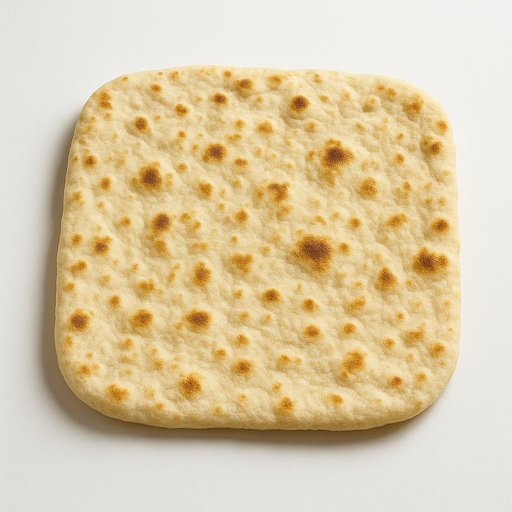
Flatbread Suppliers & Prices in Netherlands — Market Overview 2026
Raw Materials
Cow Milk, Cow Milk Butter, Milk Powder, Olive Oil, +3
HS Code
190590
Last Updated
2026-09-21
Key takeaways for search and sourcing teams
- 2 sampled export transactions for Netherlands are summarized.
- 36 export partner companies (including manufacturers) and 1 import partner companies are mapped for Flatbread in Netherlands.
- 5 export partner countries and 5 import partner countries are ranked.
- Latest reference year in this page dataset is 2024.
- Page data last updated on 2026-09-21.
Flatbread Export Supplier & Manufacturer Intelligence, Price Trends, and Trade Flows in Netherlands
36 export partner companies are tracked for Flatbread in Netherlands. Use Supply Chain Intelligence company profiles and analytics to validate exporter coverage, partner quality, and route priorities.
Explore Flatbread export intelligence in Netherlands, including 2 sampled supplier transactions, monthly unit-price ranges, and partner-country trade flow patterns for HS Code 190590.
Scatter points are sampled from 100.0% of the full transaction dataset. Each point is a real transaction. Sign up to see them and ask AI whether each deal was fair.
Sample Export Supplier & Manufacturer Transaction Records for Flatbread in Netherlands
2 sampled Flatbread transactions in Netherlands include date, origin, and partner-country context to benchmark export prices and supplier trading patterns.
Flatbread sampled transaction unit prices by date in Netherlands: 2025-12-22: 2.55 USD / kg, 2025-11-02: 3.21 USD / kg.
| Date | Reported Product | Unit Price | Exporter | Importer | |
|---|---|---|---|---|---|
| 2025-12-22 | [빵류* **** ** ************* ***** *** | 2.55 USD / kg | (Netherlands) | (South Korea) | |
| 2025-11-02 | FRO********************** ********** ****** ****** ******************** ************** ** ****** ***** ***** ****** *** ***** ********* *** *********** ** * ****** ********* ****** ******** ** ***** ******* ******* ******* *** *********** *** *** ** * * *** ******** ******** ** *** ****** **** | 3.21 USD / kg | (Netherlands) | (United States) |
These 2 rows are a sample — join Tridge to see Flatbread transactions in Netherlands
See the exporter, importer and price on the records you need, ask AI whether each deal was fair, and turn them into AI Curations.
Top Flatbread Export Suppliers, Manufacturers, and Companies in Netherlands
Review leading exporter profiles and benchmark them against 36 total export partner companies tracked for Flatbread in Netherlands. Use Supply Chain Intelligence company profiles and analytics to shortlist sourcing and export partners faster.
(Netherlands)
Latest Export Transaction: 2026-08-21
Industries: Food Manufacturing, Food Wholesalers, Others
Value Chain Roles: Distribution / Wholesale, Food Manufacturing, Others
(Netherlands)
Latest Export Transaction: 2026-08-21
Industries: Others
Value Chain Roles: Distribution / Wholesale
(Netherlands)
Latest Export Transaction: 2026-08-21
Industries: Food Manufacturing, Food Packaging, Food Wholesalers, Others
Value Chain Roles: Distribution / Wholesale, Food Manufacturing
(Netherlands)
Latest Export Transaction: 2026-08-21
Industries: Food Manufacturing, Food Wholesalers, Others
Value Chain Roles: Distribution / Wholesale, Food Manufacturing
(Netherlands)
Latest Export Transaction: 2026-08-21
Employee Size: 1 - 10 Employees
Industries: Beverage Manufacturing, Food Manufacturing, Food Packaging
Value Chain Roles: Food Manufacturing, Trade
(Netherlands)
Latest Export Transaction: 2026-08-21
Employee Size: 11 - 50 Employees
Industries: Others
Value Chain Roles: Distribution / Wholesale
See the full picture in Tridge Eye: full price and trade history · 725,009+ company profiles
Netherlands Export Partner Coverage
36 companies
Total export partner company count is a core signal of Netherlands export network depth for Flatbread.
Exporters and importers can open Supply Chain Intelligence company profiles and analytics to assess Flatbread partner concentration, capacity signals, and trade relevance in Netherlands.
Annual Export Value, Volume, and Supplier Market Size for Flatbread in Netherlands (HS Code 190590)
Analyze 3 years of Flatbread export volume and value in Netherlands to evaluate supplier market growth, seasonality, and trade volatility.
| Year | Volume | Value |
|---|---|---|
| 2024 | 450,571,845 | 1,608,082,996 USD |
| 2023 | 464,861,627 | 1,567,241,094 USD |
| 2022 | 460,562,176 | 1,359,253,348 USD |
Top Destination Markets for Flatbread Exports from Netherlands (HS Code 190590) in 2024
For 2024, compare export volume and value across the top 5 destination countries for Flatbread exports from Netherlands.
| Rank | Country | Volume | Value |
|---|---|---|---|
| 1 | Germany | 111,808,938 | 383,847,747.41 USD |
| 2 | Belgium | 145,136,851 | 376,808,271.777 USD |
| 3 | United Kingdom | 38,208,727 | 160,130,842.941 USD |
| 4 | France | 28,856,776 | 138,573,205.534 USD |
| 5 | Spain | 14,028,727 | 51,121,094.309 USD |
Sourcing diagnosis
Could you be importing Flatbread from Netherlands yourself?
Just tell us your spec and the volume you need. We'll check whether it's actually sourceable, and which origins and suppliers fit.
Free diagnosis, no account required.
Flatbread Import Buyer Intelligence and Price Signals in Netherlands: Buyers, Demand, and Trade Partners
1 import partner companies are tracked for Flatbread in Netherlands. Exporters and importers can use Supply Chain Intelligence company profiles and analytics to analyze buyer demand, partner density, and downstream channels.
Scatter points are sampled from 8.5% of the full transaction dataset. Each point is a real transaction. Sign up to see them and ask AI whether each deal was fair.
Sample Import Transaction and Price Records for Flatbread in Netherlands
5 sampled Flatbread import transactions in Netherlands provide date, origin, and trade-country context to benchmark price levels and demand-side trading patterns.
Flatbread sampled import transaction unit prices by date in Netherlands: 2026-07-30: 2.39 USD / kg, 2026-07-30: 3.10 USD / kg, 2026-07-27: 2.60 USD / kg, 2026-07-25: 2.22 USD / kg, 2026-07-17: 4.55 USD / kg.
| Date | Reported Product | Unit Price | Exporter | Importer | Origin | |
|---|---|---|---|---|---|---|
| 2026-07-30 | OTH*** ***** ******* ******** ******** ********* **** ******* *** *** | 2.39 USD / kg | (-) | (-) | - | |
| 2026-07-30 | OTH*** ***** ******* ******** ******** ********* **** ***** ******* *** *** | 3.10 USD / kg | (-) | (-) | - | |
| 2026-07-27 | OTH*** ***** ******* ******** ******** ********* **** ***** ******* *** *** | 2.60 USD / kg | (-) | (-) | - | |
| 2026-07-25 | OTH*** ***** ******* ******** ******** ********* **** ******* *** *** | 2.22 USD / kg | (-) | (-) | - | |
| 2026-07-17 | 120 ******* * ** * *** **** ** **** ******** ****** ******* ***** *********** ******** ******* ** ******** ***** | 4.55 USD / kg | (-) | (-) | - |
These 5 rows are a sample — join Tridge to see Flatbread transactions in Netherlands
See the exporter, importer and price on the records you need, ask AI whether each deal was fair, and turn them into AI Curations.
Top Flatbread Buyers, Importers, and Demand Partners in Netherlands
Review leading buyer profiles and compare them with 1 total import partner companies tracked for Flatbread in Netherlands. Exporters and importers can use Supply Chain Intelligence company profiles and analytics to evaluate demand-side partner fit.
(Netherlands)
Latest Import Transaction: 2026-08-21
Industries: Beverage Manufacturing, Food Manufacturing, Food Wholesalers
Value Chain Roles: Distribution / Wholesale, Food Manufacturing, Trade
See the full picture in Tridge Eye: full price and trade history · 725,009+ company profiles
Netherlands Import Partner Coverage
1 companies
Import partner company count highlights demand-side visibility for Flatbread in Netherlands.
Use Supply Chain Intelligence analytics and company profiles to identify active Flatbread importers, distributors, and buyer networks in Netherlands.
Annual Import Value, Volume, and Demand Size for Flatbread in Netherlands (HS Code 190590)
Track 3 years of Flatbread import volume and value in Netherlands to assess demand growth and market momentum.
| Year | Volume | Value |
|---|---|---|
| 2024 | 662,926,835 | 1,525,531,914 USD |
| 2023 | 586,097,636 | 1,405,501,917 USD |
| 2022 | 614,703,832 | 1,224,715,960 USD |
Top Origin Supplier Countries Supplying Flatbread to Netherlands (HS Code 190590) in 2024
For 2024, compare import volume and value across the top 5 origin supplier countries supplying Flatbread to Netherlands.
| Rank | Country | Volume | Value |
|---|---|---|---|
| 1 | Germany | 308,606,703 | 441,968,729.287 USD |
| 2 | Belgium | 146,621,500 | 404,060,409.116 USD |
| 3 | France | 56,057,731 | 137,076,344.795 USD |
| 4 | Italy | 18,357,421 | 96,843,106.032 USD |
| 5 | United Kingdom | 16,189,971 | 68,005,065.926 USD |
Export diagnosis
Your Flatbread — could it sell to these buyers in Netherlands?
Just tell us what you make. We'll see whether you're ready to export today and which markets suit your offer.
Free diagnosis, no account required.
Price data
Which Flatbread prices in Netherlands do you need?
We'll open up the full price history and competitor benchmarks. Just tell us which numbers you need and we'll walk you through them.
Classification
Product TypeProcessed Food
Product FormBaked
Industry PositionConsumer Bakery Product
Market
Flatbread in the Netherlands is a processed bakery product sold through supermarkets, discounters, foodservice, ethnic grocery, and bakery channels. The market is primarily a domestic consumption market with local industrial supply and some imports from within the EU. Compliance is driven by EU and Dutch food-information rules because wheat gluten is inherent and sesame, milk, or egg can appear in recipe variants. Shelf life, packaging integrity, and fast road distribution matter because the product is bulky and degrades quickly when moisture control slips.
Market RoleDomestic consumer market with local production and imports
Domestic RoleRetail and foodservice bakery staple
Specification
Primary VarietyWheat flatbread
Secondary Variety
- Pita
- Naan
- Lavash
- Tortilla-style wrap
Physical Attributes
- Thin and pliable
- Soft bite and flexible foldability
- Light browning or blistering on the surface
- Low moisture loss at pack opening is valued
Compositional Metrics
- Wheat flour is usually the main base
- Moisture and water activity drive freshness
- Salt and fat levels influence softness and shelf life
- Sesame or other inclusions must be declared when used
Grades
- Retail private-label specification
- Foodservice specification
- Fresh or chilled line
- Frozen extended-life line
Packaging
- Flow-wrap packs
- Sealed retail bags
- Foodservice cartons
- Frozen retail packs
Supply Chain
Value Chain
- Ingredient sourcing -> dough mixing -> dividing and sheeting -> baking -> cooling -> packing -> warehouse dispatch -> retail and foodservice delivery
Temperature
- Ambient handling is common for shelf-stable packs
- Chilled or frozen handling may be used for extended-life lines
- Heat and humidity during distribution speed staling
Atmosphere Control
- Moisture-barrier film is important
- Low-humidity storage reduces texture loss
- Modified-atmosphere packaging may be used on some retail lines
Shelf Life
- Fresh flatbread has a short shelf life and stales quickly
- Sealed packs last longer, but moisture ingress and condensation still hurt quality
- Frozen formats extend shelf life but add handling cost
Freight IntensityHigh
Transport ModeLand
Risks
Regulatory Compliance HighFlatbread commonly contains wheat gluten and may also contain sesame, milk, or egg; any ingredient or allergen labeling error can trigger withdrawal or sale blockage under Dutch and EU food-information rules.Lock the final formula to the label, verify the allergen matrix and Dutch-language text before release, and re-approve labels whenever recipe or supplier inputs change.
Food Safety MediumBaked flatbread is vulnerable to staling, condensation, and mold if packaging integrity or stock rotation is weak.Use moisture-barrier packaging, tight shelf-life control, and fast rotation at warehouse and store level.
Logistics MediumThe product is bulky and relatively low value, so road-delivery delays and warehouse dwell times quickly erode margin and remaining shelf life.Keep lead times short, use nearby production where possible, and avoid unnecessary cross-dock handling.
Market Volatility MediumWheat flour, energy, and packaging costs can move quickly in a mature Dutch bakery market.Use indexed pricing where possible and hedge or diversify key inputs when contracts are long dated.
Sustainability LowRetail buyers increasingly scrutinize baking energy use and plastic packaging, which can affect listings for private-label and premium lines.Improve oven efficiency, reduce packaging weight, and document recyclable or lower-impact pack choices.
Sustainability
- Energy-intensive baking
- Packaging circularity pressure
- Wheat sourcing exposure to climate and price swings
Labor & Social
- Worker safety around heat and machinery
- Shift-work and staffing pressure in bakeries
- Employment terms in artisan and industrial bakeries
Standards
- BRCGS Food Safety
- IFS Food
- FSSC 22000
FAQ
What is the main compliance risk for flatbread sold in the Netherlands?Getting the ingredient and allergen label wrong is the biggest risk. Dutch authorities expect allergens such as wheat to be clearly declared, and unpackaged products still need allergen information.
Can unpackaged flatbread be sold without written allergen information?No. Bakers and other sellers still have to make allergen information available, either in writing or orally, before the consumer buys the product.
Which food-safety standards are commonly used by flatbread suppliers?BRCGS Food Safety, IFS Food, and FSSC 22000 are common assurance schemes in the bakery and wider food-manufacturing sector.
Why does logistics matter so much for flatbread?Flatbread is bulky and loses quality quickly if moisture control or delivery timing slips, so road distribution and tight stock rotation matter.
Sources
Other Flatbread Country Markets for Supplier, Manufacturer, Export, and Price Comparison from Netherlands
Compare Flatbread supplier coverage, trade flows, and price benchmarks across countries related to Netherlands.


Export & sourcing diagnosis
Flatbread in Netherlands — are you buying, or selling?
Either way it's a few questions. We'll come back with where you could buy it, or who you could sell it to.
Free diagnosis, no account required.
Related Flatbread Product Categories
Browse parent, sub, derived, and raw-material product market pages related to Flatbread.
By clicking “Accept Cookies,” I agree to provide cookies for statistical and personalized preference purposes. To learn more about our cookies, please read our Privacy Policy.