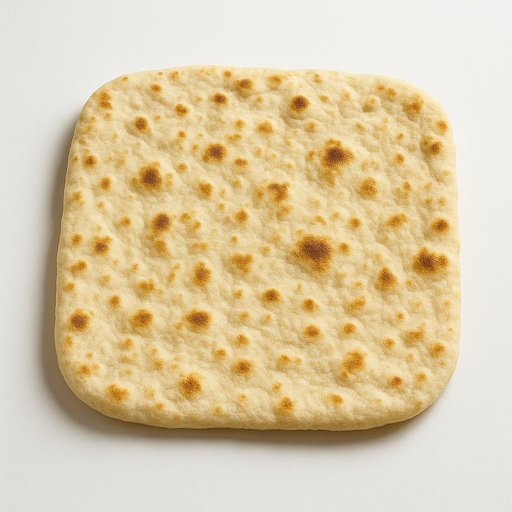
아랍에미리트 플랫브레드 공급업체 및 가격 — 마켓 오버뷰 2026
원재료
우유, 우유 버터, 분유, 올리브 기름, +3
HS 코드
190590
최종 업데이트
2026-09-27
서치 및 소싱 팀을 위한 핵심 요약
- 이 페이지 데이터셋의 최신 기준 연도는 2024입니다.
- 페이지 데이터 최종 업데이트일: 2026-09-27.
아랍에미리트의 플랫브레드 수출 공급업체·제조사 인텔리전스, 가격 동향, 무역 흐름
Supply Chain Intelligence 기업 프로필 및 분석으로 아랍에미리트의 플랫브레드 수출업체 커버리지, 파트너 품질, 경로 우선순위를 검증하세요.
아랍에미리트 내 플랫브레드의 연간 수출 금액, 물량 및 공급업체 시장 규모 (HS 코드 190590)
아랍에미리트의 플랫브레드 수출 물량/금액 2년치를 분석해 공급 측 시장 성장, 계절성, 무역 변동성을 평가하세요.
| 연도 | 물량 | 금액 |
|---|---|---|
| 2023 | 55,433,577 | 222,873,096 USD |
| 2022 | 48,462,299 | 176,694,869 USD |
소싱 진단
아랍에미리트산 플랫브레드, 우리도 들여올 수 있을까요?
필요한 스펙과 물량만 알려주세요. 실제로 소싱이 되는지, 어떤 원산지와 공급사가 맞는지 짚어드려요.
무료 진단, 계정 없이 이용 가능합니다.
아랍에미리트의 플랫브레드 수입 바이어 인텔리전스 및 가격 시그널: 바이어, 수요, 거래 파트너
아랍에미리트의 플랫브레드에 대해 수입 파트너 기업 7개가 추적됩니다. 수출업체와 수입업체는 Supply Chain Intelligence 회사 프로필 및 분석을 활용해 바이어 수요, 파트너 밀도, 다운스트림 채널을 분석할 수 있습니다.
스캐터 포인트는 전체 거래 데이터셋의 3.5%에서 샘플링되었습니다. 각 점은 실제 거래입니다. 가입하고 확인해 보세요 — 적정한 거래였는지 AI에게 물어볼 수도 있습니다.
플랫브레드의 아랍에미리트 샘플 수입 거래 및 가격 기록
아랍에미리트의 플랫브레드 샘플 수입 거래 5건은 가격 수준과 수요 측 거래 패턴 벤치마킹을 위한 날짜, 원산지, 무역 국가 맥락을 제공합니다.
아랍에미리트의 플랫브레드 샘플 수입 거래 단가(일자별): 2026-07-25: 3.43 USD / kg, 2026-07-11: 3.23 USD / kg, 2026-07-10: 2.12 USD / kg, 2026-07-01: 3.21 USD / kg, 2026-07-01: 2.59 USD / kg.
| 일자 | 신고 품목 | 단가 | 수출업체 | 수입업체 | 원산지 | |
|---|---|---|---|---|---|---|
| 2026-07-25 | AAS******** ****** ****** **** ***************** *** ******* **** ** * **** ******** | 3.43 USD / kg | (-) | (-) | - | |
| 2026-07-11 | RIC* **** * *** ** *** *** ** ******* | 3.23 USD / kg | (-) | (-) | - | |
| 2026-07-10 | ASH*** ***** **** ******* * ** * *** **** ** **** **** **** ******* | 2.12 USD / kg | (-) | (-) | - | |
| 2026-07-01 | ASH*** ***** ** ******* * ** * *** ****** **** **** ********* ******* | 3.21 USD / kg | (-) | (-) | - | |
| 2026-07-01 | AAS******** ****** ****** **** ****** ******************** ******* **** ** ***** **** ***** | 2.59 USD / kg | (-) | (-) | - |
이 5건은 샘플입니다 — 트릿지에 가입하고 아랍에미리트 플랫브레드 거래를 확인하세요
필요한 거래의 수출·수입업체와 가격을 확인하고, 적정한 거래였는지 AI에게 묻고, AI Curation으로 만들어 보세요.
아랍에미리트 내 상위 플랫브레드 바이어, 수입업체 및 수요 파트너
선도 바이어 프로필을 검토하고 아랍에미리트의 플랫브레드에 대해 추적되는 전체 수입 파트너 기업 7개와 비교하세요. 수출업체와 수입업체는 Supply Chain Intelligence 회사 프로필 및 분석으로 수요 측 파트너 적합도를 평가할 수 있습니다.
(아랍에미리트)
최근 수입 거래: 2026-06-11
최근 수입 파트너 기업: 2
임직원 규모: 직원 1000명 초과
매출액: 매출 USD 10M - 50M
산업군: 식품 제조, 식음료 서비스업, 기타
밸류체인 역할: 유통 / 도매, 식품 제조, 소매
(아랍에미리트)
최근 수입 거래: 2026-08-27
산업군: 음료 제조, 식품 도매, 기타
밸류체인 역할: 유통 / 도매, 소매, 무역
(아랍에미리트)
최근 수입 거래: 2026-08-27
산업군: 식품 제조, 식품 포장, 식품 도매
밸류체인 역할: 유통 / 도매, 식품 제조, 소매
(아랍에미리트)
최근 수입 거래: 2026-08-27
산업군: 기타
밸류체인 역할: 무역
(아랍에미리트)
최근 수입 거래: 2026-08-27
산업군: 기타
밸류체인 역할: 무역
(아랍에미리트)
최근 수입 거래: 2026-08-27
산업군: 음료 제조, 식품 제조, 식품 포장, 식음료 서비스업, 식품 도매
밸류체인 역할: 유통 / 도매, 무역
트릿지 아이에서 전체 그림 보기: 가격·거래 전체 이력 · 725,009+ 기업 프로필
아랍에미리트 수입 파트너 커버리지
7개 기업
수입 파트너 기업 수는 아랍에미리트의 플랫브레드 수요 측 가시성을 보여줍니다.
공급망 인텔리전스 분석과 기업 프로필을 활용해 아랍에미리트에서 활동 중인 플랫브레드 수입업체, 유통업체, 바이어 네트워크를 식별하세요.
아랍에미리트 내 플랫브레드의 연간 수입 금액, 물량 및 수요 규모 (HS 코드 190590)
아랍에미리트의 플랫브레드 수입 물량/금액 2년치를 추적해 수요 성장과 시장 모멘텀을 평가하세요.
| 연도 | 물량 | 금액 |
|---|---|---|
| 2023 | 98,836,672 | 415,430,392 USD |
| 2022 | 88,818,736 | 362,080,898 USD |
수출 진단
우리 플랫브레드, 이 아랍에미리트 바이어들에게 팔 수 있을까요?
만드시는 제품만 알려주시면 됩니다. 지금 수출할 준비가 됐는지, 어느 시장이 맞는지 봐드려요.
무료 진단, 계정 없이 이용 가능합니다.
가격 데이터
아랍에미리트 플랫브레드 가격, 어디까지 필요하세요?
전체 가격 히스토리와 경쟁사 벤치마크를 열어드립니다. 어떤 숫자가 필요하신지만 말씀해 주시면 함께 살펴봐 드려요.
Classification
Product TypeProcessed Food
Product FormFresh
Industry PositionProcessed Bakery Product
Market
Flatbread (including Arabic khubz/pita-style breads) is a staple carbohydrate in the UAE and is consumed daily across household and foodservice channels. The market is characterized by high domestic throughput from industrial bakeries and in-store/restaurant baking, alongside a traded segment of packaged and frozen flatbreads for retail and catering. Because the UAE has very limited arable land, the upstream grain and flour inputs used in flatbread production are structurally import-dependent. Food market access is shaped by municipality-led food safety controls and product/label registration requirements before products can be handled in the UAE market.
Market RoleDomestic consumer market with substantial local baking; import-dependent for wheat/flour inputs
Domestic RoleStaple bread category supporting daily household consumption and high-volume foodservice demand
SeasonalityYear-round production and availability, with demand driven more by population, foodservice activity, and tourism cycles than by agricultural seasonality.
Specification
Primary VarietyArabic khubz (pita-style flatbread)
Secondary Variety
- Tandoor/naan-style flatbread
- Chapati/roti-style flatbread
- Thinner wrap-style flatbreads
Physical Attributes
- Softness and pliability (tear resistance)
- Uniform thickness and diameter
- Even browning/spotting without scorching
- Low defect rate (tears, holes, excessive dryness)
Compositional Metrics
- Moisture retention appropriate to the declared shelf life
- Salt level consistency for repeatable taste profile
Packaging
- Fresh: stacked flatbreads in perforated film or PE bags for rapid turnover
- Packaged ambient: sealed film packs with date marking and storage instructions
- Frozen: inner polybags with outer cartons for distribution to retail and foodservice
Supply Chain
Value Chain
- Flour procurement (often imported wheat-based inputs) → dough mixing → fermentation/proofing → dividing/sheeting → baking → cooling → packaging/date coding → distribution to retail and foodservice
- Imported packaged/frozen flatbread: origin manufacturing → sea freight (often reefer for frozen) → municipality import controls/registration checks → distributor/retailer handling
Temperature
- Fresh flatbread quality is sensitive to high ambient heat and humidity exposure during last-mile distribution.
- Frozen flatbread requires frozen-temperature integrity to avoid thaw/refreeze damage and condensation-driven mold risk after opening.
Atmosphere Control
- Pack sealing and ventilation balance affects condensation risk and staling rate in warm climates.
Shelf Life
- Fresh flatbread is typically short shelf-life and freshness-driven, pushing frequent production cycles and rapid distribution.
- Packaged and frozen variants extend shelf-life but increase dependence on correct date marking, storage instructions, and temperature discipline.
Freight IntensityHigh
Transport ModeSea
Risks
Regulatory Compliance HighNon-compliant prepackaged food labeling (e.g., Arabic/Arabic-English requirements, date marking, lot identification, and allergen declarations such as gluten) and/or missing product registration in applicable UAE systems can lead to import detention, rejection, or inability to place flatbread on the UAE market.Run a pre-shipment label and registration readiness check against the competent authority’s requirements (national ZAD registration where applicable and the relevant emirate-level food item/product registration and label assessment), and keep a controlled label artwork approval trail.
Logistics MediumFlatbread is freight-intensive and sensitive to delays and temperature abuse; fresh formats stale quickly and packaged formats can face condensation/mold risk if handled poorly in hot climates.For long-haul supply, prioritize frozen/ambient-stable SKUs with validated shelf-life and storage instructions, use appropriate packaging to control condensation, and plan for port-to-warehouse temperature discipline.
Labor And Social MediumBuyer and regulator scrutiny of migrant-worker conditions creates reputational and compliance risk for supply chains relying on low-wage labor in manufacturing, logistics, and contracted services.Implement ethical recruitment controls (no worker-paid fees), third-party audits focused on wage payment and passport retention, and grievance mechanisms for subcontracted labor.
Food Safety MediumMismanagement of allergens (especially gluten) and inaccurate ingredient declarations can trigger consumer risk and enforcement action for prepackaged flatbreads.Maintain validated allergen controls and ensure ingredient/allergen statements match formulation and supplier specifications; keep batch-level traceability for rapid withdrawals.
Sustainability
- Structural import dependence for grain/flour inputs due to limited arable land and water constraints, increasing exposure to global wheat price and supply shocks.
- Food waste risk from short shelf-life fresh bread in high-temperature distribution conditions.
Labor & Social
- Migrant-worker welfare and recruitment practices are a material ESG theme in the UAE’s private-sector labor force; importers and brand owners may face buyer scrutiny on ethical recruitment, wage practices, and worker living conditions.
- Risk of labor trafficking indicators (e.g., passport retention, contract switching, unpaid wages) in low-wage segments of the economy requires enhanced due diligence for third-party contractors and suppliers.
Standards
- HACCP-based food safety management systems
- ISO 22000 / FSSC 22000 (commonly requested for industrial bakery supply chains)
FAQ
Does packaged flatbread sold in the UAE need Arabic labeling and clear expiry/production date marking?Yes. UAE/GCC prepackaged food labeling requirements include Arabic or Arabic-English labeling elements and clear date marking and storage instructions. Importers commonly complete label assessment as part of the competent authority’s product/food item registration and market access checks.
Do imported or locally produced packaged flatbreads need to be registered before they can be handled in UAE markets?Yes. The UAE’s national food accreditation and registration framework indicates that food (imported or locally produced) must be registered in the electronic system (ZAD) before being handled in UAE markets, and municipalities also operate food item/product registration and import control systems for market placement.
Is halal certification required for flatbread in the UAE?It depends on the ingredients and the buyer/channel. Flatbread is usually plant-based, but halal requirements can become relevant if ingredients or processing aids are animal-derived. The UAE Halal National Mark is positioned as optional for products that want to demonstrate conformity with approved halal standards.


수출·소싱 진단
아랍에미리트 플랫브레드, 사는 쪽이세요 파는 쪽이세요?
어느 쪽이든 몇 가지만 답해주시면 됩니다. 어디서 살 수 있는지, 누구에게 팔 수 있는지 정리해서 보내드릴게요.
무료 진단, 계정 없이 이용 가능합니다.
'쿠키 허용'을 클릭하면 통계 및 개인 선호도 산출을 위한 쿠키 제공에 동의하게 됩니다.
개인정보 보호정책에서 쿠키에 대한 자세한 내용을 확인할 수 있습니다.