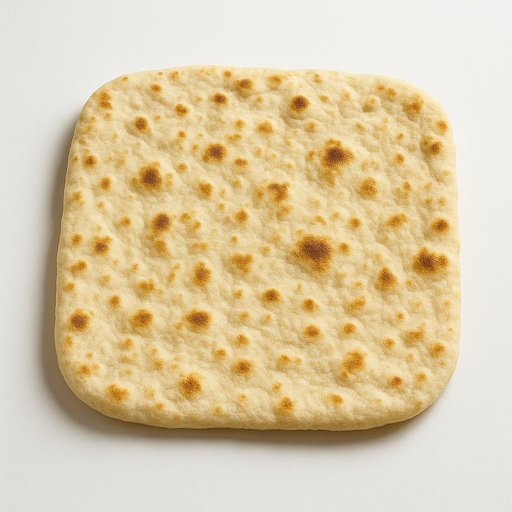
대만 플랫브레드 공급업체 및 가격 — 마켓 오버뷰 2026
원재료
우유, 우유 버터, 분유, 올리브 기름, +3
HS 코드
190590
최종 업데이트
2026-09-27
서치 및 소싱 팀을 위한 핵심 요약
- 대만에 대한 샘플 수출 거래 3건이 요약되어 있습니다.
- 대만의 플랫브레드에 대해 수출 파트너 기업(제조사 포함) 4개와 수입 파트너 기업 4개가 매핑되어 있습니다.
- 페이지 데이터 최종 업데이트일: 2026-09-27.
대만의 플랫브레드 수출 공급업체·제조사 인텔리전스, 가격 동향, 무역 흐름
대만의 플랫브레드에 대해 수출 파트너 기업 4개가 추적됩니다. Supply Chain Intelligence 회사 프로필 및 분석으로 수출업체 커버리지, 파트너 품질, 경로 우선순위를 검증하세요.
대만에서의 플랫브레드 수출 인텔리전스를 확인하세요. 샘플 공급업체 거래 3건, 월간 단가 범위, HS 코드 190590의 파트너 국가 무역 흐름 패턴을 포함합니다.
스캐터 포인트는 전체 거래 데이터셋의 100.0%에서 샘플링되었습니다. 각 점은 실제 거래입니다. 가입하고 확인해 보세요 — 적정한 거래였는지 AI에게 물어볼 수도 있습니다.
대만의 플랫브레드 샘플 수출 공급업체·제조사 거래 기록
대만의 플랫브레드 샘플 거래 3건에는 수출 가격과 공급업체 거래 패턴 벤치마킹을 위한 날짜, 원산지, 파트너 국가 맥락이 포함됩니다.
대만의 플랫브레드 샘플 거래 단가(일자별): 2025-12-26: 3.96 USD / kg, 2025-11-30: 3.92 USD / kg, 2025-11-15: 3.57 USD / kg.
| 일자 | 신고 품목 | 단가 | 수출업체 | 수입업체 | |
|---|---|---|---|---|---|
| 2025-12-26 | MOD** ****** ******* ******* ***** ** ****** ** * ************ ********* * ** *** ********* ********* ******** ********* ** * ******* ******* **** ******* ** * **** ***** ******** *** ******** ***** ******* *** ******** *** *** * * *** ***** ** ** ****** | 3.96 USD / kg | (대만) | (미국) | |
| 2025-11-30 | PON** ***** *** ***** ***** ***** *** ***** ****** *** ***** ***** ***** *** ***** *** *** ***** ******* ***** ***** ***** **** *** ***** ****** ***** ******* ***** ****** ** ***** ***** **** * ****** | 3.92 USD / kg | (대만) | (미국) | |
| 2025-11-15 | CAR**** ** ****** ***** **** ****************** ***** ******** ******** ************ *** ***** ******** ****** *************** | 3.57 USD / kg | (대만) | (미국) |
이 3건은 샘플입니다 — 트릿지에 가입하고 대만 플랫브레드 거래를 확인하세요
필요한 거래의 수출·수입업체와 가격을 확인하고, 적정한 거래였는지 AI에게 묻고, AI Curation으로 만들어 보세요.
대만의 상위 플랫브레드 수출 공급업체, 제조사 및 기업
선도 수출업체 프로필을 검토하고 대만의 플랫브레드에 대해 추적되는 전체 수출 파트너 기업 4개와 비교하세요. Supply Chain Intelligence 회사 프로필 및 분석으로 소싱 및 수출 파트너를 더 빠르게 선별할 수 있습니다.
(대만)
최근 수출 거래: 2026-08-27
산업군: 식품 제조, 육상 운송, 기타
밸류체인 역할: 유통 / 도매, 식품 제조, 물류
(대만)
최근 수출 거래: 2026-08-27
임직원 규모: 직원 101 - 500명
산업군: 축산, 식품 제조
밸류체인 역할: 농업 / 생산 / 가공 / 포장, 식품 제조, 무역
(대만)
최근 수출 거래: 2026-08-27
산업군: 식품 도매
밸류체인 역할: 유통 / 도매, 무역
(대만)
최근 수출 거래: 2026-08-27
임직원 규모: 직원 11 - 50명
산업군: 식품 제조, 식품 도매
밸류체인 역할: 유통 / 도매, 식품 제조
트릿지 아이에서 전체 그림 보기: 가격·거래 전체 이력 · 725,009+ 기업 프로필
대만 수출 파트너 커버리지
4개 기업
총 수출 파트너 기업 수는 대만의 플랫브레드 수출 네트워크 깊이를 보여주는 핵심 신호입니다.
수출업체와 수입업체는 공급망 인텔리전스 기업 프로필 및 분석을 열어 대만 내 플랫브레드 파트너 집중도, 공급 역량 시그널, 무역 관련성을 평가할 수 있습니다.
소싱 진단
대만산 플랫브레드, 우리도 들여올 수 있을까요?
필요한 스펙과 물량만 알려주세요. 실제로 소싱이 되는지, 어떤 원산지와 공급사가 맞는지 짚어드려요.
무료 진단, 계정 없이 이용 가능합니다.
대만의 플랫브레드 수입 바이어 인텔리전스 및 가격 시그널: 바이어, 수요, 거래 파트너
대만의 플랫브레드에 대해 수입 파트너 기업 4개가 추적됩니다. 수출업체와 수입업체는 Supply Chain Intelligence 회사 프로필 및 분석을 활용해 바이어 수요, 파트너 밀도, 다운스트림 채널을 분석할 수 있습니다.
스캐터 포인트는 전체 거래 데이터셋의 100.0%에서 샘플링되었습니다. 각 점은 실제 거래입니다. 가입하고 확인해 보세요 — 적정한 거래였는지 AI에게 물어볼 수도 있습니다.
플랫브레드의 대만 샘플 수입 거래 및 가격 기록
대만의 플랫브레드 샘플 수입 거래 1건은 가격 수준과 수요 측 거래 패턴 벤치마킹을 위한 날짜, 원산지, 무역 국가 맥락을 제공합니다.
대만의 플랫브레드 샘플 수입 거래 단가(일자별): 2025-09-12: 1.80 USD / kg.
| 일자 | 신고 품목 | 단가 | 수출업체 | 수입업체 | 원산지 | |
|---|---|---|---|---|---|---|
| 2025-09-12 | FRO*** ****** ** **** ********** ************* **** ***** ***** ** ************* **** * | 1.80 USD / kg | (-) | (-) | - |
이 1건은 샘플입니다 — 트릿지에 가입하고 대만 플랫브레드 거래를 확인하세요
필요한 거래의 수출·수입업체와 가격을 확인하고, 적정한 거래였는지 AI에게 묻고, AI Curation으로 만들어 보세요.
대만 내 상위 플랫브레드 바이어, 수입업체 및 수요 파트너
선도 바이어 프로필을 검토하고 대만의 플랫브레드에 대해 추적되는 전체 수입 파트너 기업 4개와 비교하세요. 수출업체와 수입업체는 Supply Chain Intelligence 회사 프로필 및 분석으로 수요 측 파트너 적합도를 평가할 수 있습니다.
(대만)
최근 수입 거래: 2026-08-27
임직원 규모: 직원 1 - 10명
산업군: 브로커 및 무역 대행, 식품 제조
밸류체인 역할: 유통 / 도매, 무역
(대만)
최근 수입 거래: 2026-08-27
산업군: 브로커 및 무역 대행, 식품 제조
밸류체인 역할: 무역
(대만)
최근 수입 거래: 2026-08-27
임직원 규모: 직원 1000명 초과
매출액: 매출 USD 1B 초과
산업군: 음료 제조, 식품 제조
밸류체인 역할: 유통 / 도매, 농업 / 생산 / 가공 / 포장, 식품 제조
(대만)
최근 수입 거래: 2026-08-27
산업군: 식품 제조, 기타
밸류체인 역할: 식품 제조
트릿지 아이에서 전체 그림 보기: 가격·거래 전체 이력 · 725,009+ 기업 프로필
대만 수입 파트너 커버리지
4개 기업
수입 파트너 기업 수는 대만의 플랫브레드 수요 측 가시성을 보여줍니다.
공급망 인텔리전스 분석과 기업 프로필을 활용해 대만에서 활동 중인 플랫브레드 수입업체, 유통업체, 바이어 네트워크를 식별하세요.
수출 진단
우리 플랫브레드, 이 대만 바이어들에게 팔 수 있을까요?
만드시는 제품만 알려주시면 됩니다. 지금 수출할 준비가 됐는지, 어느 시장이 맞는지 봐드려요.
무료 진단, 계정 없이 이용 가능합니다.
가격 데이터
대만 플랫브레드 가격, 어디까지 필요하세요?
전체 가격 히스토리와 경쟁사 벤치마크를 열어드립니다. 어떤 숫자가 필요하신지만 말씀해 주시면 함께 살펴봐 드려요.
Classification
Product TypeProcessed Food
Product FormPackaged (Ambient/Frozen)
Industry PositionFinished Bakery Product
Market
Flatbread in Taiwan is a processed bakery segment primarily consumed domestically, spanning Western-style tortillas/wrap breads and localized flatbread-style items sold chilled or frozen. Supply is supported by both imports and domestic manufacturing (e.g., local tortilla production) alongside broader industrial prepared-food producers supplying major retail channels. Consumer access is shaped by Taiwan’s modern retail structure—convenience stores, supermarkets, and hypermarkets—plus e-commerce and foodservice. Imports for sale face TFDA border inspection and labeling compliance requirements, and sea-freight disruption is a material continuity risk for imported finished goods and key inputs.
Market RoleDomestic consumption market with mixed local production and imports
Domestic RoleConvenience and foodservice-oriented bakery staple segment (wraps and ready-to-heat items) within Taiwan’s broader processed food market
SeasonalityYear-round retail and foodservice availability; demand is driven more by retail promotions and foodservice menu cycles than agricultural seasonality.
Specification
Physical Attributes
- Pliability and tear resistance for wrap use
- Uniform thickness and diameter for portion control
- Even bake color with limited scorching and surface cracking
Compositional Metrics
- Moisture management is critical for texture retention and mold control in ambient SKUs
- Oil/fat content affects softness and reheating performance in frozen or ready-to-heat SKUs
Packaging
- Flow-wrapped retail packs (ambient or chilled) with date coding
- Frozen retail or bulk foodservice packs requiring cold-chain integrity
Supply Chain
Value Chain
- Domestic manufacturing: ingredient receiving → mixing → sheeting/pressing → baking → cooling → packaging → distribution to retail/foodservice
- Imported product flow: overseas manufacturing → sea freight → TFDA import inspection at port of entry → importer/wholesaler distribution → retail/foodservice
Temperature
- Frozen flatbread SKUs require continuous frozen storage and transport (typical industry practice is ≤ -18°C).
- Ambient SKUs are sensitive to humidity and temperature abuse that accelerates staling and mold risk.
Shelf Life
- Shelf life is strongly influenced by packaging barrier performance, hygiene controls, and (where used) permitted preservative systems.
- Frozen storage materially extends usable life but increases dependence on uninterrupted cold chain.
Freight IntensityHigh
Transport ModeSea
Risks
Geopolitical HighEscalation of cross-strait security tensions could disrupt commercial shipping routes, port operations, or marine insurance availability/cost for Taiwan-bound sea freight, severely impacting continuity of imported flatbread SKUs and imported upstream inputs used by domestic manufacturers.Dual-source critical SKUs (import + qualified local manufacturers), build safety stock for high-rotation items, and pre-negotiate contingency logistics/insurance clauses with forwarders and underwriters.
Regulatory Compliance MediumBorder inspection noncompliance (e.g., documentation inconsistencies, labeling nonconformity, or additive-use nonconformity) can lead to clearance delays, rejection, disposal requirements, and financial penalties, interrupting retail supply and raising costs.Run a pre-shipment compliance dossier: TFDA inspection filing checklist, Chinese label verification, and additive/ingredient conformity review against TFDA standards.
Logistics MediumFreight-rate volatility and delay risk is commercially significant for bulky packaged bakery goods moving by sea, increasing landed cost variance and reducing price competitiveness versus locally produced alternatives.Use forward freight agreements or contracted rate windows where possible; optimize carton cube utilization; prioritize local production for the most freight-sensitive SKUs.
Standards
- HACCP
- ISO 22000
FAQ
Which authority inspects imported flatbread for sale in Taiwan, and when must the inspection application be filed?Imports of foods for sale are inspected under Taiwan’s Food and Drug Administration (TFDA) framework. TFDA’s import inspection regulations require the importer (or representative) to file an application for inspection at the port of entry within the specified pre-entry window before the goods arrive.
What are the key labeling expectations for imported prepackaged flatbread sold in Taiwan?Imported prepackaged foods must comply with Taiwan’s labeling requirements, including completing Chinese labeling prior to sale. TFDA also publishes specific management principles for labeling of intact packages intended for business use, including conditions where external Chinese labeling may be handled differently for items that will be repackaged or further processed.
Can preservatives or other additives be used in packaged flatbread sold in Taiwan?Additives can be used only if they comply with TFDA’s standards on the specification, scope, application, and limitations of food additives. Additives that are not listed in TFDA’s standards are not permitted for use.
Sources


수출·소싱 진단
대만 플랫브레드, 사는 쪽이세요 파는 쪽이세요?
어느 쪽이든 몇 가지만 답해주시면 됩니다. 어디서 살 수 있는지, 누구에게 팔 수 있는지 정리해서 보내드릴게요.
무료 진단, 계정 없이 이용 가능합니다.
'쿠키 허용'을 클릭하면 통계 및 개인 선호도 산출을 위한 쿠키 제공에 동의하게 됩니다.
개인정보 보호정책에서 쿠키에 대한 자세한 내용을 확인할 수 있습니다.