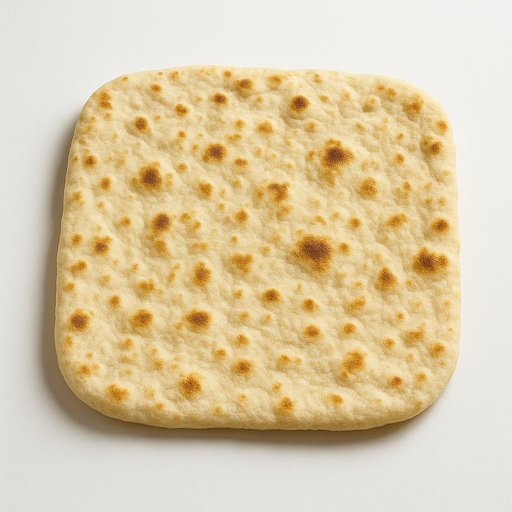
요르단 플랫브레드 공급업체 및 가격 — 마켓 오버뷰 2026
원재료
우유, 우유 버터, 분유, 올리브 기름, +3
HS 코드
190590
최종 업데이트
2026-09-27
서치 및 소싱 팀을 위한 핵심 요약
- 요르단에 대한 샘플 수출 거래 1건이 요약되어 있습니다.
- 요르단의 플랫브레드에 대해 수출 파트너 기업(제조사 포함) 3개와 수입 파트너 기업 1개가 매핑되어 있습니다.
- 이 페이지 데이터셋의 최신 기준 연도는 2024입니다.
- 페이지 데이터 최종 업데이트일: 2026-09-27.
요르단의 플랫브레드 수출 공급업체·제조사 인텔리전스, 가격 동향, 무역 흐름
요르단의 플랫브레드에 대해 수출 파트너 기업 3개가 추적됩니다. Supply Chain Intelligence 회사 프로필 및 분석으로 수출업체 커버리지, 파트너 품질, 경로 우선순위를 검증하세요.
요르단에서의 플랫브레드 수출 인텔리전스를 확인하세요. 샘플 공급업체 거래 1건, 월간 단가 범위, HS 코드 190590의 파트너 국가 무역 흐름 패턴을 포함합니다.
스캐터 포인트는 전체 거래 데이터셋의 100.0%에서 샘플링되었습니다. 각 점은 실제 거래입니다. 가입하고 확인해 보세요 — 적정한 거래였는지 AI에게 물어볼 수도 있습니다.
요르단의 플랫브레드 샘플 수출 공급업체·제조사 거래 기록
요르단의 플랫브레드 샘플 거래 1건에는 수출 가격과 공급업체 거래 패턴 벤치마킹을 위한 날짜, 원산지, 파트너 국가 맥락이 포함됩니다.
요르단의 플랫브레드 샘플 거래 단가(일자별): 2025-10-27: 0.68 USD / kg.
| 일자 | 신고 품목 | 단가 | 수출업체 | 수입업체 | |
|---|---|---|---|---|---|
| 2025-10-27 | 100 ******** ** ******* ******* ********* ********* | 0.68 USD / kg | (요르단) | (필리핀) |
이 1건은 샘플입니다 — 트릿지에 가입하고 요르단 플랫브레드 거래를 확인하세요
필요한 거래의 수출·수입업체와 가격을 확인하고, 적정한 거래였는지 AI에게 묻고, AI Curation으로 만들어 보세요.
요르단의 상위 플랫브레드 수출 공급업체, 제조사 및 기업
선도 수출업체 프로필을 검토하고 요르단의 플랫브레드에 대해 추적되는 전체 수출 파트너 기업 3개와 비교하세요. Supply Chain Intelligence 회사 프로필 및 분석으로 소싱 및 수출 파트너를 더 빠르게 선별할 수 있습니다.
(요르단)
최근 수출 거래: 2026-08-27
산업군: 기타
밸류체인 역할: 유통 / 도매
(요르단)
최근 수출 거래: 2026-08-27
산업군: 기타
밸류체인 역할: 무역
(요르단)
최근 수출 거래: 2026-08-27
임직원 규모: 직원 1000명 초과
산업군: 식품 제조, 식품 포장, 온라인 리테일 및 풀필먼트
밸류체인 역할: 소매, 무역
트릿지 아이에서 전체 그림 보기: 가격·거래 전체 이력 · 725,009+ 기업 프로필
요르단 수출 파트너 커버리지
3개 기업
총 수출 파트너 기업 수는 요르단의 플랫브레드 수출 네트워크 깊이를 보여주는 핵심 신호입니다.
수출업체와 수입업체는 공급망 인텔리전스 기업 프로필 및 분석을 열어 요르단 내 플랫브레드 파트너 집중도, 공급 역량 시그널, 무역 관련성을 평가할 수 있습니다.
요르단 내 플랫브레드의 연간 수출 금액, 물량 및 공급업체 시장 규모 (HS 코드 190590)
요르단의 플랫브레드 수출 물량/금액 2년치를 분석해 공급 측 시장 성장, 계절성, 무역 변동성을 평가하세요.
| 연도 | 물량 | 금액 |
|---|---|---|
| 2023 | 4,369,524 | 17,567,861 USD |
| 2022 | 5,270,682 | 18,035,871 USD |
소싱 진단
요르단산 플랫브레드, 우리도 들여올 수 있을까요?
필요한 스펙과 물량만 알려주세요. 실제로 소싱이 되는지, 어떤 원산지와 공급사가 맞는지 짚어드려요.
무료 진단, 계정 없이 이용 가능합니다.
요르단의 플랫브레드 수입 바이어 인텔리전스 및 가격 시그널: 바이어, 수요, 거래 파트너
요르단의 플랫브레드에 대해 수입 파트너 기업 1개가 추적됩니다. 수출업체와 수입업체는 Supply Chain Intelligence 회사 프로필 및 분석을 활용해 바이어 수요, 파트너 밀도, 다운스트림 채널을 분석할 수 있습니다.
스캐터 포인트는 전체 거래 데이터셋의 100.0%에서 샘플링되었습니다. 각 점은 실제 거래입니다. 가입하고 확인해 보세요 — 적정한 거래였는지 AI에게 물어볼 수도 있습니다.
플랫브레드의 요르단 샘플 수입 거래 및 가격 기록
요르단의 플랫브레드 샘플 수입 거래 2건은 가격 수준과 수요 측 거래 패턴 벤치마킹을 위한 날짜, 원산지, 무역 국가 맥락을 제공합니다.
요르단의 플랫브레드 샘플 수입 거래 단가(일자별): 2026-04-01: 2.01 USD / kg, 2025-09-16: 2.01 USD / kg.
| 일자 | 신고 품목 | 단가 | 수출업체 | 수입업체 | 원산지 | |
|---|---|---|---|---|---|---|
| 2026-04-01 | PUF* ******* * ***** ******** ********** * ***** *** ********* | 2.01 USD / kg | (-) | (-) | - | |
| 2025-09-16 | PUF* ******* * ***** ******** ********** * ***** *** ********* | 2.01 USD / kg | (-) | (-) | - |
이 2건은 샘플입니다 — 트릿지에 가입하고 요르단 플랫브레드 거래를 확인하세요
필요한 거래의 수출·수입업체와 가격을 확인하고, 적정한 거래였는지 AI에게 묻고, AI Curation으로 만들어 보세요.
요르단 내 상위 플랫브레드 바이어, 수입업체 및 수요 파트너
선도 바이어 프로필을 검토하고 요르단의 플랫브레드에 대해 추적되는 전체 수입 파트너 기업 1개와 비교하세요. 수출업체와 수입업체는 Supply Chain Intelligence 회사 프로필 및 분석으로 수요 측 파트너 적합도를 평가할 수 있습니다.
(요르단)
최근 수입 거래: 2026-08-27
임직원 규모: 직원 11 - 50명
산업군: 항공 운송, 포워딩 및 복합운송, 육상 운송, 기타, 해상 및 수상 운송
밸류체인 역할: 유통 / 도매, 물류, 무역
트릿지 아이에서 전체 그림 보기: 가격·거래 전체 이력 · 725,009+ 기업 프로필
요르단 수입 파트너 커버리지
1개 기업
수입 파트너 기업 수는 요르단의 플랫브레드 수요 측 가시성을 보여줍니다.
공급망 인텔리전스 분석과 기업 프로필을 활용해 요르단에서 활동 중인 플랫브레드 수입업체, 유통업체, 바이어 네트워크를 식별하세요.
요르단 내 플랫브레드의 연간 수입 금액, 물량 및 수요 규모 (HS 코드 190590)
요르단의 플랫브레드 수입 물량/금액 2년치를 추적해 수요 성장과 시장 모멘텀을 평가하세요.
| 연도 | 물량 | 금액 |
|---|---|---|
| 2023 | 7,910,815 | 33,663,393 USD |
| 2022 | 5,183,288 | 19,555,855 USD |
수출 진단
우리 플랫브레드, 이 요르단 바이어들에게 팔 수 있을까요?
만드시는 제품만 알려주시면 됩니다. 지금 수출할 준비가 됐는지, 어느 시장이 맞는지 봐드려요.
무료 진단, 계정 없이 이용 가능합니다.
가격 데이터
요르단 플랫브레드 가격, 어디까지 필요하세요?
전체 가격 히스토리와 경쟁사 벤치마크를 열어드립니다. 어떤 숫자가 필요하신지만 말씀해 주시면 함께 살펴봐 드려요.
Classification
Product TypeProcessed Food
Product FormFresh (baked) and packaged ambient
Industry PositionBakery Product (Staple Food)
Market
Flatbread (commonly Arabic pita-style bread) is a staple food in Jordan and is primarily produced for domestic consumption through a broad network of bakeries and industrial producers. The market is structurally tied to wheat/flour input availability and pricing, as flour supply depends on grain procurement and milling economics rather than local wheat self-sufficiency. Freshness, daily availability, and price accessibility are key purchase drivers, while packaged formats compete on shelf-life and convenience in modern retail. Regulatory compliance (labeling, shelf-life/date coding, and food safety controls) is most consequential for packaged flatbread intended for wider distribution or import.
Market RoleDomestic consumption market with primarily domestic production (bakery sector); structurally dependent on imported wheat/flour inputs
Domestic RoleStaple daily-consumed bakery product with widespread retail and foodservice use
SeasonalityYear-round production and consumption; demand is relatively stable with short shelf-life driving frequent replenishment.
Specification
Primary VarietyArabic pita-style flatbread (khubz/arabi)
Secondary Variety
- Taboon-style flatbread
- Saj-style flatbread
Physical Attributes
- Softness and pliability (especially for wraps/sandwich use)
- Uniform pocket formation (for pita-style bread)
- Low scorching and minimal surface cracks
- Moisture balance to avoid rapid staling
Compositional Metrics
- Flour strength/gluten performance suitability for pocket formation
- Salt level consistency (especially for institutional supply)
Packaging
- Fresh bread bundled in bags for same-day retail
- Packaged flatbread in sealed plastic bags with date coding for modern retail distribution
Supply Chain
Value Chain
- Wheat procurement and milling → flour distribution → dough mixing and fermentation → baking → rapid retail distribution (fresh) or cooling and packaging (packaged) → retail/foodservice
Temperature
- Typically handled at ambient temperature; moisture and condensation control helps reduce mold and quality loss in packaged formats.
Atmosphere Control
- Ventilation and moisture management during cooling reduces condensation inside packaging.
Shelf Life
- Fresh flatbread has a very short practical shelf-life, driving frequent replenishment; packaged formats extend shelf-life depending on formulation and packaging integrity.
Freight IntensityHigh
Transport ModeLand
Risks
Input Supply HighJordan’s flatbread availability is highly exposed to wheat/flour procurement disruption and global price shocks; supply interruptions can rapidly translate into flour constraints and bread market instability.Qualify multiple flour/wheat supply options, maintain inventory buffers for key inputs, and align procurement with government and miller allocation/pricing conditions.
Regulatory Compliance MediumPackaged flatbread shipments can be delayed or rejected if labeling, date marking, ingredient declarations, or importer documentation do not match Jordan’s applicable requirements.Run a pre-shipment label and document conformity check with the Jordan importer against competent authority and standards-body guidance.
Food Safety MediumPackaged flatbread is susceptible to mold spoilage and quality degradation if moisture control, packaging integrity, and preservative use are not properly managed and compliant.Validate shelf-life through stability testing, control post-bake cooling to avoid condensation, and ensure any preservatives/additives comply with applicable limits.
Logistics MediumBulk-to-value characteristics make cross-border packaged flatbread sensitive to land freight cost spikes and border delays, reducing competitiveness versus local production and increasing damage/staling risk.Prioritize regional routes with predictable transit times, ship with protective secondary packaging, and consider in-market baking/packing partnerships for volume programs.
Sustainability
- Exposure to global wheat supply shocks and associated food price volatility (indirect sustainability and food-security sensitivity)
- Packaging waste management (single-use plastic bags for packaged bread)
Labor & Social
- Occupational health and safety in bakeries (heat exposure, burns, machinery risks)
Standards
- HACCP-based food safety management (commonly requested by modern retail and institutional buyers)
FAQ
Is flatbread in Jordan mainly imported or produced domestically?It is primarily produced domestically through bakeries and industrial producers, with the biggest structural dependency being wheat/flour inputs rather than imports of finished flatbread.
What is the biggest risk that could disrupt flatbread availability in Jordan?Disruption or sharp price shocks in wheat/flour procurement is the most critical risk, because it can quickly constrain flour availability and destabilize staple bread supply.
What typically causes delays for packaged flatbread shipments entering Jordan?Labeling and documentation mismatches—especially around ingredient declarations and date marking/shelf-life information—are a common trigger for holds or rejection risk for packaged products.
Sources


수출·소싱 진단
요르단 플랫브레드, 사는 쪽이세요 파는 쪽이세요?
어느 쪽이든 몇 가지만 답해주시면 됩니다. 어디서 살 수 있는지, 누구에게 팔 수 있는지 정리해서 보내드릴게요.
무료 진단, 계정 없이 이용 가능합니다.
'쿠키 허용'을 클릭하면 통계 및 개인 선호도 산출을 위한 쿠키 제공에 동의하게 됩니다.
개인정보 보호정책에서 쿠키에 대한 자세한 내용을 확인할 수 있습니다.