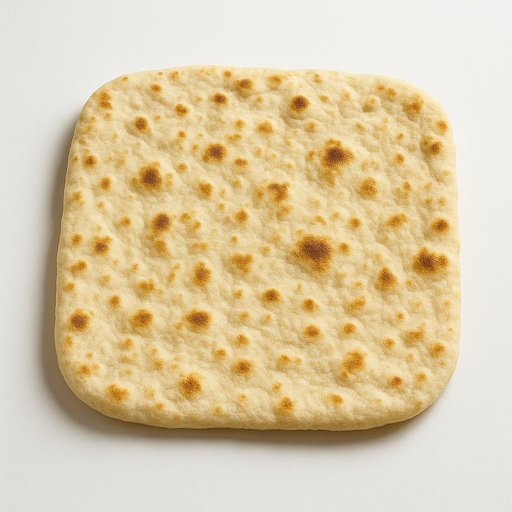
일본 플랫브레드 공급업체 및 가격 — 마켓 오버뷰 2026
원재료
우유, 우유 버터, 분유, 올리브 기름, +3
HS 코드
190590
최종 업데이트
2026-09-21
서치 및 소싱 팀을 위한 핵심 요약
- 수출 파트너 국가 5개와 수입 파트너 국가 5개가 랭킹되어 있습니다.
- 이 페이지 데이터셋의 최신 기준 연도는 2024입니다.
- 페이지 데이터 최종 업데이트일: 2026-09-21.
일본의 플랫브레드 수출 공급업체·제조사 인텔리전스, 가격 동향, 무역 흐름
Supply Chain Intelligence 기업 프로필 및 분석으로 일본의 플랫브레드 수출업체 커버리지, 파트너 품질, 경로 우선순위를 검증하세요.
일본 내 플랫브레드의 연간 수출 금액, 물량 및 공급업체 시장 규모 (HS 코드 190590)
일본의 플랫브레드 수출 물량/금액 3년치를 분석해 공급 측 시장 성장, 계절성, 무역 변동성을 평가하세요.
| 연도 | 물량 | 금액 |
|---|---|---|
| 2024 | 36,357,801 | 343,630,883 USD |
| 2023 | 35,096,145 | 341,327,700 USD |
| 2022 | 37,869,644 | 379,901,533 USD |
일본에서 수출되는 플랫브레드의 주요 수출 대상 시장 (HS 코드 190590) 2024
2024년 기준, 일본발 플랫브레드 수출의 상위 목적지국 5개 전반에서 수출 물량과 금액을 비교하세요.
| 순위 | 국가 | 물량 | 금액 |
|---|---|---|---|
| 1 | 홍콩 | 7,489,956 | 73,691,868.084 USD |
| 2 | 미국 | 7,457,104 | 69,566,603.96 USD |
| 3 | 중국 | 2,460,699 | 23,989,142.951 USD |
| 4 | 대한민국 | 2,723,864 | 22,844,376.97 USD |
| 5 | 싱가포르 | 1,900,898 | 22,407,265.165 USD |
소싱 진단
일본산 플랫브레드, 우리도 들여올 수 있을까요?
필요한 스펙과 물량만 알려주세요. 실제로 소싱이 되는지, 어떤 원산지와 공급사가 맞는지 짚어드려요.
무료 진단, 계정 없이 이용 가능합니다.
일본의 플랫브레드 수입 바이어 인텔리전스 및 가격 시그널: 바이어, 수요, 거래 파트너
일본의 플랫브레드에 대해 수입 파트너 기업 5개가 추적됩니다. 수출업체와 수입업체는 Supply Chain Intelligence 회사 프로필 및 분석을 활용해 바이어 수요, 파트너 밀도, 다운스트림 채널을 분석할 수 있습니다.
스캐터 포인트는 전체 거래 데이터셋의 81.8%에서 샘플링되었습니다. 각 점은 실제 거래입니다. 가입하고 확인해 보세요 — 적정한 거래였는지 AI에게 물어볼 수도 있습니다.
플랫브레드의 일본 샘플 수입 거래 및 가격 기록
일본의 플랫브레드 샘플 수입 거래 5건은 가격 수준과 수요 측 거래 패턴 벤치마킹을 위한 날짜, 원산지, 무역 국가 맥락을 제공합니다.
일본의 플랫브레드 샘플 수입 거래 단가(일자별): 2026-06-28: 2.65 USD / kg, 2026-06-28: 2.75 USD / kg, 2026-06-13: 2.72 USD / kg, 2026-06-06: 0.45 USD / kg, 2026-02-28: 2.75 USD / kg.
| 일자 | 신고 품목 | 단가 | 수출업체 | 수입업체 | 원산지 | |
|---|---|---|---|---|---|---|
| 2026-06-28 | OTH******** ******* ************************** **** ******* *** *** | 2.65 USD / kg | (-) | (-) | - | |
| 2026-06-28 | OTH******** ******* ************************** ****** **** *** *** | 2.75 USD / kg | (-) | (-) | - | |
| 2026-06-13 | OTH******** ******* ************************** ****** **** *** *** | 2.72 USD / kg | (-) | (-) | - | |
| 2026-06-06 | ROU** ***** **** ** *** *** ** ******* | 0.45 USD / kg | (-) | (-) | - | |
| 2026-02-28 | OTH******** ******* ************************** ****** **** *** *** | 2.75 USD / kg | (-) | (-) | - |
이 5건은 샘플입니다 — 트릿지에 가입하고 일본 플랫브레드 거래를 확인하세요
필요한 거래의 수출·수입업체와 가격을 확인하고, 적정한 거래였는지 AI에게 묻고, AI Curation으로 만들어 보세요.
일본 내 상위 플랫브레드 바이어, 수입업체 및 수요 파트너
선도 바이어 프로필을 검토하고 일본의 플랫브레드에 대해 추적되는 전체 수입 파트너 기업 5개와 비교하세요. 수출업체와 수입업체는 Supply Chain Intelligence 회사 프로필 및 분석으로 수요 측 파트너 적합도를 평가할 수 있습니다.
(일본)
최근 수입 거래: 2026-08-21
산업군: 식품 제조, 식품 도매
밸류체인 역할: 유통 / 도매, 식품 제조
(일본)
최근 수입 거래: 2026-08-21
임직원 규모: 직원 101 - 500명
산업군: 식품 제조, 식품 도매
밸류체인 역할: 유통 / 도매, 식품 제조
(일본)
최근 수입 거래: 2026-08-21
임직원 규모: 직원 1000명 초과
매출액: 매출 USD 1B 초과
산업군: 식품 제조, 식품 도매, 기타
밸류체인 역할: 유통 / 도매, 식품 제조, 기타
(일본)
최근 수입 거래: 2026-08-21
임직원 규모: 직원 11 - 50명
산업군: 식품 도매, 기타
밸류체인 역할: 유통 / 도매, 물류, 기타
(일본)
최근 수입 거래: 2026-08-21
산업군: 식품 도매, 기타
밸류체인 역할: 유통 / 도매, 무역
트릿지 아이에서 전체 그림 보기: 가격·거래 전체 이력 · 725,009+ 기업 프로필
일본 수입 파트너 커버리지
5개 기업
수입 파트너 기업 수는 일본의 플랫브레드 수요 측 가시성을 보여줍니다.
공급망 인텔리전스 분석과 기업 프로필을 활용해 일본에서 활동 중인 플랫브레드 수입업체, 유통업체, 바이어 네트워크를 식별하세요.
일본 내 플랫브레드의 연간 수입 금액, 물량 및 수요 규모 (HS 코드 190590)
일본의 플랫브레드 수입 물량/금액 3년치를 추적해 수요 성장과 시장 모멘텀을 평가하세요.
| 연도 | 물량 | 금액 |
|---|---|---|
| 2024 | 112,300,396 | 525,213,894 USD |
| 2023 | 101,270,940 | 473,413,993 USD |
| 2022 | 113,780,721 | 508,259,732 USD |
일본에 플랫브레드를 공급하는 주요 원산지 공급국 (HS 코드 190590) 2024
2024년 기준, 일본로 플랫브레드를 공급하는 상위 원산 공급국 5개 전반의 수입 물량과 금액을 비교하세요.
| 순위 | 국가 | 물량 | 금액 |
|---|---|---|---|
| 1 | 중국 | 32,067,972 | 101,306,606.501 USD |
| 2 | 말레이시아 | 16,733,275 | 77,917,438.547 USD |
| 3 | 프랑스 | 6,468,914 | 54,062,341.278 USD |
| 4 | 미국 | 10,600,825 | 51,824,240.842 USD |
| 5 | 베트남 | 8,929,094 | 37,340,495.884 USD |
수출 진단
우리 플랫브레드, 이 일본 바이어들에게 팔 수 있을까요?
만드시는 제품만 알려주시면 됩니다. 지금 수출할 준비가 됐는지, 어느 시장이 맞는지 봐드려요.
무료 진단, 계정 없이 이용 가능합니다.
가격 데이터
일본 플랫브레드 가격, 어디까지 필요하세요?
전체 가격 히스토리와 경쟁사 벤치마크를 열어드립니다. 어떤 숫자가 필요하신지만 말씀해 주시면 함께 살펴봐 드려요.
Classification
Product TypeProcessed Food
Product FormBaked (packaged; ambient/chilled/frozen variants)
Industry PositionFinished Consumer Food Product
Market
Flatbread in Japan is primarily a consumer and foodservice bakery product sold in packaged form (ambient/chilled) and as frozen items, with market access shaped more by compliance than by agricultural seasonality. Imports for commercial sale require an import notification under Japan’s Food Sanitation Act, reviewed at MHLW quarantine stations before customs import permission. Product formulation and labeling are key diligence areas, especially around permitted food additives and mandatory allergen declarations (notably wheat, which is central to most flatbreads). For frozen flatbread, cold-chain integrity and freight-cost volatility can influence landed cost and delivery reliability.
Market RoleImport-reliant consumer market with domestic bakery manufacturing
Domestic RolePackaged bakery staple/adjacent item used for wraps, sandwiches, and meal accompaniment in retail and foodservice
Specification
Supply Chain
Value Chain
- Manufacturer (domestic or overseas) → importer of record → MHLW quarantine station import notification (document examination / possible inspection) → customs import declaration and permit → importer/wholesaler distribution → retail/foodservice
Temperature
- Frozen flatbread requires uninterrupted frozen storage and transport to prevent quality loss and shorten shelf life after thaw
Shelf Life
- Ambient packaged flatbread shelf life is sensitive to formulation (water activity), packaging integrity, and storage temperature; chilled/frozen formats extend distribution reach at higher logistics cost
Freight IntensityMedium
Transport ModeSea
Risks
Regulatory Compliance HighShipments can be delayed or blocked if the product fails Japan’s Food Sanitation Act import notification review (e.g., additive status/standards, manufacturing method details, or other compliance issues) or if the completed declaration is not properly confirmed for customs clearance.Before shipping, align formulation and additive use with Japan’s positive-list approach for additives, prepare a Japan-ready product specification dossier for the import notification, and run a document pre-check with the importer and customs broker.
Food Safety MediumFood sanitation inspectors may order testing/inspection based on risk signals; quality failures (e.g., contamination or foreign matter) can trigger non-compliance outcomes and disposal/return measures.Implement robust foreign-matter control (sieving/filtration where relevant, metal detection) and sanitation monitoring; retain lot-level QA records to support import consultation and any inspection response.
Labeling MediumFlatbread commonly contains wheat (a mandatory allergen disclosure item in Japan); packaging that omits required allergen-related information or other mandatory labeling elements increases recall and market withdrawal risk after entry.Create a Japanese label compliance checklist covering mandatory allergen declarations (including wheat) and ensure importer sign-off before commercialization.
Logistics MediumFor frozen flatbread, temperature excursions or port/warehouse delays can degrade texture and shelf life, while freight-rate volatility can erode margins for bulky SKUs.Use validated frozen logistics SOPs (temperature logging, contingency cold storage) and negotiate freight terms with buffer lead times for peak disruption windows.
FAQ
What is the core regulatory step to import packaged flatbread into Japan for commercial sale?The importer must submit a food import notification under the Food Sanitation Act to an MHLW quarantine station, where the product is reviewed by document examination and may be inspected. Customs import permission is then issued only after the required declarations and procedures are completed.
Which documents are commonly needed for customs clearance when importing flatbread into Japan?Common customs documents include the invoice, bill of lading (or air waybill), and packing list, with freight and insurance documents as required. If preferential or WTO-related rates are applicable, a certificate of origin may also be needed, and foods for sale typically require the confirmed food import declaration linked to the Food Sanitation Act procedure.
Why is allergen labeling a key risk for flatbread in Japan?Japan’s labeling system includes mandatory allergen labeling for specified ingredients, and wheat is one of the mandatory items. Because most flatbreads are wheat-based, missing or incorrect wheat allergen disclosure can create serious compliance and consumer-safety risk.
Sources


수출·소싱 진단
일본 플랫브레드, 사는 쪽이세요 파는 쪽이세요?
어느 쪽이든 몇 가지만 답해주시면 됩니다. 어디서 살 수 있는지, 누구에게 팔 수 있는지 정리해서 보내드릴게요.
무료 진단, 계정 없이 이용 가능합니다.
'쿠키 허용'을 클릭하면 통계 및 개인 선호도 산출을 위한 쿠키 제공에 동의하게 됩니다.
개인정보 보호정책에서 쿠키에 대한 자세한 내용을 확인할 수 있습니다.