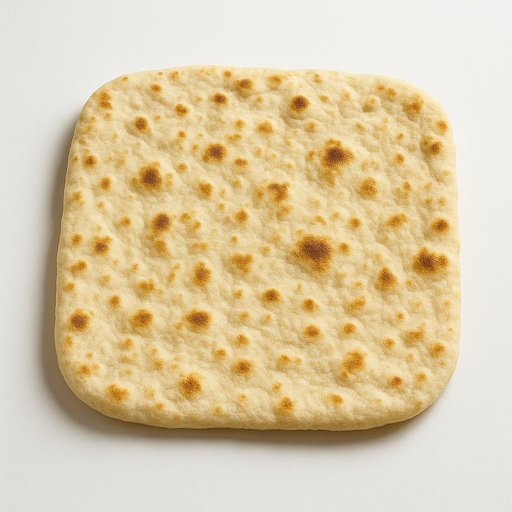
에티오피아 플랫브레드 공급업체 및 가격 — 마켓 오버뷰 2026
원재료
우유, 우유 버터, 분유, 올리브 기름, +3
HS 코드
190590
최종 업데이트
2026-09-21
서치 및 소싱 팀을 위한 핵심 요약
- 에티오피아에 대한 샘플 수출 거래 5건이 요약되어 있습니다.
- 에티오피아의 플랫브레드에 대해 수출 파트너 기업(제조사 포함) 19개와 수입 파트너 기업 129개가 매핑되어 있습니다.
- 이 페이지 데이터셋의 최신 기준 연도는 2024입니다.
- 페이지 데이터 최종 업데이트일: 2026-09-21.
에티오피아의 플랫브레드 수출 공급업체·제조사 인텔리전스, 가격 동향, 무역 흐름
에티오피아의 플랫브레드에 대해 수출 파트너 기업 19개가 추적됩니다. Supply Chain Intelligence 회사 프로필 및 분석으로 수출업체 커버리지, 파트너 품질, 경로 우선순위를 검증하세요.
에티오피아에서의 플랫브레드 수출 인텔리전스를 확인하세요. 샘플 공급업체 거래 5건, 월간 단가 범위, HS 코드 190590의 파트너 국가 무역 흐름 패턴을 포함합니다.
스캐터 포인트는 전체 거래 데이터셋의 0.8%에서 샘플링되었습니다. 각 점은 실제 거래입니다. 가입하고 확인해 보세요 — 적정한 거래였는지 AI에게 물어볼 수도 있습니다.
에티오피아의 플랫브레드 샘플 수출 공급업체·제조사 거래 기록
에티오피아의 플랫브레드 샘플 거래 5건에는 수출 가격과 공급업체 거래 패턴 벤치마킹을 위한 날짜, 원산지, 파트너 국가 맥락이 포함됩니다.
에티오피아의 플랫브레드 샘플 거래 단가(일자별): 2026-02-22: 5.06 USD / kg, 2026-02-11: 1.59 USD / kg, 2026-02-08: 3.31 USD / kg, 2026-02-08: 2.28 USD / kg, 2026-02-07: 2.63 USD / kg.
| 일자 | 신고 품목 | 단가 | 수출업체 | 수입업체 | |
|---|---|---|---|---|---|
| 2026-02-22 | FRE** ****** | 5.06 USD / kg | (에티오피아) | (미국) | |
| 2026-02-11 | FRE** ****** | 1.59 USD / kg | (에티오피아) | (노르웨이) | |
| 2026-02-08 | FRE** ****** | 3.31 USD / kg | (에티오피아) | (바레인) | |
| 2026-02-08 | FRE** ****** | 2.28 USD / kg | (에티오피아) | (아랍에미리트) | |
| 2026-02-07 | FRE** ****** | 2.63 USD / kg | (에티오피아) | (미국) |
이 5건은 샘플입니다 — 트릿지에 가입하고 에티오피아 플랫브레드 거래를 확인하세요
필요한 거래의 수출·수입업체와 가격을 확인하고, 적정한 거래였는지 AI에게 묻고, AI Curation으로 만들어 보세요.
에티오피아의 상위 플랫브레드 수출 공급업체, 제조사 및 기업
선도 수출업체 프로필을 검토하고 에티오피아의 플랫브레드에 대해 추적되는 전체 수출 파트너 기업 19개와 비교하세요. Supply Chain Intelligence 회사 프로필 및 분석으로 소싱 및 수출 파트너를 더 빠르게 선별할 수 있습니다.
(에티오피아)
최근 수출 거래: 2026-08-21
산업군: 식품 제조
밸류체인 역할: 식품 제조
(에티오피아)
최근 수출 거래: 2026-08-21
산업군: 작물 생산, 식품 제조, 기타
밸류체인 역할: 농업 / 생산 / 가공 / 포장, 식품 제조, 무역
(에티오피아)
최근 수출 거래: 2026-08-21
산업군: 기타
밸류체인 역할: 무역
(에티오피아)
최근 수출 거래: 2026-08-21
산업군: 기타
밸류체인 역할: 무역
(에티오피아)
최근 수출 거래: 2026-08-21
산업군: 기타
밸류체인 역할: 농업 / 생산 / 가공 / 포장, 무역
(에티오피아)
최근 수출 거래: 2026-08-21
산업군: 기타
밸류체인 역할: 무역
트릿지 아이에서 전체 그림 보기: 가격·거래 전체 이력 · 725,009+ 기업 프로필
에티오피아 수출 파트너 커버리지
19개 기업
총 수출 파트너 기업 수는 에티오피아의 플랫브레드 수출 네트워크 깊이를 보여주는 핵심 신호입니다.
수출업체와 수입업체는 공급망 인텔리전스 기업 프로필 및 분석을 열어 에티오피아 내 플랫브레드 파트너 집중도, 공급 역량 시그널, 무역 관련성을 평가할 수 있습니다.
에티오피아 내 플랫브레드의 연간 수출 금액, 물량 및 공급업체 시장 규모 (HS 코드 190590)
에티오피아의 플랫브레드 수출 물량/금액 2년치를 분석해 공급 측 시장 성장, 계절성, 무역 변동성을 평가하세요.
| 연도 | 물량 | 금액 |
|---|---|---|
| 2023 | 10,577,800 | 22,446,857 USD |
| 2022 | 9,759,302 | 14,688,380 USD |
소싱 진단
에티오피아산 플랫브레드, 우리도 들여올 수 있을까요?
필요한 스펙과 물량만 알려주세요. 실제로 소싱이 되는지, 어떤 원산지와 공급사가 맞는지 짚어드려요.
무료 진단, 계정 없이 이용 가능합니다.
에티오피아의 플랫브레드 수입 바이어 인텔리전스 및 가격 시그널: 바이어, 수요, 거래 파트너
에티오피아의 플랫브레드에 대해 수입 파트너 기업 129개가 추적됩니다. 수출업체와 수입업체는 Supply Chain Intelligence 회사 프로필 및 분석을 활용해 바이어 수요, 파트너 밀도, 다운스트림 채널을 분석할 수 있습니다.
스캐터 포인트는 전체 거래 데이터셋의 75.6%에서 샘플링되었습니다. 각 점은 실제 거래입니다. 가입하고 확인해 보세요 — 적정한 거래였는지 AI에게 물어볼 수도 있습니다.
플랫브레드의 에티오피아 샘플 수입 거래 및 가격 기록
에티오피아의 플랫브레드 샘플 수입 거래 5건은 가격 수준과 수요 측 거래 패턴 벤치마킹을 위한 날짜, 원산지, 무역 국가 맥락을 제공합니다.
에티오피아의 플랫브레드 샘플 수입 거래 단가(일자별): 2026-02-28: 1.67 USD / kg, 2026-02-25: 1.61 USD / kg, 2026-02-20: 1.55 USD / kg, 2026-02-06: 1.55 USD / kg, 2026-02-05: 1.63 USD / kg.
| 일자 | 신고 품목 | 단가 | 수출업체 | 수입업체 | 원산지 | |
|---|---|---|---|---|---|---|
| 2026-02-28 | FRE** ****** | 1.67 USD / kg | (-) | (-) | - | |
| 2026-02-25 | FRE** ****** | 1.61 USD / kg | (-) | (-) | - | |
| 2026-02-20 | FRE** ****** | 1.55 USD / kg | (-) | (-) | - | |
| 2026-02-06 | FRE** ****** | 1.55 USD / kg | (-) | (-) | - | |
| 2026-02-05 | FRE** ****** | 1.63 USD / kg | (-) | (-) | - |
이 5건은 샘플입니다 — 트릿지에 가입하고 에티오피아 플랫브레드 거래를 확인하세요
필요한 거래의 수출·수입업체와 가격을 확인하고, 적정한 거래였는지 AI에게 묻고, AI Curation으로 만들어 보세요.
에티오피아 내 상위 플랫브레드 바이어, 수입업체 및 수요 파트너
선도 바이어 프로필을 검토하고 에티오피아의 플랫브레드에 대해 추적되는 전체 수입 파트너 기업 129개와 비교하세요. 수출업체와 수입업체는 Supply Chain Intelligence 회사 프로필 및 분석으로 수요 측 파트너 적합도를 평가할 수 있습니다.
(에티오피아)
최근 수입 거래: 2026-08-21
산업군: 식품 제조
밸류체인 역할: 식품 제조
(에티오피아)
최근 수입 거래: 2026-08-21
산업군: 작물 생산, 식품 제조
밸류체인 역할: 유통 / 도매, 농업 / 생산 / 가공 / 포장, 기타, 무역
(에티오피아)
최근 수입 거래: 2026-08-21
임직원 규모: 직원 1000명 초과
매출액: 매출 USD 1B 초과
산업군: 음료 제조, 식품 제조, 식품 포장, 식음료 서비스업, 온라인 리테일 및 풀필먼트
밸류체인 역할: 유통 / 도매, 물류, 소매, 무역
(에티오피아)
최근 수입 거래: 2026-08-21
산업군: 기타
밸류체인 역할: 무역
(에티오피아)
최근 수입 거래: 2026-08-21
산업군: 음료 제조, 식품 제조, 식음료 서비스업
밸류체인 역할: 식품 제조, 무역
(에티오피아)
최근 수입 거래: 2026-08-21
산업군: 작물 생산, 식품 제조
밸류체인 역할: 식품 제조
트릿지 아이에서 전체 그림 보기: 가격·거래 전체 이력 · 725,009+ 기업 프로필
에티오피아 수입 파트너 커버리지
129개 기업
수입 파트너 기업 수는 에티오피아의 플랫브레드 수요 측 가시성을 보여줍니다.
공급망 인텔리전스 분석과 기업 프로필을 활용해 에티오피아에서 활동 중인 플랫브레드 수입업체, 유통업체, 바이어 네트워크를 식별하세요.
에티오피아 내 플랫브레드의 연간 수입 금액, 물량 및 수요 규모 (HS 코드 190590)
에티오피아의 플랫브레드 수입 물량/금액 2년치를 추적해 수요 성장과 시장 모멘텀을 평가하세요.
| 연도 | 물량 | 금액 |
|---|---|---|
| 2023 | 185,273 | 795,475 USD |
| 2022 | 857,698 | 2,077,748 USD |
수출 진단
우리 플랫브레드, 이 에티오피아 바이어들에게 팔 수 있을까요?
만드시는 제품만 알려주시면 됩니다. 지금 수출할 준비가 됐는지, 어느 시장이 맞는지 봐드려요.
무료 진단, 계정 없이 이용 가능합니다.
가격 데이터
에티오피아 플랫브레드 가격, 어디까지 필요하세요?
전체 가격 히스토리와 경쟁사 벤치마크를 열어드립니다. 어떤 숫자가 필요하신지만 말씀해 주시면 함께 살펴봐 드려요.
Classification
Product TypeProcessed Food
Product FormFresh (Short Shelf-Life)
Industry PositionFinished Consumer Food Product
Market
In Ethiopia, the flatbread category is dominated by injera, a fermented flatbread traditionally made from teff and baked on a hot griddle (mitad). Supply is primarily domestic and highly localized because the product is typically produced and consumed fresh, with a large share coming from households and micro/small bakeries alongside a smaller set of branded producers. Addis Ababa has identifiable commercial-scale production, including facilities in areas such as Kality/Akaki Kality, and some firms produce packaged injera for domestic retail and for export to diaspora markets. Imports of packaged flatbread exist but face practical constraints tied to foreign exchange processing, licensing, and compliance steps for food items.
Market RoleDomestic consumption market with significant local production; limited import niche
Domestic RoleStaple flatbread segment led by teff-based injera, produced daily for household and foodservice use
SeasonalityYear-round production because flatbread is baked continuously for daily consumption; upstream grain availability and prices are influenced by annual cereal harvest cycles.
Specification
Primary VarietyTeff injera (fermented flatbread)
Secondary Variety
- Mixed-cereal injera (teff blended with other cereals)
- Wheat-based flatbread styles (urban bakery and packaged segment)
Physical Attributes
- Soft, flexible sheet structure designed for tearing and serving as a base for stews
- Fermentation-driven aeration/porous surface typical of injera-style flatbread
Compositional Metrics
- Fermentation-driven acidity profile (process-controlled via fermentation time and starter management)
- Moisture retention and texture consistency are key buyer/consumer acceptance parameters for packaged formats
Packaging
- Fresh-stacked and wrapped for same-day retail
- Packaged injera in sealed plastic bags for retail distribution (extended shelf-life variants exist)
Supply Chain
Value Chain
- Teff/wheat flour sourcing → batter/dough preparation → fermentation/proofing (as applicable) → baking (mitad/griddle or oven) → cooling → stacking → packaging → urban distribution and foodservice supply
- Packaged export: packaging/boxing → exporter dispatch → customs/export documentation → destination-market importer distribution
Temperature
- Ambient distribution is common for fresh product with tight turnover; heat exposure accelerates staling/spoilage in high-moisture flatbreads
- Packaged formats require hygiene controls and storage discipline to protect shelf-life during retail distribution
Shelf Life
- Fresh flatbread is typically short shelf-life and distribution is time-sensitive
- Extended-shelf-life packaged injera/flatbread relies on packaging integrity and consistent moisture control
Freight IntensityHigh
Transport ModeLand
Risks
Foreign Exchange And Import Licensing HighForeign-exchange processing and import licensing/registration steps can delay or effectively block imports of packaged flatbread, even when commercial demand exists; Letter of Credit processing and import-permit issuance are tightly controlled and subject to bank verification processes.Secure import license/registration and confirm foreign-exchange modality/LC feasibility with the bank before contracting shipments; build lead-time buffers and consider local co-manufacturing for the Ethiopian market where feasible.
Regulatory Compliance MediumFood imports require additional certification involvement from the national food regulator in addition to customs documentation; missing or inconsistent documentation can trigger holds, rework, or rejection.Align importer document checklist with EFDA and customs requirements; run pre-shipment document reconciliation (invoice, COO, labels, shelf-life, certificates as applicable).
Food Safety MediumHigh-moisture flatbreads are sensitive to hygiene failures and temperature/time abuse, increasing spoilage and food safety risk in distribution and retail handling.Implement strong sanitation controls, validated shelf-life for packaged formats, and retailer handling guidance; use batch coding and complaint-response procedures for recalls.
Logistics MediumBulky, short shelf-life products are vulnerable to trucking disruption and freight-cost volatility, which can reduce availability and profitability, especially for distribution beyond major cities.Produce close to demand centers, optimize route planning and packaging for damage control, and use staggered daily dispatch schedules to reduce inventory holding time.
Climate MediumClimate variability can disrupt domestic cereal supply (teff/wheat), contributing to input price volatility and intermittent shortages that feed through to flatbread pricing and availability.Diversify grain sourcing contracts, maintain multi-cereal formulation flexibility where acceptable, and monitor national harvest and market bulletins for early warning.
Sustainability
- Cereal-supply climate sensitivity (drought/production shocks affecting teff and wheat availability and pricing)
- Household energy use for griddle baking (electricity/biomass efficiency) as a cost and environmental theme in traditional flatbread preparation
Labor & Social
- High informality in small bakeries and micro-enterprises can create uneven occupational safety and hygiene practices without strong buyer audits
- No widely documented, product-specific forced-labor or deforestation-linked controversy is uniquely associated with Ethiopian flatbread/injera; primary social risk is compliance variability in informal production
Standards
- ISO certification claims appear in the packaged injera segment (example: an ISO-certified injera producer reported in Ethiopia)
FAQ
What type of flatbread is most characteristic and widely consumed in Ethiopia?In Ethiopia, the flatbread category is most strongly associated with injera, a fermented flatbread traditionally made from teff using a starter culture (ersho) and baked on a hot griddle (mitad). Commercial producers also make packaged injera for domestic retail and for export.
What documents and steps commonly affect importing packaged flatbread into Ethiopia?Imports commonly require an import license and related registration steps, foreign-exchange/bank processing (often via Letters of Credit), and standard shipping/customs documents such as commercial invoices, packing lists, bills of lading/airway bills, and certificates of origin, plus customs import declarations. Food items also require additional certification involvement from Ethiopia’s national food regulator (EFDA).
What is the biggest practical risk for importing packaged flatbread into Ethiopia?Foreign-exchange processing and import licensing can be the biggest practical blocker: even with a buyer and supplier in place, delays or constraints in LC/forex processing and permit steps can prevent timely importation.
Sources


수출·소싱 진단
에티오피아 플랫브레드, 사는 쪽이세요 파는 쪽이세요?
어느 쪽이든 몇 가지만 답해주시면 됩니다. 어디서 살 수 있는지, 누구에게 팔 수 있는지 정리해서 보내드릴게요.
무료 진단, 계정 없이 이용 가능합니다.
'쿠키 허용'을 클릭하면 통계 및 개인 선호도 산출을 위한 쿠키 제공에 동의하게 됩니다.
개인정보 보호정책에서 쿠키에 대한 자세한 내용을 확인할 수 있습니다.