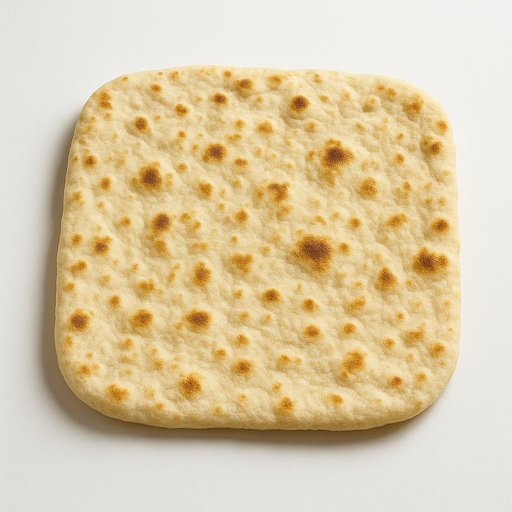
폴란드 플랫브레드 가격 및 무역 — 마켓 오버뷰 2026
원재료
우유, 우유 버터, 분유, 올리브 기름, +3
HS 코드
190590
최종 업데이트
2026-09-21
서치 및 소싱 팀을 위한 핵심 요약
- 수출 파트너 국가 5개와 수입 파트너 국가 5개가 랭킹되어 있습니다.
- 이 페이지 데이터셋의 최신 기준 연도는 2024입니다.
- 페이지 데이터 최종 업데이트일: 2026-09-21.
폴란드의 플랫브레드 수출 공급업체·제조사 인텔리전스, 가격 동향, 무역 흐름
Supply Chain Intelligence 기업 프로필 및 분석으로 폴란드의 플랫브레드 수출업체 커버리지, 파트너 품질, 경로 우선순위를 검증하세요.
폴란드 내 플랫브레드의 연간 수출 금액, 물량 및 공급업체 시장 규모 (HS 코드 190590)
폴란드의 플랫브레드 수출 물량/금액 3년치를 분석해 공급 측 시장 성장, 계절성, 무역 변동성을 평가하세요.
| 연도 | 물량 | 금액 |
|---|---|---|
| 2024 | 579,402,651 | 1,746,388,157 USD |
| 2023 | 538,167,990 | 1,730,068,840 USD |
| 2022 | 511,188,637 | 1,321,017,382 USD |
폴란드에서 수출되는 플랫브레드의 주요 수출 대상 시장 (HS 코드 190590) 2024
2024년 기준, 폴란드발 플랫브레드 수출의 상위 목적지국 5개 전반에서 수출 물량과 금액을 비교하세요.
| 순위 | 국가 | 물량 | 금액 |
|---|---|---|---|
| 1 | 독일 | 150,328,800 | 450,355,378 USD |
| 2 | 영국 | 42,808,520 | 174,176,175 USD |
| 3 | 체코 | 61,557,830 | 147,157,284 USD |
| 4 | 루마니아 | 22,438,090 | 72,144,152 USD |
| 5 | 헝가리 | 27,830,810 | 65,917,074 USD |
소싱 진단
폴란드산 플랫브레드, 우리도 들여올 수 있을까요?
필요한 스펙과 물량만 알려주세요. 실제로 소싱이 되는지, 어떤 원산지와 공급사가 맞는지 짚어드려요.
무료 진단, 계정 없이 이용 가능합니다.
폴란드의 플랫브레드 수입 바이어 인텔리전스 및 가격 시그널: 바이어, 수요, 거래 파트너
수출업체와 수입업체는 Supply Chain Intelligence 기업 프로필 및 분석으로 폴란드의 플랫브레드 구매 수요, 파트너 밀도, 다운스트림 채널을 분석할 수 있습니다.
폴란드 내 플랫브레드의 연간 수입 금액, 물량 및 수요 규모 (HS 코드 190590)
폴란드의 플랫브레드 수입 물량/금액 3년치를 추적해 수요 성장과 시장 모멘텀을 평가하세요.
| 연도 | 물량 | 금액 |
|---|---|---|
| 2024 | 180,769,925 | 636,595,051 USD |
| 2023 | 165,706,242 | 551,814,621 USD |
| 2022 | 163,436,060 | 455,446,571 USD |
폴란드에 플랫브레드를 공급하는 주요 원산지 공급국 (HS 코드 190590) 2024
2024년 기준, 폴란드로 플랫브레드를 공급하는 상위 원산 공급국 5개 전반의 수입 물량과 금액을 비교하세요.
| 순위 | 국가 | 물량 | 금액 |
|---|---|---|---|
| 1 | 독일 | 76,268,410 | 215,926,641 USD |
| 2 | 이탈리아 | 18,643,180 | 95,936,807 USD |
| 3 | 스페인 | 16,547,030 | 72,925,213 USD |
| 4 | 슬로바키아 | 16,665,080 | 72,889,497 USD |
| 5 | 벨기에 | 9,528,595 | 37,871,245 USD |
수출 진단
우리 플랫브레드, 이 폴란드 바이어들에게 팔 수 있을까요?
만드시는 제품만 알려주시면 됩니다. 지금 수출할 준비가 됐는지, 어느 시장이 맞는지 봐드려요.
무료 진단, 계정 없이 이용 가능합니다.
가격 데이터
폴란드 플랫브레드 가격, 어디까지 필요하세요?
전체 가격 히스토리와 경쟁사 벤치마크를 열어드립니다. 어떤 숫자가 필요하신지만 말씀해 주시면 함께 살펴봐 드려요.
Classification
Product TypeProcessed Food
Product FormPrepacked (ambient)
Industry PositionProcessed Bakery Product
Market
Flatbread in Poland (notably tortillas/wraps and similar prepacked flatbreads) is primarily an industrial bakery product produced year-round and sold through modern retail and foodservice. Domestic manufacturing capacity exists; DIJO positions itself as a leading tortilla (wrap) producer in Poland and Central & Eastern Europe and lists major retail and QSR partners. As an EU market, Poland applies harmonised rules on labeling, food additives, and maximum contaminant levels (including mycotoxins) with enforcement through EU official controls and national authorities such as the Chief Sanitary Inspectorate (GIS) and IJHARS. The most critical compliance risk for wheat-based flatbreads is contaminants non-compliance (e.g., mycotoxins) or labeling/allergen errors, which can lead to withdrawal actions or public alerts.
Market RoleDomestic production and consumption market with intra-EU trade participation
Domestic RoleMainstream convenience bakery category in retail and foodservice
Market GrowthNot Mentioned
SeasonalityYear-round industrial production; demand and promotions drive short-term variability rather than agricultural seasonality.
Specification
Physical Attributes
- Uniform size/diameter and thickness for filling/rolling performance
- Pliability (low cracking) and controlled moisture to manage mold risk
Packaging
- Prepacked retail packs with lot/batch identification and best-before date
- If packaged in a protective atmosphere (MAP), label statement may be required under EU rules
Supply Chain
Value Chain
- Ingredient sourcing (flour, fats/oils, salt, leavening) → mixing → dough resting/proofing → sheeting/portioning → baking → cooling → packing → distribution to retail DCs/QSR
Temperature
- Typically handled as ambient-stable prepacked bakery products; avoid heat and humidity that accelerate staling or mold.
Atmosphere Control
- Modified-atmosphere packaging (MAP) may be used to extend shelf life; EU labeling rules include a required statement when durability is extended by packaging gases.
Shelf Life
- Shelf life depends on formulation, packaging (including MAP), and mold-control strategy; breaks in storage conditions can shorten sellable life.
Freight IntensityHigh
Transport ModeLand
Risks
Food Safety HighWheat-based flatbreads are exposed to contaminant compliance risk from cereal ingredients (notably mycotoxins). Under EU law, foods exceeding maximum contaminant levels cannot be placed on the market, creating a hard-stop risk for Poland as an EU Member State.Implement incoming flour risk-based testing (mycotoxins) and supplier approval with certificates of analysis; verify corrective actions and maintain HACCP/FSMS records.
Regulatory Compliance MediumLabeling and allergen communication failures (e.g., incorrect or insufficient emphasis of gluten-containing cereals) can trigger enforcement actions and public warnings in Poland.Run a pre-print label legal review against Regulation (EU) No 1169/2011 and maintain controlled label change management for private label and foodservice SKUs.
Logistics MediumFlatbread is freight-intensive (bulky relative to value) and typically moves by road within Poland/EU; freight and energy-cost volatility can compress margins and disrupt service levels to retail DCs and foodservice.Use multi-DC inventory planning, optimize pallet configuration, and negotiate indexed freight contracts where feasible.
Documentation Gap MediumFor relevant agri-food imports from third countries, missing or incorrect border commercial-quality documentation or incorrect routing through national workflows (e.g., Single Window processes used by authorities) can delay clearance.Confirm control scope with the importer/broker, pre-validate dossier completeness, and align timelines with the IJHARS/KAS Single Window process when applicable.
Standards
- HACCP-based food safety plans
- ISO 22000 (Food safety management systems)
- BRCGS Global Standard Food Safety
- IFS Food Standard
FAQ
What is the most critical food-safety compliance risk for flatbread (tortillas/wraps) sold in Poland?Meeting EU maximum contaminant limits—especially mycotoxins relevant to cereal ingredients—is a hard-stop requirement. Under EU rules, food exceeding the maximum levels cannot be placed on the market, so ingredient control and testing are essential.
What labeling rules matter most for prepacked flatbread sold in Poland?EU Regulation (EU) No 1169/2011 governs mandatory food information, including emphasizing allergens such as cereals containing gluten (e.g., wheat) in the ingredients list. The regulation also requires mandatory information to be presented in a language easily understood by consumers in the Member State where the food is marketed.
Which authority in Poland publishes public warnings related to food (including allergen labeling issues)?The Chief Sanitary Inspectorate (Główny Inspektorat Sanitarny, GIS) publishes public warnings and safety communications related to food and related consumer risks.
Where can an importer check the tariff measures for bringing flatbread into Poland from a non-EU country?Because Poland applies the EU Common Customs Tariff, import measures are checked via EU tariff tools such as TARIC and the European Commission’s Access2Markets guidance, using the correct product classification.
Which EU rule governs what food additives are permitted in flatbread formulations sold in Poland?Regulation (EC) No 1333/2008 sets the EU rules and positive list for authorised food additives and their conditions of use. Any additives used must comply with this regulation and be declared appropriately on-pack under EU food information rules.
Sources


수출·소싱 진단
폴란드 플랫브레드, 사는 쪽이세요 파는 쪽이세요?
어느 쪽이든 몇 가지만 답해주시면 됩니다. 어디서 살 수 있는지, 누구에게 팔 수 있는지 정리해서 보내드릴게요.
무료 진단, 계정 없이 이용 가능합니다.
'쿠키 허용'을 클릭하면 통계 및 개인 선호도 산출을 위한 쿠키 제공에 동의하게 됩니다.
개인정보 보호정책에서 쿠키에 대한 자세한 내용을 확인할 수 있습니다.