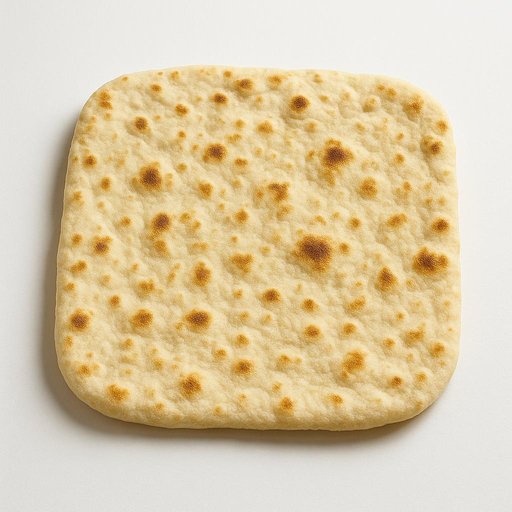
이탈리아 플랫브레드 공급업체 및 가격 — 마켓 오버뷰 2026
원재료
우유, 우유 버터, 분유, 올리브 기름, +3
HS 코드
190590
최종 업데이트
2026-10-02
서치 및 소싱 팀을 위한 핵심 요약
- 이탈리아에 대한 샘플 수출 거래 5건이 요약되어 있습니다.
- 이탈리아의 플랫브레드에 대해 수출 파트너 기업(제조사 포함) 15개와 수입 파트너 기업 41개가 매핑되어 있습니다.
- 수출 파트너 국가 5개와 수입 파트너 국가 5개가 랭킹되어 있습니다.
- 이 페이지 데이터셋의 최신 기준 연도는 2024입니다.
- 페이지 데이터 최종 업데이트일: 2026-10-02.
이탈리아의 플랫브레드 수출 공급업체·제조사 인텔리전스, 가격 동향, 무역 흐름
이탈리아의 플랫브레드에 대해 수출 파트너 기업 15개가 추적됩니다. Supply Chain Intelligence 회사 프로필 및 분석으로 수출업체 커버리지, 파트너 품질, 경로 우선순위를 검증하세요.
이탈리아에서의 플랫브레드 수출 인텔리전스를 확인하세요. 샘플 공급업체 거래 5건, 월간 단가 범위, HS 코드 190590의 파트너 국가 무역 흐름 패턴을 포함합니다.
스캐터 포인트는 전체 거래 데이터셋의 17.9%에서 샘플링되었습니다. 각 점은 실제 거래입니다. 가입하고 확인해 보세요 — 적정한 거래였는지 AI에게 물어볼 수도 있습니다.
이탈리아의 플랫브레드 샘플 수출 공급업체·제조사 거래 기록
이탈리아의 플랫브레드 샘플 거래 5건에는 수출 가격과 공급업체 거래 패턴 벤치마킹을 위한 날짜, 원산지, 파트너 국가 맥락이 포함됩니다.
이탈리아의 플랫브레드 샘플 거래 단가(일자별): 2026-09-29: 8.66 USD / kg, 2026-09-29: 8.47 USD / kg, 2026-08-03: 6.84 USD / kg, 2026-07-27: 7.36 USD / kg, 2026-07-27: 6.78 USD / kg.
| 일자 | 신고 품목 | 단가 | 수출업체 | 수입업체 | |
|---|---|---|---|---|---|
| 2026-09-29 | [빵류* ************** ***** | 8.66 USD / kg | (이탈리아) | (대한민국) | |
| 2026-09-29 | [빵류* ************ ***** | 8.47 USD / kg | (이탈리아) | (대한민국) | |
| 2026-08-03 | [빵류* ************** ***** | 6.84 USD / kg | (이탈리아) | (대한민국) | |
| 2026-07-27 | [빵류* *** ** *************** ***** | 7.36 USD / kg | (이탈리아) | (대한민국) | |
| 2026-07-27 | [빵류* *** ** **************** ***** | 6.78 USD / kg | (이탈리아) | (대한민국) |
이 5건은 샘플입니다 — 트릿지에 가입하고 이탈리아 플랫브레드 거래를 확인하세요
필요한 거래의 수출·수입업체와 가격을 확인하고, 적정한 거래였는지 AI에게 묻고, AI Curation으로 만들어 보세요.
이탈리아의 상위 플랫브레드 수출 공급업체, 제조사 및 기업
선도 수출업체 프로필을 검토하고 이탈리아의 플랫브레드에 대해 추적되는 전체 수출 파트너 기업 15개와 비교하세요. Supply Chain Intelligence 회사 프로필 및 분석으로 소싱 및 수출 파트너를 더 빠르게 선별할 수 있습니다.
(이탈리아)
최근 수출 거래: 2026-09-02
임직원 규모: 직원 101 - 500명
매출액: 매출 USD 10M - 50M
산업군: 식품 제조, 식음료 서비스업, 식품 도매
밸류체인 역할: 유통 / 도매, 식품 제조, 소매, 무역
(이탈리아)
최근 수출 거래: 2026-09-02
산업군: 식음료 서비스업
밸류체인 역할: 기타
(이탈리아)
최근 수출 거래: 2026-09-02
임직원 규모: 직원 11 - 50명
매출액: 매출 USD 5M - 10M
산업군: 음료 제조, 식품 제조, 식품 포장
밸류체인 역할: 유통 / 도매, 식품 제조
(이탈리아)
최근 수출 거래: 2026-09-02
산업군: 식품 제조, 식음료 서비스업, 기타
밸류체인 역할: 식품 제조, 물류, 기타
(이탈리아)
최근 수출 거래: 2026-09-02
임직원 규모: 직원 11 - 50명
매출액: 매출 USD 5M - 10M
산업군: 식품 도매
밸류체인 역할: 유통 / 도매, 무역
(이탈리아)
최근 수출 거래: 2026-09-02
임직원 규모: 직원 51 - 100명
산업군: 기타
밸류체인 역할: 유통 / 도매
트릿지 아이에서 전체 그림 보기: 가격·거래 전체 이력 · 725,009+ 기업 프로필
이탈리아 수출 파트너 커버리지
15개 기업
총 수출 파트너 기업 수는 이탈리아의 플랫브레드 수출 네트워크 깊이를 보여주는 핵심 신호입니다.
수출업체와 수입업체는 공급망 인텔리전스 기업 프로필 및 분석을 열어 이탈리아 내 플랫브레드 파트너 집중도, 공급 역량 시그널, 무역 관련성을 평가할 수 있습니다.
이탈리아 내 플랫브레드의 연간 수출 금액, 물량 및 공급업체 시장 규모 (HS 코드 190590)
이탈리아의 플랫브레드 수출 물량/금액 3년치를 분석해 공급 측 시장 성장, 계절성, 무역 변동성을 평가하세요.
| 연도 | 물량 | 금액 |
|---|---|---|
| 2024 | 578,457,307 | 2,857,119,355 USD |
| 2023 | 525,908,522 | 2,542,982,047 USD |
| 2022 | 525,368,790 | 2,211,345,284 USD |
이탈리아에서 수출되는 플랫브레드의 주요 수출 대상 시장 (HS 코드 190590) 2024
2024년 기준, 이탈리아발 플랫브레드 수출의 상위 목적지국 5개 전반에서 수출 물량과 금액을 비교하세요.
| 순위 | 국가 | 물량 | 금액 |
|---|---|---|---|
| 1 | 독일 | 96,552,427 | 444,128,557.799 USD |
| 2 | 프랑스 | 89,569,473 | 434,765,465.678 USD |
| 3 | 미국 | 43,389,954 | 271,648,926.028 USD |
| 4 | 영국 | 55,283,727 | 266,946,761.529 USD |
| 5 | 스페인 | 27,983,593 | 130,882,098.981 USD |
소싱 진단
이탈리아산 플랫브레드, 우리도 들여올 수 있을까요?
필요한 스펙과 물량만 알려주세요. 실제로 소싱이 되는지, 어떤 원산지와 공급사가 맞는지 짚어드려요.
무료 진단, 계정 없이 이용 가능합니다.
이탈리아의 플랫브레드 수입 바이어 인텔리전스 및 가격 시그널: 바이어, 수요, 거래 파트너
이탈리아의 플랫브레드에 대해 수입 파트너 기업 41개가 추적됩니다. 수출업체와 수입업체는 Supply Chain Intelligence 회사 프로필 및 분석을 활용해 바이어 수요, 파트너 밀도, 다운스트림 채널을 분석할 수 있습니다.
스캐터 포인트는 전체 거래 데이터셋의 51.1%에서 샘플링되었습니다. 각 점은 실제 거래입니다. 가입하고 확인해 보세요 — 적정한 거래였는지 AI에게 물어볼 수도 있습니다.
플랫브레드의 이탈리아 샘플 수입 거래 및 가격 기록
이탈리아의 플랫브레드 샘플 수입 거래 5건은 가격 수준과 수요 측 거래 패턴 벤치마킹을 위한 날짜, 원산지, 무역 국가 맥락을 제공합니다.
이탈리아의 플랫브레드 샘플 수입 거래 단가(일자별): 2026-06-29: 2.29 USD / kg, 2026-06-29: 2.42 USD / kg, 2026-06-29: 4.00 USD / kg, 2026-06-29: 1.95 USD / kg, 2026-06-29: 2.25 USD / kg.
| 일자 | 신고 품목 | 단가 | 수출업체 | 수입업체 | 원산지 | |
|---|---|---|---|---|---|---|
| 2026-06-29 | OTH******** ******* ******** ******** ******** ** **** ****** ******* ****** | 2.29 USD / kg | (-) | (-) | - | |
| 2026-06-29 | OTH******** ******* ******** ******** ******** ** **** ******* ****** | 2.42 USD / kg | (-) | (-) | - | |
| 2026-06-29 | OTH******** ******* ******** ******** ******** ** ***** ******* ****** | 4.00 USD / kg | (-) | (-) | - | |
| 2026-06-29 | OTH******** ******* ******** ******** ******** ** **** ***** ******* *** ******* | 1.95 USD / kg | (-) | (-) | - | |
| 2026-06-29 | OTH******** ******* ******** ******** ******** ** **** ******* ****** | 2.25 USD / kg | (-) | (-) | - |
이 5건은 샘플입니다 — 트릿지에 가입하고 이탈리아 플랫브레드 거래를 확인하세요
필요한 거래의 수출·수입업체와 가격을 확인하고, 적정한 거래였는지 AI에게 묻고, AI Curation으로 만들어 보세요.
이탈리아 내 상위 플랫브레드 바이어, 수입업체 및 수요 파트너
선도 바이어 프로필을 검토하고 이탈리아의 플랫브레드에 대해 추적되는 전체 수입 파트너 기업 41개와 비교하세요. 수출업체와 수입업체는 Supply Chain Intelligence 회사 프로필 및 분석으로 수요 측 파트너 적합도를 평가할 수 있습니다.
(이탈리아)
최근 수입 거래: 2026-09-02
임직원 규모: 직원 101 - 500명
매출액: 매출 USD 50M - 100M
산업군: 식품 제조, 기타
밸류체인 역할: 식품 제조, 기타
(이탈리아)
최근 수입 거래: 2026-09-02
임직원 규모: 직원 1000명 초과
산업군: 기타
밸류체인 역할: 식품 제조
(이탈리아)
최근 수입 거래: 2026-09-02
임직원 규모: 직원 11 - 50명
매출액: 매출 USD 5M - 10M
산업군: 식품 제조, 기타
밸류체인 역할: 식품 제조
(이탈리아)
최근 수입 거래: 2026-09-02
매출액: 매출 USD 50M - 100M
산업군: 식품 제조, 기타
밸류체인 역할: 식품 제조, 기타
(이탈리아)
최근 수입 거래: 2026-09-02
산업군: 식품 제조, 식음료 서비스업
밸류체인 역할: 유통 / 도매, 식품 제조, 소매
(이탈리아)
최근 수입 거래: 2026-09-02
임직원 규모: 직원 1000명 초과
산업군: 식품 제조, 기타
밸류체인 역할: 식품 제조, 기타
트릿지 아이에서 전체 그림 보기: 가격·거래 전체 이력 · 725,009+ 기업 프로필
이탈리아 수입 파트너 커버리지
41개 기업
수입 파트너 기업 수는 이탈리아의 플랫브레드 수요 측 가시성을 보여줍니다.
공급망 인텔리전스 분석과 기업 프로필을 활용해 이탈리아에서 활동 중인 플랫브레드 수입업체, 유통업체, 바이어 네트워크를 식별하세요.
이탈리아 내 플랫브레드의 연간 수입 금액, 물량 및 수요 규모 (HS 코드 190590)
이탈리아의 플랫브레드 수입 물량/금액 3년치를 추적해 수요 성장과 시장 모멘텀을 평가하세요.
| 연도 | 물량 | 금액 |
|---|---|---|
| 2024 | 258,920,562 | 826,626,002 USD |
| 2023 | 256,020,555 | 832,690,950 USD |
| 2022 | 250,185,108 | 689,108,053 USD |
이탈리아에 플랫브레드를 공급하는 주요 원산지 공급국 (HS 코드 190590) 2024
2024년 기준, 이탈리아로 플랫브레드를 공급하는 상위 원산 공급국 5개 전반의 수입 물량과 금액을 비교하세요.
| 순위 | 국가 | 물량 | 금액 |
|---|---|---|---|
| 1 | 독일 | 87,840,019 | 232,160,797.974 USD |
| 2 | 프랑스 | 40,217,077 | 134,227,401.445 USD |
| 3 | 벨기에 | 25,348,437 | 111,325,758.15 USD |
| 4 | 스페인 | 31,989,363 | 108,926,100.105 USD |
| 5 | 폴란드 | 13,546,199 | 61,245,201.637 USD |
수출 진단
우리 플랫브레드, 이 이탈리아 바이어들에게 팔 수 있을까요?
만드시는 제품만 알려주시면 됩니다. 지금 수출할 준비가 됐는지, 어느 시장이 맞는지 봐드려요.
무료 진단, 계정 없이 이용 가능합니다.
가격 데이터
이탈리아 플랫브레드 가격, 어디까지 필요하세요?
전체 가격 히스토리와 경쟁사 벤치마크를 열어드립니다. 어떤 숫자가 필요하신지만 말씀해 주시면 함께 살펴봐 드려요.
Classification
Product TypeProcessed Food
Product FormBaked (Ambient Packaged)
Industry PositionFinished Consumer Food Product
Market
Flatbread in Italy includes traditional and industrial products, with piadina as a prominent sub-category. Piadina Romagnola IGP has defined product characteristics, processing steps, and a protected production area in Emilia-Romagna (Romagna). Packaged flatbreads from Italian producers such as Mulino Bianco, Loriana, and Roberto are commonly sold through modern retail and are often packed in protective atmosphere, with some products also using surface ethyl alcohol treatment. Market access and compliance are strongly shaped by EU rules on consumer food information (including allergens) and controls on contaminants in cereal-based foods, alongside mandatory acrylamide mitigation measures for baked carbohydrate-rich foods.
Market RoleMajor domestic producer and consumer market
Domestic RoleConvenience bakery staple sold as fresh and packaged flatbread for household meals and foodservice use
SeasonalityYear-round production and availability for packaged and fresh flatbread products.
Specification
Primary VarietyPiadina Romagnola IGP
Secondary Variety
- Piadina Romagnola (alla Riminese) IGP typology
- Industrial packaged piadina/flatbread wraps (e.g., Granpiada; Piadelle)
Physical Attributes
- Amber cooking spots (small, evenly distributed) for the standard IGP typology
- Large cooking bubbles with non-uniform distribution for the Riminese IGP typology
- Standard IGP typology: compact, rigid and friable
- Riminese IGP typology: soft and flexible
Compositional Metrics
- Ingredient declarations commonly include soft wheat flour, water, salt, and vegetable oils; some products are positioned as whole-wheat or formulated without animal fats.
- Some packaged flatbreads are surface-treated with ethyl alcohol and packed in protective atmosphere as part of shelf-life strategy.
Packaging
- Heat-sealed bags/pouches packed in protective atmosphere (MAP) for packaged piadina/flatbread
- Selected packaged products are treated with ethyl alcohol on the surface (as declared on-pack/product pages)
Supply Chain
Value Chain
- Flour & ingredient sourcing → dough mixing → portioning → lamination/sheeting → baking on hot plate/oven → cooling → protective-atmosphere packaging → distribution to retail and foodservice
Temperature
- Packaged flatbreads are typically distributed without a full cold chain; handling focus is on preventing overheating and maintaining packaging integrity to preserve texture.
Atmosphere Control
- Protective-atmosphere packaging (MAP) is explicitly used for packaged piadina/flatbread, including IGP disciplinare-aligned packaging and major branded products.
Shelf Life
- Shelf-life support commonly relies on protective-atmosphere packaging; some branded products also declare surface ethyl alcohol treatment as an additional shelf-life measure.
Freight IntensityHigh
Transport ModeLand
Risks
Food Safety HighNon-compliance with EU maximum levels for contaminants relevant to cereal-based foods (including mycotoxins such as deoxynivalenol) can trigger border refusal, withdrawal, or recall in the Italian/EU market.Implement an incoming-ingredient and finished-product monitoring plan aligned to EU contaminant limits; require supplier certificates of analysis and conduct periodic third-party testing for risk-relevant mycotoxins.
Chemical Safety MediumBaked carbohydrate-rich foods are subject to EU acrylamide mitigation measures and benchmark-level monitoring; inadequate process control (time/temperature, recipe design) can create compliance and customer-acceptance risk.Document an acrylamide control plan (recipe and baking controls), validate mitigation steps, and trend internal testing results against EU benchmark-level expectations.
Regulatory Compliance MediumLabeling non-compliance (especially allergens and mandatory particulars for prepacked foods) can lead to enforcement action and product withdrawal from Italian retail channels.Run pre-print label verification against Regulation (EU) No 1169/2011 requirements, including allergen emphasis, language rules for the Italian market, and nutrition declarations where applicable.
Logistics MediumPackaged flatbread is freight-intensive (bulky relative to value); road freight and fuel volatility can materially affect landed cost and promotional pricing programs in modern retail.Use lane-based freight contracts, optimize pallet density and packaging formats, and plan buffer inventory for promotional peaks to reduce expediting and partial-load shipments.
Labor And Social MediumLabor exploitation risks in parts of Italy’s agricultural labor market (caporalato) can create reputational and buyer-audit risk when upstream ingredients or services intersect with vulnerable labor supply chains.Apply supplier due diligence and social-audit screening for agricultural inputs and key subcontractors; include contractual labor-compliance clauses and grievance mechanisms.
Sustainability
- Deforestation-free due diligence may be relevant if formulations include EUDR-covered commodities and derivatives (e.g., palm oil or soy), requiring supply chain documentation for affected ingredients.
Labor & Social
- Italy has documented labor exploitation risks in parts of the agricultural sector (caporalato); while flatbread manufacturing is typically industrial, upstream raw-material sourcing and subcontracted services can require enhanced due diligence.
Standards
- BRCGS Global Standard for Food Safety
- FSSC 22000
FAQ
What distinguishes Piadina Romagnola IGP in Italy’s flatbread market?Piadina Romagnola IGP is a protected regional flatbread with a defined production area in Romagna and a disciplinare that specifies product typologies and characteristics (including thickness/diameter ranges, surface appearance, and processing steps such as lamination and baking), plus packaging requirements such as protective-atmosphere packing after cooling.
Which EU rules most commonly drive compliance requirements for packaged flatbread sold in Italy?Key requirements come from EU rules on food information to consumers (including allergens and mandatory particulars for prepacked foods) and from EU food-safety frameworks covering official controls and limits for certain contaminants, alongside EU requirements to apply mitigation measures to reduce acrylamide in baked carbohydrate-rich foods.
What packaging and shelf-life practices are commonly declared for Italian packaged flatbreads?Major branded Italian flatbread products commonly declare packaging in protective atmosphere (MAP), and some also declare surface ethyl alcohol treatment as part of their shelf-life strategy.
Sources


수출·소싱 진단
이탈리아 플랫브레드, 사는 쪽이세요 파는 쪽이세요?
어느 쪽이든 몇 가지만 답해주시면 됩니다. 어디서 살 수 있는지, 누구에게 팔 수 있는지 정리해서 보내드릴게요.
무료 진단, 계정 없이 이용 가능합니다.
'쿠키 허용'을 클릭하면 통계 및 개인 선호도 산출을 위한 쿠키 제공에 동의하게 됩니다.
개인정보 보호정책에서 쿠키에 대한 자세한 내용을 확인할 수 있습니다.