Ascorbic Acid Suppliers & Prices in Belgium — Market Overview 2026
Parent Product
Vitamin C
Derived Products
Blackcurrant Drink, Plum Juice Drink, Long Life Fruit Juice Drink, Orange Fruit Cups, +3
Last Updated
2026-09-17
Key takeaways for search and sourcing teams
- 5 sampled export transactions for Belgium are summarized.
- Page data last updated on 2026-09-17.
Ascorbic Acid Export Supplier Intelligence, Price Trends, and Trade Flows in Belgium
2 export partner companies are tracked for Ascorbic Acid in Belgium. Use Supply Chain Intelligence company profiles and analytics to validate exporter coverage, partner quality, and route priorities.
Explore Ascorbic Acid export intelligence in Belgium, including 5 sampled supplier transactions, monthly unit-price ranges, and partner-country trade flow patterns for HS Code -.
Scatter points are sampled from 49.1% of the full transaction dataset.
Sample Export Supplier Transaction Records for Ascorbic Acid in Belgium
5 sampled Ascorbic Acid transactions in Belgium include date, origin, and partner-country context to benchmark export prices and supplier trading patterns.
Ascorbic Acid sampled transaction unit prices by date in Belgium: 2026-02-11: 9.41 USD / kg, 2026-02-06: 5.72 USD / kg, 2026-02-06: 5.72 USD / kg, 2026-02-06: 5.72 USD / kg, 2026-02-06: 5.72 USD / kg.
| Date | Reported Product | Unit Price | Exporter | Importer | |
|---|---|---|---|---|---|
| 2026-02-11 | SLA** ******** ***** ** *** ******** ***** ** ** *** *** ******* ********* ******** ****** *** **** *** * ** ********** ***** | 9.41 USD / kg | (Belgium) | (United States) | |
| 2026-02-06 | SLA** ******** **** ***** **** ** **** ** *** ****** *** ** ***** ** ** *** ******* ********* ******** ***** ****** *** * ** ********** ***** | 5.72 USD / kg | (Belgium) | (United States) | |
| 2026-02-06 | SLA** ******** **** ***** **** ** **** ** *** ****** *** ** ***** ** ** *** ******* ********* ******** ***** ****** *** * ** ********** ***** | 5.72 USD / kg | (Belgium) | (United States) | |
| 2026-02-06 | SLA** ******** **** ***** **** ** **** ** *** ****** *** ** ***** ** ** *** ******* ********* ******** ***** ****** *** * ** ********** ***** | 5.72 USD / kg | (Belgium) | (United States) | |
| 2026-02-06 | SLA** ******** **** ***** **** ** **** ** *** ****** *** ** ***** ** ** *** ******* ********* ******** ***** ****** *** * ** ********** ***** | 5.72 USD / kg | (Belgium) | (United States) |
Top Ascorbic Acid Export Suppliers and Companies in Belgium
Review leading exporter profiles and benchmark them against 2 total export partner companies tracked for Ascorbic Acid in Belgium. Use Supply Chain Intelligence company profiles and analytics to shortlist sourcing and export partners faster.
(Belgium)
Latest Export Transaction: 2026-08-17
Employee Size: Over 1000 Employees
Sales Revenue: USD Over 1B
Industries: Food ManufacturingFood PackagingFood Wholesalers
Value Chain Roles: Distribution / WholesaleFood ManufacturingHORECA
(Belgium)
Latest Export Transaction: 2025-10-14
Recently Export Partner Companies: 4
Employee Size: 101 - 500 Employees
Industries: Animal ProductionFood Manufacturing
Value Chain Roles: Food ManufacturingTrade
Belgium Export Partner Coverage
2 companies
Total export partner company count is a core signal of Belgium export network depth for Ascorbic Acid.
Exporters and importers can open Supply Chain Intelligence company profiles and analytics to assess Ascorbic Acid partner concentration, capacity signals, and trade relevance in Belgium.
Sourcing diagnosis
Could you be importing Ascorbic Acid from Belgium yourself?
Just tell us your spec and the volume you need. We'll check whether it's actually sourceable, and which origins and suppliers fit.
Free diagnosis, no account required.
Export diagnosis
Your Ascorbic Acid — could it sell to these buyers in Belgium?
Just tell us what you make. We'll see whether you're ready to export today and which markets suit your offer.
Free diagnosis, no account required.
Price data
Which Ascorbic Acid prices in Belgium do you need?
We'll open up the full price history and competitor benchmarks. Just tell us which numbers you need and we'll walk you through them.
Classification
Product TypeIngredient
Product FormPowder (crystalline)
Industry PositionFood and Nutraceutical Ingredient
Market
Ascorbic acid (vitamin C) in Belgium is primarily an imported B2B ingredient used in dietary supplements, food and beverage manufacturing (including antioxidant applications), and pharmaceutical/excipient supply chains. As an EU single-market member, Belgium follows EU-wide rules for food supplements and food additives (including purity criteria) with national enforcement and market surveillance by Belgian competent authorities. Belgium’s role as a logistics and distribution hub (notably via Antwerp-Bruges) supports import warehousing and intra-EU distribution of ingredients. Market access is driven less by seasonality and more by documentary compliance, verified specifications (food-additive or pharmacopoeial grade), and consistent lot-level traceability.
Market RoleImport-dependent formulation and distribution market within the EU
Domestic RoleDownstream ingredient for supplement formulation, food manufacturing, and pharmaceutical/excipient use
Specification
Primary VarietyL-ascorbic acid (vitamin C)
Secondary Variety
- Sodium ascorbate
- Calcium ascorbate
Physical Attributes
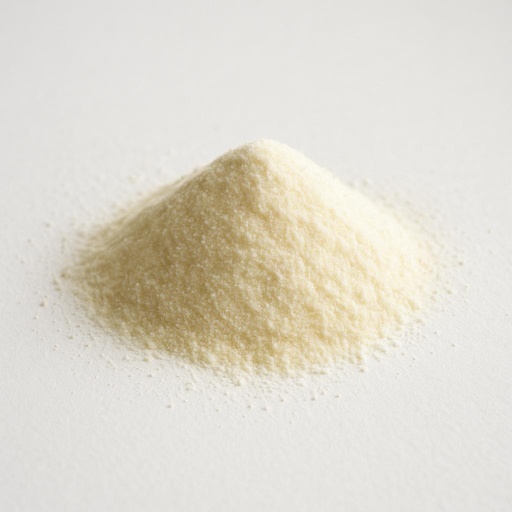
- White to slightly yellow crystalline powder
- Moisture- and light-sensitive; prone to oxidation (potency loss) if poorly protected
- Water-soluble; handled as a dry ingredient requiring low-humidity storage
Compositional Metrics
- Assay (vitamin C content) and identification testing per applicable grade standard
- Impurity profile controls (e.g., related substances) aligned to intended use (food vs. pharma)
- Moisture/loss-on-drying and stability-related checks important for shelf-life and finished-dose accuracy
Grades
- Food additive grade (E300) meeting EU purity criteria
- Pharmaceutical grade meeting European Pharmacopoeia specifications
- Feed/technical grades where applicable (not interchangeable with food/pharma without requalification)
Packaging
- Moisture-barrier inner liner (e.g., polyethylene) within outer carton/drum
- Packaging and labeling designed to protect from light and humidity and preserve potency through distribution
- Lot/batch identifiers on outer packaging aligned to CoA and traceability records
Supply Chain
Value Chain
- Overseas producer → EU importer/distributor (Belgium warehousing and release testing as needed) → B2B supply to supplement/food/pharma manufacturers → formulation/processing → finished goods distribution
Temperature
- Store cool and dry; avoid heat exposure that accelerates degradation
- Humidity control during storage and handling to prevent caking and potency loss
Atmosphere Control
- Oxygen and light exposure management (e.g., sealed packaging; minimize open handling time)
- Good warehouse practices to avoid cross-contamination and moisture ingress
Shelf Life
- Shelf-life is strongly influenced by moisture, oxygen, and light exposure; poor packaging integrity can lead to measurable potency loss before use
Freight IntensityLow
Transport ModeSea
Risks
Regulatory Compliance HighA shipment can be blocked from market release in Belgium if the delivered grade and documentation do not match the intended regulatory use (e.g., food additive E300 purity criteria vs. supplement ingredient expectations vs. pharmaceutical/excipient pharmacopoeial requirements), or if the impurity/purity profile fails buyer or official-control checks.Define intended use up front (food additive vs supplement vs pharma), qualify the supplier to the correct standard, and require lot-specific CoA and supporting compliance statements before dispatch.
Supply Concentration MediumGlobal ascorbic acid supply is concentrated in a limited number of producer regions, increasing exposure to sudden price swings and availability shocks that can affect Belgian/EU manufacturers’ continuity of supply.Qualify multiple suppliers and maintain safety stock policies aligned to lead times and release-testing requirements.
Food Safety MediumPotency loss from oxidation and non-conforming impurity profiles (including contamination risks in poor-quality supply chains) can cause batch failures, finished-product non-compliance, or recalls in Belgium/EU markets.Use moisture- and oxygen-protective packaging, verify stability handling requirements, and perform incoming QC (identity, assay, key impurities) per intended grade.
Logistics MediumTransit delays, poor container conditions, or humidity ingress can degrade quality (caking/potency loss) and disrupt just-in-time production schedules for Belgian manufacturers.Specify moisture-protection requirements in shipping terms (liner integrity, desiccants as appropriate), and apply receiving inspections and controlled storage upon arrival.
Documentation Gap LowMissing or inconsistent batch identifiers across invoice/packing list/CoA/SDS can trigger clearance delays and buyer rejection even when product quality is acceptable.Run a pre-shipment document reconciliation checklist and ensure consistent lot/batch coding across all documents and labels.
Sustainability
- Energy and carbon footprint scrutiny for industrial vitamin production and EU customer ESG reporting expectations
- Wastewater and chemical process effluent management expectations in upstream manufacturing audits
- Packaging waste reduction expectations in EU supply chains (e.g., outer packaging optimization and recycling programs)
Labor & Social
- Supplier occupational health and safety (chemical plant/warehouse) auditing expectations for upstream producers
- Human-rights and labor due diligence expectations in global chemical supply chains (supplier codes of conduct, auditability, grievance mechanisms)
Standards
- ISO 9001 (quality management) commonly requested in B2B ingredient supply
- FSSC 22000 / ISO 22000 (food safety management) for food ingredient supply chains
- GMP (dietary supplement ingredient) requested by supplement manufacturers
- EXCiPACT (pharmaceutical excipient certification) requested by some pharma supply chains
FAQ
Which rules most commonly matter for selling ascorbic acid-based products in Belgium?Belgium applies EU rules for food supplements when vitamin C is used in supplements, and EU food additive rules (including purity criteria) when ascorbic acid is used as a food additive/antioxidant (often referenced as E300). For pharmaceutical/excipient supply, buyers commonly expect European Pharmacopoeia-aligned specifications and quality documentation.
What documents do Belgian buyers typically expect for imported ascorbic acid?Belgian/EU industrial buyers typically expect a commercial invoice, packing list, transport document, and a lot-specific Certificate of Analysis tied to the shipped batch. Depending on the buyer and use case, an SDS and origin documentation may also be required, and regulated end uses often require stronger traceability and quality agreements.
Is Halal or Kosher certification required for ascorbic acid in Belgium?It is generally not universally required in Belgium, but it can be conditionally relevant if the ingredient is used in products targeted to specific consumer segments or channels. Requirements are usually set by the customer program rather than by Belgian law.
Other Ascorbic Acid Country Markets for Supplier, Export, and Price Comparison from Belgium
Compare Ascorbic Acid supplier coverage, trade flows, and price benchmarks across countries related to Belgium.


Export & sourcing diagnosis
Ascorbic Acid in Belgium — are you buying, or selling?
Either way it's a few questions. We'll come back with where you could buy it, or who you could sell it to.
Free diagnosis, no account required.
Related Ascorbic Acid Product Categories
Browse parent, sub, derived, and raw-material product market pages related to Ascorbic Acid.
Parent product: Vitamin C
By clicking “Accept Cookies,” I agree to provide cookies for statistical and personalized preference purposes. To learn more about our cookies, please read our Privacy Policy.