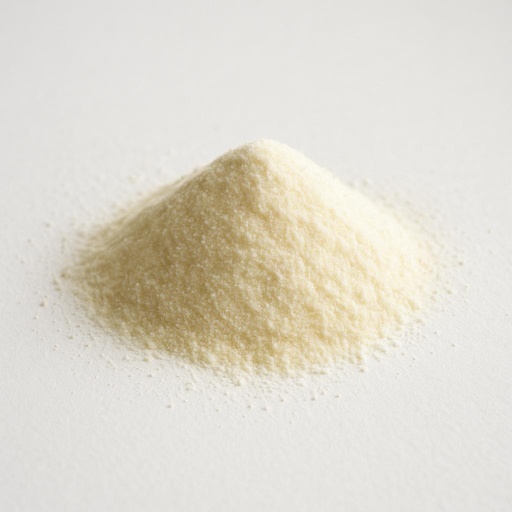
Ascorbic Acid Suppliers & Prices in Ecuador — Market Overview 2026
Parent Product
Vitamin C
Derived Products
Blackcurrant Drink, Plum Juice Drink, Long Life Fruit Juice Drink, Orange Fruit Cups, +3
Last Updated
2026-09-17
Key takeaways for search and sourcing teams
- 5 sampled export transactions for Ecuador are summarized.
- 74 export partner companies and 12 import partner companies are mapped for Ascorbic Acid in Ecuador.
- Page data last updated on 2026-09-17.
Ascorbic Acid Export Supplier Intelligence, Price Trends, and Trade Flows in Ecuador
74 export partner companies are tracked for Ascorbic Acid in Ecuador. Use Supply Chain Intelligence company profiles and analytics to validate exporter coverage, partner quality, and route priorities.
Explore Ascorbic Acid export intelligence in Ecuador, including 5 sampled supplier transactions, monthly unit-price ranges, and partner-country trade flow patterns for HS Code -.
Scatter points are sampled from 72.7% of the full transaction dataset.
Sample Export Supplier Transaction Records for Ascorbic Acid in Ecuador
5 sampled Ascorbic Acid transactions in Ecuador include date, origin, and partner-country context to benchmark export prices and supplier trading patterns.
Ascorbic Acid sampled transaction unit prices by date in Ecuador: 2026-04-17: 152.92 USD / kg, 2026-01-05: 70.64 USD / kg, 2025-12-15: 27.10 USD / kg, 2025-12-15: 27.05 USD / kg, 2025-12-15: 26.23 USD / kg.
| Date | Reported Product | Unit Price | Exporter | Importer | |
|---|---|---|---|---|---|
| 2026-04-17 | SUP******* *********** ****** ************ ****** * **** * ** * ****** | 152.92 USD / kg | (Ecuador) | (Panama) | |
| 2026-01-05 | BIO * | 70.64 USD / kg | (Ecuador) | (Costa Rica) | |
| 2025-12-15 | SUP******* *********** ****** ************ ****** * **** * ** * | 27.10 USD / kg | (Ecuador) | (Panama) | |
| 2025-12-15 | SUP******* *********** ****** ************ ****** * **** * ** * | 27.05 USD / kg | (Ecuador) | (Panama) | |
| 2025-12-15 | SUP******* *********** ****** ************ ****** * **** * ** * | 26.23 USD / kg | (Ecuador) | (Panama) |
Top Ascorbic Acid Export Suppliers and Companies in Ecuador
Review leading exporter profiles and benchmark them against 74 total export partner companies tracked for Ascorbic Acid in Ecuador. Use Supply Chain Intelligence company profiles and analytics to shortlist sourcing and export partners faster.
(Ecuador)
Latest Export Transaction: 2025-09-24
Recently Export Partner Companies: 3
Industries: Animal ProductionFood ManufacturingFood Packaging
Value Chain Roles: Distribution / WholesaleFarming / Production / Processing / PackingFood Manufacturing
(Ecuador)
Latest Export Transaction: 2026-08-17
Employee Size: 51 - 100 Employees
Industries: Others
Value Chain Roles: Distribution / Wholesale
(Ecuador)
Latest Export Transaction: 2026-08-17
Employee Size: 101 - 500 Employees
Sales Revenue: USD 50M - 100M
Industries: Food Manufacturing
Value Chain Roles: Distribution / Wholesale
(Ecuador)
Latest Export Transaction: 2026-08-17
Industries: Beverage ManufacturingBrokers And Trade AgenciesCrop ProductionFood ManufacturingFood Packaging
Value Chain Roles: Farming / Production / Processing / PackingFood ManufacturingTrade
(Ecuador)
Latest Export Transaction: 2026-08-17
Industries: Others
Value Chain Roles: Distribution / Wholesale
(Ecuador)
Latest Export Transaction: 2026-08-17
Sales Revenue: USD 5M - 10M
Industries: Fishing AquacultureFood ManufacturingFood Packaging
Value Chain Roles: Farming / Production / Processing / PackingFood ManufacturingTrade
Ecuador Export Partner Coverage
74 companies
Total export partner company count is a core signal of Ecuador export network depth for Ascorbic Acid.
Exporters and importers can open Supply Chain Intelligence company profiles and analytics to assess Ascorbic Acid partner concentration, capacity signals, and trade relevance in Ecuador.
Sourcing diagnosis
Could you be importing Ascorbic Acid from Ecuador yourself?
Just tell us your spec and the volume you need. We'll check whether it's actually sourceable, and which origins and suppliers fit.
Free diagnosis, no account required.
Ascorbic Acid Import Buyer Intelligence and Price Signals in Ecuador: Buyers, Demand, and Trade Partners
12 import partner companies are tracked for Ascorbic Acid in Ecuador. Exporters and importers can use Supply Chain Intelligence company profiles and analytics to analyze buyer demand, partner density, and downstream channels.
Scatter points are sampled from 48.0% of the full transaction dataset.
Sample Import Transaction and Price Records for Ascorbic Acid in Ecuador
5 sampled Ascorbic Acid import transactions in Ecuador provide date, origin, and trade-country context to benchmark price levels and demand-side trading patterns.
Ascorbic Acid sampled import transaction unit prices by date in Ecuador: 2025-12-16: 26.20 USD / kg, 2025-12-12: 124.92 USD / kg, 2025-12-10: 16.08 USD / kg, 2025-12-09: 3.93 USD / kg, 2025-12-03: 6.49 USD / kg.
| Date | Reported Product | Unit Price | Exporter | Importer | Origin | |
|---|---|---|---|---|---|---|
| 2025-12-16 | VIT***** * ********* | 26.20 USD / kg | (-) | (-) | - | |
| 2025-12-12 | L A******* **** ** ****** ** *** ** | 124.92 USD / kg | (-) | (-) | - | |
| 2025-12-10 | ACI** ********* | 16.08 USD / kg | (-) | (-) | - | |
| 2025-12-09 | VIT***** * ******** **** **** | 3.93 USD / kg | (-) | (-) | - | |
| 2025-12-03 | ASC***** **** *** | 6.49 USD / kg | (-) | (-) | - |
Top Ascorbic Acid Buyers, Importers, and Demand Partners in Ecuador
Review leading buyer profiles and compare them with 12 total import partner companies tracked for Ascorbic Acid in Ecuador. Exporters and importers can use Supply Chain Intelligence company profiles and analytics to evaluate demand-side partner fit.
(Ecuador)
Latest Import Transaction: 2026-08-17
Industries: Others
Value Chain Roles: Trade
(Ecuador)
Latest Import Transaction: 2026-08-17
Recently Import Partner Companies: 1
Industries: Others
Value Chain Roles: Food Manufacturing
(Ecuador)
Latest Import Transaction: 2026-01-11
Recently Import Partner Companies: 11
Industries: Animal ProductionFood ManufacturingFood Packaging
Value Chain Roles: Distribution / WholesaleFarming / Production / Processing / PackingFood Manufacturing
(Ecuador)
Latest Import Transaction: 2026-08-17
Employee Size: Over 1000 Employees
Sales Revenue: USD Over 1B
Industries: Food ManufacturingFood Services And Drinking PlacesFood WholesalersOthers
Value Chain Roles: Distribution / WholesaleFood ManufacturingRetail
(Ecuador)
Latest Import Transaction: 2026-08-17
Employee Size: 1 - 10 Employees
Industries: Food WholesalersOthers
Value Chain Roles: Distribution / WholesaleTrade
(Ecuador)
Latest Import Transaction: 2026-08-17
Industries: Others
Value Chain Roles: Distribution / Wholesale
Ecuador Import Partner Coverage
12 companies
Import partner company count highlights demand-side visibility for Ascorbic Acid in Ecuador.
Use Supply Chain Intelligence analytics and company profiles to identify active Ascorbic Acid importers, distributors, and buyer networks in Ecuador.
Export diagnosis
Your Ascorbic Acid — could it sell to these buyers in Ecuador?
Just tell us what you make. We'll see whether you're ready to export today and which markets suit your offer.
Free diagnosis, no account required.
Price data
Which Ascorbic Acid prices in Ecuador do you need?
We'll open up the full price history and competitor benchmarks. Just tell us which numbers you need and we'll walk you through them.
Classification
Product TypeIngredient
Product FormCrystalline powder
Industry PositionNutraceutical and food ingredient
Market
Ascorbic acid (vitamin C) in Ecuador is primarily an import-supplied ingredient used in dietary supplements and in food and beverage manufacturing as an antioxidant and fortification input. Market access and commercialization depend heavily on correct product classification (ingredient vs. finished supplement) and meeting Ecuador’s sanitary and labeling expectations for regulated products. Importers and local distributors typically handle customs clearance and supply to supplement brand owners, contract manufacturers/packers, and food processors. The main structural exposure for Ecuador buyers is reliance on overseas manufacturing and the resulting sensitivity to global supply disruptions and compliance documentation gaps.
Market RoleNet importer
Domestic RoleImported micronutrient ingredient used for dietary supplements and as a functional food ingredient (antioxidant/fortification) in local manufacturing and finished-product imports
Market GrowthNot Mentioned
Specification
Physical Attributes
- White to off-white crystalline powder; hygroscopic tendency requires moisture-protective packaging and storage
Compositional Metrics
- Typically specified to recognized compendial/food-ingredient standards (e.g., USP for supplement/pharma-grade; FCC/Codex-aligned specifications for food use) with batch Certificate of Analysis
Grades
- USP/EP (supplement/pharmaceutical grade) — when required by buyer specification
- Food grade (FCC / food-ingredient specifications) — for food and beverage applications
Packaging
- Moisture-barrier inner liner (e.g., sealed PE bag) inside drum/carton; batch/lot code and expiry/best-before labeling on outer pack
Supply Chain
Value Chain
- Overseas manufacturer → exporter → international freight → Ecuador importer of record → customs clearance → distributor/warehouse → supplement/food manufacturers or finished-product distribution
Temperature
- Store in cool, dry conditions and protect from heat and direct light to reduce degradation and caking risk
Shelf Life
- Shelf stability is driven by moisture ingress control; maintain sealed packaging integrity and apply FIFO with lot-level traceability
Freight IntensityLow
Transport ModeSea
Risks
Regulatory Compliance HighMisalignment between product category (bulk ingredient vs. finished dietary supplement) and Ecuador’s sanitary/labeling requirements can block commercialization and trigger detention, rework, or enforcement action.Confirm classification and applicable ARCSA pathway before shipment; align Spanish labels/claims for finished supplements and maintain a complete importer document pack (COA, SDS, specs, origin).
Market Supply MediumEcuador’s import dependence exposes buyers to global supply concentration risk (overseas plant outages, export constraints, and sharp price swings), which can disrupt continuity for supplement and food manufacturers.Dual-source qualified suppliers, keep safety stock for critical SKUs, and contract with clear quality/spec and lead-time clauses.
Food Safety MediumQuality failures (potency shortfall, moisture-related caking/degradation, or non-conforming grade) can lead to batch rejection and downstream product non-compliance in regulated channels.Require compendial/food-grade compliance as applicable, verify COA per lot, and implement incoming QC with moisture-controlled storage.
Logistics LowDocumentation mismatches (HS code, product description, net weight, or lot identifiers) can cause customs clearance delays and demurrage costs even for compact cargo.Run a pre-shipment document reconciliation checklist and ensure consistent lot/batch identifiers across invoice, packing list, COA, and labels.
Sustainability
- Upstream manufacturing environmental management (chemical handling and effluent control) — request supplier EHS documentation and audit evidence for high-risk origins
Labor & Social
- Supply-chain labor due diligence for overseas chemical manufacturing (working hours, subcontracting) — request third-party social compliance evidence where relevant
Standards
- GMP (dietary supplements manufacturing)
- ISO 22000 / FSSC 22000 (food ingredient supply chains)
FAQ
Is Ecuador mainly a producer or an importer of ascorbic acid (vitamin C) for supplements?Ecuador is best treated as an import-dependent market for ascorbic acid supply. Trade-flow references such as ITC Trade Map can be used to verify Ecuador’s import patterns under the HS 2936 (vitamins) family and identify main supplier origins.
What is the biggest compliance risk when bringing vitamin C products to market in Ecuador?The biggest risk is misclassifying the product and missing the applicable sanitary and labeling requirements—especially when the product is a finished dietary supplement sold to consumers. ARCSA is the key authority to check for the correct authorization pathway and labeling expectations.
What documentation is most important for importing bulk ascorbic acid into Ecuador?Importers typically rely on standard customs documents (invoice, packing list, bill of lading/air waybill) plus technical documentation such as a Safety Data Sheet and a batch Certificate of Analysis. SENAE procedures govern the customs filing and clearance steps, and regulated finished products may require ARCSA authorization.
Other Ascorbic Acid Country Markets for Supplier, Export, and Price Comparison from Ecuador
Compare Ascorbic Acid supplier coverage, trade flows, and price benchmarks across countries related to Ecuador.


Export & sourcing diagnosis
Ascorbic Acid in Ecuador — are you buying, or selling?
Either way it's a few questions. We'll come back with where you could buy it, or who you could sell it to.
Free diagnosis, no account required.
Related Ascorbic Acid Product Categories
Browse parent, sub, derived, and raw-material product market pages related to Ascorbic Acid.
Parent product: Vitamin C
By clicking “Accept Cookies,” I agree to provide cookies for statistical and personalized preference purposes. To learn more about our cookies, please read our Privacy Policy.