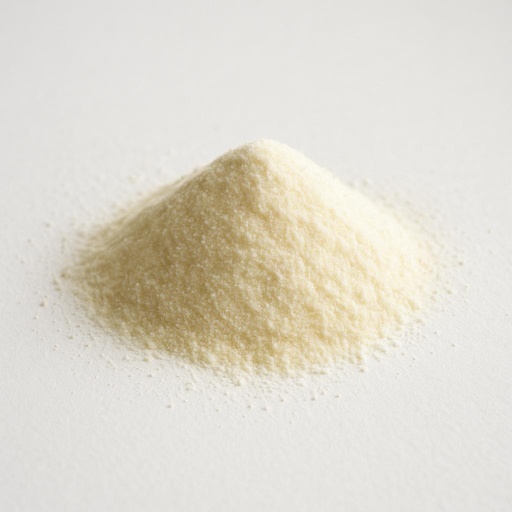
Ascorbic Acid Suppliers & Prices in Colombia — Market Overview 2026
Parent Product
Vitamin C
Derived Products
Blackcurrant Drink, Plum Juice Drink, Long Life Fruit Juice Drink, Orange Fruit Cups, +3
Last Updated
2026-09-17
Key takeaways for search and sourcing teams
- 5 sampled export transactions for Colombia are summarized.
- 53 export partner companies and 14 import partner companies are mapped for Ascorbic Acid in Colombia.
- Page data last updated on 2026-09-17.
Ascorbic Acid Export Supplier Intelligence, Price Trends, and Trade Flows in Colombia
53 export partner companies are tracked for Ascorbic Acid in Colombia. Use Supply Chain Intelligence company profiles and analytics to validate exporter coverage, partner quality, and route priorities.
Explore Ascorbic Acid export intelligence in Colombia, including 5 sampled supplier transactions, monthly unit-price ranges, and partner-country trade flow patterns for HS Code -.
Scatter points are sampled from 100.0% of the full transaction dataset.
Sample Export Supplier Transaction Records for Ascorbic Acid in Colombia
5 sampled Ascorbic Acid transactions in Colombia include date, origin, and partner-country context to benchmark export prices and supplier trading patterns.
Ascorbic Acid sampled transaction unit prices by date in Colombia: 2026-02-13: 81.45 USD / kg, 2025-11-25: 22.27 USD / kg, 2025-09-17: 18.04 USD / kg, 2025-09-11: 16.54 USD / kg, 2025-09-11: 16.54 USD / kg.
| Date | Reported Product | Unit Price | Exporter | Importer | |
|---|---|---|---|---|---|
| 2026-02-13 | MED********* **** ******* ****** * ******** * ***** * * * * | 81.45 USD / kg | (Colombia) | (Costa Rica) | |
| 2025-11-25 | SUP******* ** ******** * | 22.27 USD / kg | (Colombia) | (Ecuador) | |
| 2025-09-17 | VIT***** * *** ** * ******* ** ******** ** *** | 18.04 USD / kg | (Colombia) | (Costa Rica) | |
| 2025-09-11 | CEB*** ***** ********** ***** | 16.54 USD / kg | (Colombia) | (Ecuador) | |
| 2025-09-11 | CEB*** ***** ********** ***** | 16.54 USD / kg | (Colombia) | (Ecuador) |
Top Ascorbic Acid Export Suppliers and Companies in Colombia
Review leading exporter profiles and benchmark them against 53 total export partner companies tracked for Ascorbic Acid in Colombia. Use Supply Chain Intelligence company profiles and analytics to shortlist sourcing and export partners faster.
(Colombia)
Latest Export Transaction: 2026-08-17
Employee Size: Over 1000 Employees
Sales Revenue: USD Over 1B
Industries: Animal ProductionFood Manufacturing
Value Chain Roles: Distribution / WholesaleFood Manufacturing
(Colombia)
Latest Export Transaction: 2026-08-17
Recently Export Partner Companies: 1
Industries: Others
Value Chain Roles: Distribution / Wholesale
(Colombia)
Latest Export Transaction: 2026-08-17
Employee Size: 11 - 50 Employees
Industries: Food Manufacturing
Value Chain Roles: Distribution / WholesaleFood Manufacturing
(Colombia)
Latest Export Transaction: 2026-08-17
Employee Size: Over 1000 Employees
Sales Revenue: USD Over 1B
Industries: Beverage ManufacturingFood ManufacturingFood PackagingOthers
Value Chain Roles: Distribution / WholesaleFood ManufacturingTrade
(Colombia)
Latest Export Transaction: 2026-08-17
Employee Size: 51 - 100 Employees
Industries: Others
Value Chain Roles: Trade
(Colombia)
Latest Export Transaction: 2026-08-17
Industries: Beverage ManufacturingCrop ProductionFood ManufacturingFood PackagingOthers
Value Chain Roles: Distribution / WholesaleFarming / Production / Processing / PackingFood ManufacturingRetailTrade
Colombia Export Partner Coverage
53 companies
Total export partner company count is a core signal of Colombia export network depth for Ascorbic Acid.
Exporters and importers can open Supply Chain Intelligence company profiles and analytics to assess Ascorbic Acid partner concentration, capacity signals, and trade relevance in Colombia.
Sourcing diagnosis
Could you be importing Ascorbic Acid from Colombia yourself?
Just tell us your spec and the volume you need. We'll check whether it's actually sourceable, and which origins and suppliers fit.
Free diagnosis, no account required.
Ascorbic Acid Import Buyer Intelligence and Price Signals in Colombia: Buyers, Demand, and Trade Partners
14 import partner companies are tracked for Ascorbic Acid in Colombia. Exporters and importers can use Supply Chain Intelligence company profiles and analytics to analyze buyer demand, partner density, and downstream channels.
Scatter points are sampled from 55.6% of the full transaction dataset.
Sample Import Transaction and Price Records for Ascorbic Acid in Colombia
5 sampled Ascorbic Acid import transactions in Colombia provide date, origin, and trade-country context to benchmark price levels and demand-side trading patterns.
Ascorbic Acid sampled import transaction unit prices by date in Colombia: 2025-09-24: 16.92 USD / kg, 2025-09-10: 5.63 USD / kg, 2025-09-08: 15.44 USD / kg, 2025-09-03: 535.50 USD / kg, 2025-09-01: 24.42 USD / kg.
| Date | Reported Product | Unit Price | Exporter | Importer | Origin | |
|---|---|---|---|---|---|---|
| 2025-09-24 | ASC***** **** ** ** ** *** | 16.92 USD / kg | (-) | (-) | - | |
| 2025-09-10 | VIT***** * * *** ********** ******** * * *** ********** ************ * ********** ********* * ************ *** ********* ********* *** ************ ********** * *** ********* ********** ************** **** ********** ********* * ** ***** * | 5.63 USD / kg | (-) | (-) | - | |
| 2025-09-08 | VIT***** * * *** ********** ******** * * *** ********** ************ * ********** ********* * ************ *** ********* ********* *** ************ ********** * *** ********* ********** ************** **** ********** ********* * ** ***** * | 15.44 USD / kg | (-) | (-) | - | |
| 2025-09-03 | VIT***** * * *** ********** ******** * * *** ********** ************ * ********** ********* * ************ *** ********* ********* *** ************ ********** * *** ********* ********** ************** **** ********** ********* * ** ***** * | 535.50 USD / kg | (-) | (-) | - | |
| 2025-09-01 | VIT***** * * *** ********** ******** * * *** ********** ************ * ********** ********* * ************ *** ********* ********* *** ************ ********** * *** ********* ********** ************** **** ********** ********* * ** ***** * | 24.42 USD / kg | (-) | (-) | - |
Top Ascorbic Acid Buyers, Importers, and Demand Partners in Colombia
Review leading buyer profiles and compare them with 14 total import partner companies tracked for Ascorbic Acid in Colombia. Exporters and importers can use Supply Chain Intelligence company profiles and analytics to evaluate demand-side partner fit.
(Colombia)
Latest Import Transaction: 2026-08-17
Industries: Food ManufacturingFood PackagingOthers
Value Chain Roles: Farming / Production / Processing / PackingFood Manufacturing
(Colombia)
Latest Import Transaction: 2026-08-17
Employee Size: 501 - 1000 Employees
Industries: Beverage ManufacturingFood ManufacturingFood Packaging
Value Chain Roles: Distribution / WholesaleFood ManufacturingRetail
(Colombia)
Latest Import Transaction: 2026-08-17
Recently Import Partner Companies: 1
Industries: Others
Value Chain Roles: Distribution / Wholesale
(Colombia)
Latest Import Transaction: 2026-08-17
Industries: Animal ProductionFood Manufacturing
Value Chain Roles: Distribution / WholesaleTrade
(Colombia)
Latest Import Transaction: 2026-08-17
Recently Import Partner Companies: 1
Employee Size: 101 - 500 Employees
Sales Revenue: USD Over 1B
Industries: Beverage ManufacturingFood ManufacturingFood PackagingFood WholesalersOthers
Value Chain Roles: Distribution / WholesaleFood Manufacturing
(Colombia)
Latest Import Transaction: 2026-08-17
Employee Size: Over 1000 Employees
Sales Revenue: USD 500M - 1B
Industries: Others
Value Chain Roles: Distribution / Wholesale
Colombia Import Partner Coverage
14 companies
Import partner company count highlights demand-side visibility for Ascorbic Acid in Colombia.
Use Supply Chain Intelligence analytics and company profiles to identify active Ascorbic Acid importers, distributors, and buyer networks in Colombia.
Export diagnosis
Your Ascorbic Acid — could it sell to these buyers in Colombia?
Just tell us what you make. We'll see whether you're ready to export today and which markets suit your offer.
Free diagnosis, no account required.
Price data
Which Ascorbic Acid prices in Colombia do you need?
We'll open up the full price history and competitor benchmarks. Just tell us which numbers you need and we'll walk you through them.
Classification
Product TypeIngredient
Product FormPowder (crystalline)
Industry PositionFood, nutraceutical, and pharmaceutical ingredient (vitamin C)
Market
Ascorbic acid (vitamin C) in Colombia is primarily an imported ingredient used to manufacture dietary supplements and to fortify foods and beverages, with additional use in pharmaceutical preparations. Market access and continuity depend heavily on importer/manufacturer documentation (e.g., certificate of analysis) and on regulatory compliance for intended use and labeling, overseen by INVIMA. The market is exposed to upstream supply concentration risk because industrial vitamin C output is globally concentrated, which can translate into price volatility and availability shocks for Colombian buyers. For risk control, buyers typically emphasize pharmacopeial/food-grade conformity evidence, lot traceability, and supplier quality certifications.
Market RoleNet importer (import-dependent ingredient market)
Domestic RoleInput ingredient for domestic manufacture of dietary supplements, fortified foods/beverages, and pharmaceutical products
Specification
Physical Attributes
- Typically traded as a white to off-white crystalline powder; buyers commonly specify appearance and foreign-matter limits
Compositional Metrics
- Assay/purity targets commonly aligned to pharmacopeial or food-grade specifications (e.g., USP/EP) supported by a lot-specific CoA
- Impurity and heavy-metal limits commonly specified for food, supplement, and pharmaceutical applications
Grades
- Food grade
- Pharmaceutical grade (USP/EP-aligned, when required by end use)
Packaging
- Moisture-barrier packaging (lined drums or multiwall bags) with lot/batch identification to support traceability
Supply Chain
Value Chain
- Overseas manufacturer → international freight → Colombian customs clearance (DIAN) → importer/distributor → domestic food/supplement/pharma manufacturer
Temperature
- Generally ambient-stable but quality is sensitive to heat and humidity exposure; keep dry and protected from excessive temperature
Atmosphere Control
- Moisture control is critical; packaging integrity is a key handling requirement during storage and inland transport
Shelf Life
- Shelf life is primarily packaging- and storage-condition dependent; buyers typically rely on CoA/expiry and FIFO inventory control
Freight IntensityLow
Transport ModeSea
Risks
Regulatory Compliance HighMisalignment between the intended end use (food fortification vs. dietary supplement vs. pharmaceutical) and the applicable Colombian regulatory pathway and labeling/claims requirements can block market entry, trigger detention, or force relabeling/reformulation under INVIMA oversight.Confirm intended use classification and labeling/claims strategy early; align product specs and dossiers accordingly; use an INVIMA-experienced regulatory partner and maintain a complete importer document pack (CoA/SDS/specs).
Supply Concentration MediumGlobal industrial vitamin C supply is concentrated in a limited number of producing countries and plants, increasing exposure to sudden availability and price shocks that can disrupt Colombian manufacturing continuity.Qualify multiple suppliers and origins; maintain safety stock sized to lead times; include contingency clauses and alternative grade approvals where feasible.
Food Safety MediumQuality nonconformance (e.g., assay shortfall, impurity/heavy metal out-of-spec, or documentation inconsistency) can lead to rejection by Colombian manufacturers or heightened scrutiny during import and downstream audits.Require pharmacopeial/food-grade conformity evidence as applicable, conduct inbound verification testing for high-risk lots, and ensure document-to-label consistency (lot, net weight, origin, expiry).
Standards
- ISO 22000
- FSSC 22000
- GMP
FAQ
Which Colombian authorities are most relevant for importing and placing vitamin C (ascorbic acid) products on the market?DIAN is the customs authority involved in import clearance, while INVIMA is the key authority for regulated market placement and compliance depending on the intended use (food, dietary supplement, or pharmaceutical).
What documents are commonly expected for ascorbic acid shipments into Colombia?Commonly expected documents include a commercial invoice, packing list, a lot-specific certificate of analysis (CoA), a safety data sheet (SDS), and a product specification sheet. A certificate of origin may also be needed in some cases.
What is the main deal-breaker risk for selling ascorbic acid into Colombia for supplement use?The biggest blocker is regulatory misalignment: if the intended use and labeling/claims do not match the applicable Colombian regulatory pathway under INVIMA oversight, shipments or finished products can face detention, required relabeling, or inability to commercialize.
Sources
Other Ascorbic Acid Country Markets for Supplier, Export, and Price Comparison from Colombia
Compare Ascorbic Acid supplier coverage, trade flows, and price benchmarks across countries related to Colombia.


Export & sourcing diagnosis
Ascorbic Acid in Colombia — are you buying, or selling?
Either way it's a few questions. We'll come back with where you could buy it, or who you could sell it to.
Free diagnosis, no account required.
Related Ascorbic Acid Product Categories
Browse parent, sub, derived, and raw-material product market pages related to Ascorbic Acid.
Parent product: Vitamin C
By clicking “Accept Cookies,” I agree to provide cookies for statistical and personalized preference purposes. To learn more about our cookies, please read our Privacy Policy.