필리핀 아스코르브산 공급업체 및 가격 — 마켓 오버뷰 2026
상위 제품
비타민 C
파생 제품
블랙커런트 음료, 자두 주스 음료, 장기 보관 과일 음료, 오렌지 과일 컵, +3
최종 업데이트
2026-09-17
서치 및 소싱 팀을 위한 핵심 요약
- 필리핀에 대한 샘플 수출 거래 5건이 요약되어 있습니다.
- 필리핀의 아스코르브산에 대해 수출 파트너 기업 143개와 수입 파트너 기업 7개가 매핑되어 있습니다.
- 페이지 데이터 최종 업데이트일: 2026-09-17.
필리핀 내 아스코르브산 수출 공급업체 인텔리전스, 가격 추이 및 무역 흐름
필리핀의 아스코르브산에 대해 수출 파트너 기업 143개가 추적됩니다. Supply Chain Intelligence 회사 프로필 및 분석으로 수출업체 커버리지, 파트너 품질, 경로 우선순위를 검증하세요.
필리핀에서의 아스코르브산 수출 인텔리전스를 확인하세요. 샘플 공급업체 거래 5건, 월간 단가 범위, HS 코드 -의 파트너 국가 무역 흐름 패턴을 포함합니다.
스캐터 포인트는 전체 거래 데이터셋의 100.0%에서 샘플링되었습니다.
아스코르브산의 필리핀 샘플 수출 공급업체 거래 기록
필리핀의 아스코르브산 샘플 거래 5건에는 수출 가격과 공급업체 거래 패턴 벤치마킹을 위한 날짜, 원산지, 파트너 국가 맥락이 포함됩니다.
필리핀의 아스코르브산 샘플 거래 단가(일자별): 2025-12-22: 88.18 USD / kg, 2025-12-15: 91.62 USD / kg, 2025-10-08: 5.09 USD / kg, 2025-10-08: 5.09 USD / kg, 2025-09-18: 5.09 USD / kg.
| 일자 | 신고 품목 | 단가 | 수출업체 | 수입업체 | |
|---|---|---|---|---|---|
| 2025-12-22 | AD * **** ******** **** | 88.18 USD / kg | (필리핀) | (싱가포르) | |
| 2025-12-15 | PAR* ** ** ****** ******** **** *** | 91.62 USD / kg | (필리핀) | (싱가포르) | |
| 2025-10-08 | PAR* ** * ******* ******** **** *** | 5.09 USD / kg | (필리핀) | (싱가포르) | |
| 2025-10-08 | PAR* ** * ******* ******** **** *** | 5.09 USD / kg | (필리핀) | (싱가포르) | |
| 2025-09-18 | PAR* ** * ****** ******** **** *** | 5.09 USD / kg | (필리핀) | (싱가포르) |
필리핀 내 상위 아스코르브산 수출 공급업체 및 기업
선도 수출업체 프로필을 검토하고 필리핀의 아스코르브산에 대해 추적되는 전체 수출 파트너 기업 143개와 비교하세요. Supply Chain Intelligence 회사 프로필 및 분석으로 소싱 및 수출 파트너를 더 빠르게 선별할 수 있습니다.
(필리핀)
최근 수출 거래: 2025-12-15
최근 수출 파트너 기업: 2
임직원 규모: 직원 1000명 초과
매출액: 매출 USD 1B 초과
산업군: 음료 제조식품 제조식품 포장식음료 서비스업온라인 리테일 및 풀필먼트기타
밸류체인 역할: 유통 / 도매식품 제조소매무역
(필리핀)
최근 수출 거래: 2026-08-17
임직원 규모: 직원 101 - 500명
매출액: 매출 USD 10M - 50M
산업군: 식품 제조
밸류체인 역할: 유통 / 도매물류
(필리핀)
최근 수출 거래: 2026-08-17
임직원 규모: 직원 11 - 50명
산업군: 음료 제조식품 제조식품 포장
밸류체인 역할: 농업 / 생산 / 가공 / 포장식품 제조무역
(필리핀)
최근 수출 거래: 2026-08-17
최근 수출 파트너 기업: 1
임직원 규모: 직원 1000명 초과
매출액: 매출 USD 1B 초과
산업군: 작물 생산식품 제조
밸류체인 역할: 유통 / 도매농업 / 생산 / 가공 / 포장식품 제조
(필리핀)
최근 수출 거래: 2026-08-17
임직원 규모: 직원 1000명 초과
산업군: 음료 제조식품 제조
밸류체인 역할: 식품 제조무역
(필리핀)
최근 수출 거래: 2026-08-17
임직원 규모: 직원 51 - 100명
산업군: 음료 제조식품 제조식품 포장기타
밸류체인 역할: 유통 / 도매식품 제조무역
필리핀 수출 파트너 커버리지
143개 기업
총 수출 파트너 기업 수는 필리핀의 아스코르브산 수출 네트워크 깊이를 보여주는 핵심 신호입니다.
수출업체와 수입업체는 공급망 인텔리전스 기업 프로필 및 분석을 열어 필리핀 내 아스코르브산 파트너 집중도, 공급 역량 시그널, 무역 관련성을 평가할 수 있습니다.
소싱 진단
필리핀산 아스코르브산, 우리도 들여올 수 있을까요?
필요한 스펙과 물량만 알려주세요. 실제로 소싱이 되는지, 어떤 원산지와 공급사가 맞는지 짚어드려요.
무료 진단, 계정 없이 이용 가능합니다.
필리핀의 아스코르브산 수입 바이어 인텔리전스 및 가격 시그널: 바이어, 수요, 거래 파트너
필리핀의 아스코르브산에 대해 수입 파트너 기업 7개가 추적됩니다. 수출업체와 수입업체는 Supply Chain Intelligence 회사 프로필 및 분석을 활용해 바이어 수요, 파트너 밀도, 다운스트림 채널을 분석할 수 있습니다.
스캐터 포인트는 전체 거래 데이터셋의 31.3%에서 샘플링되었습니다.
아스코르브산의 필리핀 샘플 수입 거래 및 가격 기록
필리핀의 아스코르브산 샘플 수입 거래 5건은 가격 수준과 수요 측 거래 패턴 벤치마킹을 위한 날짜, 원산지, 무역 국가 맥락을 제공합니다.
필리핀의 아스코르브산 샘플 수입 거래 단가(일자별): 2026-02-26: 3.58 USD / kg, 2026-02-13: 5.85 USD / kg, 2026-02-09: 22.93 USD / kg, 2026-02-04: 3.71 USD / kg, 2026-02-03: 3.71 USD / kg.
| 일자 | 신고 품목 | 단가 | 수출업체 | 수입업체 | 원산지 | |
|---|---|---|---|---|---|---|
| 2026-02-26 | ASC***** **** ****** | 3.58 USD / kg | (-) | (-) | - | |
| 2026-02-13 | ASC***** **** ** *** | 5.85 USD / kg | (-) | (-) | - | |
| 2026-02-09 | ASC***** **** ******** *** ***** | 22.93 USD / kg | (-) | (-) | - | |
| 2026-02-04 | ASC***** **** | 3.71 USD / kg | (-) | (-) | - | |
| 2026-02-03 | ASC***** **** ** | 3.71 USD / kg | (-) | (-) | - |
필리핀 내 상위 아스코르브산 바이어, 수입업체 및 수요 파트너
선도 바이어 프로필을 검토하고 필리핀의 아스코르브산에 대해 추적되는 전체 수입 파트너 기업 7개와 비교하세요. 수출업체와 수입업체는 Supply Chain Intelligence 회사 프로필 및 분석으로 수요 측 파트너 적합도를 평가할 수 있습니다.
(필리핀)
최근 수입 거래: 2026-08-17
산업군: 음료 제조식품 제조식음료 서비스업
밸류체인 역할: 유통 / 도매농업 / 생산 / 가공 / 포장식품 제조호레카물류소매무역
(필리핀)
최근 수입 거래: 2026-08-17
임직원 규모: 직원 1000명 초과
매출액: 매출 USD 1B 초과
산업군: 식품 제조식음료 서비스업온라인 리테일 및 풀필먼트
밸류체인 역할: 유통 / 도매식품 제조무역
(필리핀)
최근 수입 거래: 2026-01-04
최근 수입 파트너 기업: 2
임직원 규모: 직원 1000명 초과
매출액: 매출 USD 1B 초과
산업군: 작물 생산식품 제조
밸류체인 역할: 유통 / 도매농업 / 생산 / 가공 / 포장식품 제조
(필리핀)
최근 수입 거래: 2026-06-11
최근 수입 파트너 기업: 6
임직원 규모: 직원 1000명 초과
매출액: 매출 USD 1B 초과
산업군: 음료 제조식품 제조식품 포장식음료 서비스업온라인 리테일 및 풀필먼트기타
밸류체인 역할: 유통 / 도매식품 제조소매무역
(필리핀)
최근 수입 거래: 2026-08-17
임직원 규모: 직원 101 - 500명
산업군: 기타
밸류체인 역할: 식품 제조
(필리핀)
최근 수입 거래: 2026-08-17
최근 수입 파트너 기업: 3
임직원 규모: 직원 51 - 100명
매출액: 매출 USD 10M - 50M
산업군: 음료 제조식품 제조식음료 서비스업
밸류체인 역할: 유통 / 도매식품 제조소매
필리핀 수입 파트너 커버리지
7개 기업
수입 파트너 기업 수는 필리핀의 아스코르브산 수요 측 가시성을 보여줍니다.
공급망 인텔리전스 분석과 기업 프로필을 활용해 필리핀에서 활동 중인 아스코르브산 수입업체, 유통업체, 바이어 네트워크를 식별하세요.
수출 진단
우리 아스코르브산, 이 필리핀 바이어들에게 팔 수 있을까요?
만드시는 제품만 알려주시면 됩니다. 지금 수출할 준비가 됐는지, 어느 시장이 맞는지 봐드려요.
무료 진단, 계정 없이 이용 가능합니다.
가격 데이터
필리핀 아스코르브산 가격, 어디까지 필요하세요?
전체 가격 히스토리와 경쟁사 벤치마크를 열어드립니다. 어떤 숫자가 필요하신지만 말씀해 주시면 함께 살펴봐 드려요.
Classification
Product TypeIngredient
Product FormPowder (crystalline)
Industry PositionNutraceutical/Food Ingredient
Market
Ascorbic acid (vitamin C) in the Philippines is primarily an imported ingredient used by domestic manufacturers of food supplements and by food and beverage producers for fortification and antioxidant functionality. UN Comtrade data (via WITS) indicates the Philippines imports HS 293627 (vitamin C and its derivatives, unmixed), with China recorded as the leading supplier in recent years. Market access risk is driven less by agronomic factors and more by import documentation discipline and Philippine FDA establishment licensing when the trade is tied to regulated health product categories such as food supplements. Quality expectations commonly align with internationally recognized specifications (e.g., USP for assay/purity) alongside lot-level documentation (e.g., CoA) to manage adulteration and degradation risks.
Market RoleNet importer (import-dependent manufacturing and consumer market for supplements and fortified foods)
Domestic RoleUpstream input for domestic food supplement manufacturing and food/beverage fortification; limited evidence of significant domestic primary production in trade statistics for HS 293627
Specification
Physical Attributes
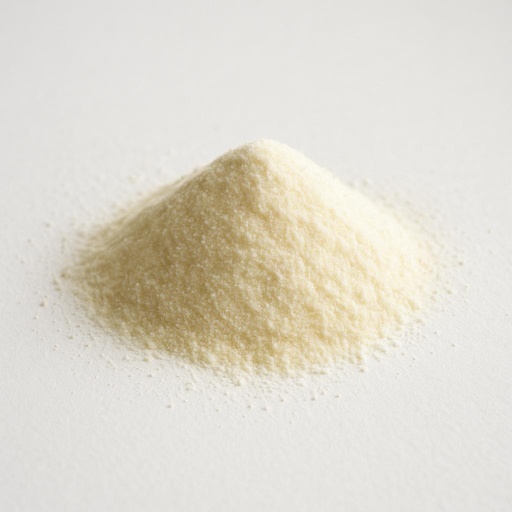
- Typically supplied as a white to slightly yellow crystalline powder; sensitive to oxidation and moisture uptake, so packaging integrity and dry storage are important for quality retention.
Compositional Metrics
- USP monograph benchmark: Ascorbic Acid contains not less than 99.0% and not more than 100.5% of C6H8O6 (USP-NF monograph).
- Common buyer QC checks include assay/purity, identification, moisture loss, and contaminant screening aligned to pharmacopeial or buyer specifications.
Grades
- Supplement/pharmacopeial grade (e.g., USP/NF-conformant)
- Food-use additive reference: Codex GSFA lists L-ascorbic acid (INS 300) with antioxidant and acidity-regulator functions across multiple food categories.
Packaging
- Industrial packaging with moisture-barrier inner liner (e.g., lined bags or fiber drums) is commonly used to reduce oxidation and humidity exposure during distribution.
Supply Chain
Value Chain
- Overseas manufacturer → international freight → Philippine port/airport arrival → Bureau of Customs goods declaration and any required agency clearances → importer/distributor warehousing → delivery to Philippine supplement/food manufacturers
Temperature
- Typically handled as an ambient-stable dry ingredient; protect from heat and humidity to reduce degradation.
Atmosphere Control
- Minimize exposure to air and light; reseal promptly after opening and use moisture/oxygen-barrier packaging where feasible.
Shelf Life
- Degradation risk increases with humidity, heat, and repeated opening; lot rotation and sealed, dry storage are important for maintaining assay and functionality.
Freight IntensityLow
Transport ModeSea
Risks
Regulatory Compliance HighShipments can be delayed, held, or refused if the importer cannot demonstrate correct customs documentation and any required agency clearances; for food-supplement-related trade, Philippine FDA establishment licensing (LTO) is a gating compliance requirement for covered importers/distributors.Confirm the importer’s Philippine FDA LTO applicability early (especially if tied to food supplements), align HS classification and declared end-use, and run a pre-shipment document checklist (B/L or AWB, invoice, packing list, SDV where applicable, and any required permits/clearances).
Supply Concentration MediumImport dependence creates exposure to origin-country supply and pricing shocks; UN Comtrade (via WITS) shows a high share of Philippines HS 293627 imports sourced from China in 2023.Dual-source approved suppliers across multiple origins and maintain safety stock policies aligned to manufacturing lead times.
Food Safety MediumQuality failures (degradation, contamination, or adulteration) can propagate into supplements and fortified foods, creating recall and enforcement risk.Require lot-specific CoA, specify pharmacopeial/buyer limits (e.g., USP assay benchmarks), and implement incoming QC testing and supplier audits proportional to risk.
Logistics MediumCustoms and port delays or weather-related disruptions can interrupt manufacturing supply continuity even for low freight-intensity ingredients.Use forwarders experienced with regulated imports, plan buffer lead times around peak congestion and severe-weather periods, and maintain contingency transport options for urgent replenishment.
Sustainability
- Scope 3 emissions and supplier energy/wastewater stewardship screening for imported fermentation-based ingredients (buyer ESG due diligence theme).
- Supply-chain resilience to extreme weather events that can disrupt Philippine port/road logistics and downstream manufacturing continuity.
Labor & Social
- Counterfeit/adulterated supplement-input risk in informal channels; emphasize approved suppliers and documented quality systems.
- No widely cited, product-specific forced-labor or land-use controversy is uniquely associated with ascorbic acid; the principal social risk is integrity and compliance within the trading chain.
Standards
- GMP (food or pharma-appropriate)
- HACCP-based systems
- ISO 22000 / FSSC 22000 (supplier certification commonly used in buyer qualification)
FAQ
Is the Philippines a net importer of ascorbic acid (vitamin C) under HS 293627?Yes. UN Comtrade data presented via the World Bank WITS platform shows the Philippines importing HS 293627 (vitamin C and its derivatives, unmixed) in 2023, with China recorded as the largest supplier by value and quantity.
What import documents are commonly required for shipping ascorbic acid into the Philippines?Customs documentation commonly includes a Bill of Lading or Air Waybill, Commercial Invoice (and/or payment document), Packing List, and a Supplemental Declaration on Valuation where applicable, plus any required clearances from concerned agencies if the commodity is regulated, as referenced by the Bureau of Customs and the Department of Trade and Industry import facilitation guidance.
If importing for the food supplement sector, what Philippine FDA licensing requirement is relevant?Philippine FDA Circular No. 2021-012 covers License to Operate (LTO) applications for food traders and food distributors, including importers of food supplements, through the FDA eServices Portal, making establishment licensing a key compliance checkpoint for covered importers.
Sources


수출·소싱 진단
필리핀 아스코르브산, 사는 쪽이세요 파는 쪽이세요?
어느 쪽이든 몇 가지만 답해주시면 됩니다. 어디서 살 수 있는지, 누구에게 팔 수 있는지 정리해서 보내드릴게요.
무료 진단, 계정 없이 이용 가능합니다.
'쿠키 허용'을 클릭하면 통계 및 개인 선호도 산출을 위한 쿠키 제공에 동의하게 됩니다.
개인정보 보호정책에서 쿠키에 대한 자세한 내용을 확인할 수 있습니다.