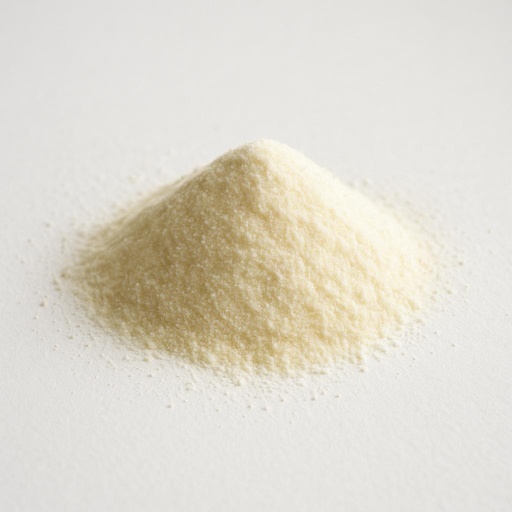
Ascorbic Acid Suppliers & Prices in New Zealand — Market Overview 2026
Parent Product
Vitamin C
Derived Products
Blackcurrant Drink, Plum Juice Drink, Long Life Fruit Juice Drink, Orange Fruit Cups, +3
Last Updated
2026-09-17
Key takeaways for search and sourcing teams
- 2 sampled export transactions for New Zealand are summarized.
- 2 export partner companies and 2 import partner companies are mapped for Ascorbic Acid in New Zealand.
- Page data last updated on 2026-09-17.
Ascorbic Acid Export Supplier Intelligence, Price Trends, and Trade Flows in New Zealand
2 export partner companies are tracked for Ascorbic Acid in New Zealand. Use Supply Chain Intelligence company profiles and analytics to validate exporter coverage, partner quality, and route priorities.
Explore Ascorbic Acid export intelligence in New Zealand, including 2 sampled supplier transactions, monthly unit-price ranges, and partner-country trade flow patterns for HS Code -.
Scatter points are sampled from 100.0% of the full transaction dataset.
Sample Export Supplier Transaction Records for Ascorbic Acid in New Zealand
2 sampled Ascorbic Acid transactions in New Zealand include date, origin, and partner-country context to benchmark export prices and supplier trading patterns.
Ascorbic Acid sampled transaction unit prices by date in New Zealand: 2025-12-18: 83.06 USD / kg, 2025-09-17: 114.47 USD / kg.
| Date | Reported Product | Unit Price | Exporter | Importer | |
|---|---|---|---|---|---|
| 2025-12-18 | [비타* ** *** * ************** * ***** | 83.06 USD / kg | (New Zealand) | (South Korea) | |
| 2025-09-17 | [비타* ** ***************** | 114.47 USD / kg | (New Zealand) | (South Korea) |
Top Ascorbic Acid Export Suppliers and Companies in New Zealand
Review leading exporter profiles and benchmark them against 2 total export partner companies tracked for Ascorbic Acid in New Zealand. Use Supply Chain Intelligence company profiles and analytics to shortlist sourcing and export partners faster.
(New Zealand)
Latest Export Transaction: 2026-08-17
Employee Size: 11 - 50 Employees
Sales Revenue: USD 1M - 5M
Industries: Others
Value Chain Roles: Distribution / Wholesale
(New Zealand)
Latest Export Transaction: 2026-08-17
Employee Size: 101 - 500 Employees
Sales Revenue: USD 5M - 10M
Industries: Beverage ManufacturingFood ManufacturingOthers
Value Chain Roles: Food ManufacturingOthers
New Zealand Export Partner Coverage
2 companies
Total export partner company count is a core signal of New Zealand export network depth for Ascorbic Acid.
Exporters and importers can open Supply Chain Intelligence company profiles and analytics to assess Ascorbic Acid partner concentration, capacity signals, and trade relevance in New Zealand.
Sourcing diagnosis
Could you be importing Ascorbic Acid from New Zealand yourself?
Just tell us your spec and the volume you need. We'll check whether it's actually sourceable, and which origins and suppliers fit.
Free diagnosis, no account required.
Ascorbic Acid Import Buyer Intelligence and Price Signals in New Zealand: Buyers, Demand, and Trade Partners
2 import partner companies are tracked for Ascorbic Acid in New Zealand. Exporters and importers can use Supply Chain Intelligence company profiles and analytics to analyze buyer demand, partner density, and downstream channels.
Scatter points are sampled from 100.0% of the full transaction dataset.
Sample Import Transaction and Price Records for Ascorbic Acid in New Zealand
5 sampled Ascorbic Acid import transactions in New Zealand provide date, origin, and trade-country context to benchmark price levels and demand-side trading patterns.
Ascorbic Acid sampled import transaction unit prices by date in New Zealand: 2025-09-20: 543.26 USD / kg, 2025-09-20: 543.26 USD / kg, 2025-09-20: 543.26 USD / kg, 2025-09-19: 543.26 USD / kg, 2025-09-12: 8.96 USD / kg.
| Date | Reported Product | Unit Price | Exporter | Importer | Origin | |
|---|---|---|---|---|---|---|
| 2025-09-20 | ASC***** ********* ******** ******************* ************* ************* ********** | 543.26 USD / kg | (-) | (-) | - | |
| 2025-09-20 | ASC***** ********* ******** ******************* ************* ************* ********** | 543.26 USD / kg | (-) | (-) | - | |
| 2025-09-20 | ASC***** ********* ******** ******************* ************* ************* ********** | 543.26 USD / kg | (-) | (-) | - | |
| 2025-09-19 | ASC***** ********* ******** ******************* ************* ************* ********** | 543.26 USD / kg | (-) | (-) | - | |
| 2025-09-12 | ASC***** **** ****** ******** | 8.96 USD / kg | (-) | (-) | - |
Top Ascorbic Acid Buyers, Importers, and Demand Partners in New Zealand
Review leading buyer profiles and compare them with 2 total import partner companies tracked for Ascorbic Acid in New Zealand. Exporters and importers can use Supply Chain Intelligence company profiles and analytics to evaluate demand-side partner fit.
(New Zealand)
Latest Import Transaction: 2026-08-17
Industries: Food ManufacturingOthers
Value Chain Roles: Food ManufacturingTrade
(New Zealand)
Latest Import Transaction: 2026-08-17
Employee Size: 11 - 50 Employees
Sales Revenue: USD 1M - 5M
Industries: Others
Value Chain Roles: Retail
New Zealand Import Partner Coverage
2 companies
Import partner company count highlights demand-side visibility for Ascorbic Acid in New Zealand.
Use Supply Chain Intelligence analytics and company profiles to identify active Ascorbic Acid importers, distributors, and buyer networks in New Zealand.
Export diagnosis
Your Ascorbic Acid — could it sell to these buyers in New Zealand?
Just tell us what you make. We'll see whether you're ready to export today and which markets suit your offer.
Free diagnosis, no account required.
Price data
Which Ascorbic Acid prices in New Zealand do you need?
We'll open up the full price history and competitor benchmarks. Just tell us which numbers you need and we'll walk you through them.
Classification
Product TypeIngredient
Product FormPowder (crystalline)
Industry PositionFood, supplement, and pharmaceutical input
Market
Ascorbic acid (vitamin C) in New Zealand is primarily an imported ingredient used in dietary supplements and also used in food manufacturing as an additive (additive number 300). Dietary supplements are regulated under the Dietary Supplements Regulations 1985 (Ministry of Health), which restrict therapeutic claims unless permitted under the Medicines Act 1981. For food uses, New Zealand adopts joint food standards of the Australia New Zealand Food Standards Code under the Food Act 2014, with amendments periodically adopted by the Minister for Food Safety. Practical market access hinges on correct regulatory classification (dietary supplement vs food vs medicine) and compliant labeling/advertising.
Market RoleImport-dependent consumer and manufacturing ingredient market (net importer)
Domestic RoleUsed by New Zealand supplement businesses (formulation/packing) and food manufacturers as a vitamin/antioxidant input, with compliance shaped by the Dietary Supplements Regulations 1985 and the adopted joint food standards for foods.
Specification
Primary VarietyVitamin C (L-ascorbic acid)
Secondary Variety
- Sodium ascorbate
- Calcium ascorbate
- Ascorbyl palmitate
Physical Attributes
- White to off-white crystalline powder
- Moisture-sensitive; protect from humidity
- Oxidation-sensitive; protect from heat and light
Compositional Metrics
- Specification typically managed through a certificate of analysis (e.g., identity, assay, and impurity limits) aligned to buyer requirements for food or supplement use
Grades
- Food-grade (for permitted food additive uses under joint food standards)
- Supplement ingredient grade (for dietary supplement products subject to Dietary Supplements Regulations 1985)
- Pharmaceutical grade (when supplied as a therapeutically active ingredient or for medicinal supply pathways)
Packaging
- Sealed moisture-barrier inner liner inside an outer carton/drum for bulk shipments
- Smaller moisture-barrier packs for contract manufacturing and repacking operations
Supply Chain
Value Chain
- Overseas manufacturer → international freight → New Zealand importer → bonded/3PL storage → (optional) local blending/encapsulation/tableting → domestic distribution → retail/online sale of finished supplements
Temperature
- Generally ambient transport and storage, with emphasis on cool, dry conditions and protection from heat/light to preserve potency
Shelf Life
- Shelf-life is sensitive to moisture ingress and oxidation; packaging integrity and humidity control are critical
Freight IntensityLow
Transport ModeSea
Risks
Regulatory Compliance HighIf a vitamin C product is supplied or advertised as intended for a therapeutic purpose (or makes therapeutic claims), it can fall under New Zealand’s medicines framework; dietary supplements are also restricted from therapeutic claims under the Dietary Supplements Regulations 1985 except as permitted by the Medicines Act 1981, creating a high risk of blocked marketing, enforcement action, or forced relabeling/withdrawal.Pre-clear product positioning and claims (including online listings) against the Dietary Supplements Regulations 1985 and Medsafe guidance; if therapeutic intent is unavoidable, pursue the appropriate medicines pathway instead of a dietary supplement pathway.
Labeling MediumNon-compliant label statements (especially implied therapeutic claims) can trigger corrective actions or removal from sale in New Zealand, even when the ingredient itself is permitted.Implement a claims-and-label review workflow that covers product label, website listings, and marketplace descriptions before shipment and before launch.
Documentation Gap MediumMissing or inconsistent batch documentation (e.g., CoA/lot identifiers) can delay release to downstream manufacturers and complicate recalls or customer audits.Require shipment-level CoA and lot traceability in supplier contracts; verify document consistency (product name, grade, batch, net weight) before dispatch.
Standards
- GMP
- HACCP
- ISO 22000 / FSSC 22000
FAQ
Can a vitamin C dietary supplement sold in New Zealand claim to treat or prevent disease (for example, colds)?Generally no. The Dietary Supplements Regulations 1985 restrict dietary supplements from being advertised or labelled with therapeutic claims (such as treating or preventing disease) except as permitted by the Medicines Act 1981, and Medsafe guidance emphasizes that products supplied as dietary supplements/natural health products must not be intended for a therapeutic purpose.
Do the Australia New Zealand Food Standards Code joint standards apply to dietary supplements in New Zealand?No. The Dietary Supplements Regulations 1985 state that the adopted joint food standards do not apply to dietary supplements, so dietary supplements follow their own regulatory settings rather than the joint food standards framework used for foods.
What food additive number is used for ascorbic acid in Australia New Zealand food standards materials?FSANZ consumer guidance references vitamin C (ascorbic acid) as additive number 300.
Sources
Other Ascorbic Acid Country Markets for Supplier, Export, and Price Comparison from New Zealand
Compare Ascorbic Acid supplier coverage, trade flows, and price benchmarks across countries related to New Zealand.


Export & sourcing diagnosis
Ascorbic Acid in New Zealand — are you buying, or selling?
Either way it's a few questions. We'll come back with where you could buy it, or who you could sell it to.
Free diagnosis, no account required.
Related Ascorbic Acid Product Categories
Browse parent, sub, derived, and raw-material product market pages related to Ascorbic Acid.
Parent product: Vitamin C
By clicking “Accept Cookies,” I agree to provide cookies for statistical and personalized preference purposes. To learn more about our cookies, please read our Privacy Policy.