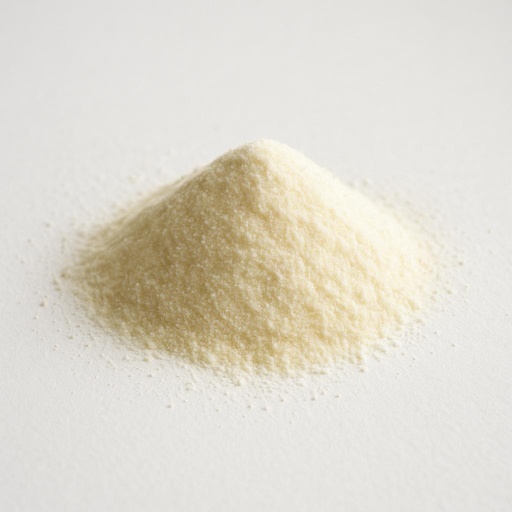
Ascorbic Acid Suppliers & Prices in Japan — Market Overview 2026
Parent Product
Vitamin C
Derived Products
Blackcurrant Drink, Plum Juice Drink, Long Life Fruit Juice Drink, Orange Fruit Cups, +3
Last Updated
2026-09-17
Key takeaways for search and sourcing teams
- 5 sampled export transactions for Japan are summarized.
- 4 export partner companies and 30 import partner companies are mapped for Ascorbic Acid in Japan.
- Page data last updated on 2026-09-17.
Ascorbic Acid Export Supplier Intelligence, Price Trends, and Trade Flows in Japan
4 export partner companies are tracked for Ascorbic Acid in Japan. Use Supply Chain Intelligence company profiles and analytics to validate exporter coverage, partner quality, and route priorities.
Explore Ascorbic Acid export intelligence in Japan, including 5 sampled supplier transactions, monthly unit-price ranges, and partner-country trade flow patterns for HS Code -.
Scatter points are sampled from 76.9% of the full transaction dataset.
Sample Export Supplier Transaction Records for Ascorbic Acid in Japan
5 sampled Ascorbic Acid transactions in Japan include date, origin, and partner-country context to benchmark export prices and supplier trading patterns.
Ascorbic Acid sampled transaction unit prices by date in Japan: 2025-11-26: 163.15 USD / kg, 2025-11-13: 6.36 USD / kg, 2025-11-10: 15.01 USD / kg, 2025-10-08: 455.87 USD / kg, 2025-10-08: 455.87 USD / kg.
| Date | Reported Product | Unit Price | Exporter | Importer | |
|---|---|---|---|---|---|
| 2025-11-26 | ПРО******** ** ********* ******** *** ******** * ********** ******* ********** ******** ************* ** ******** ** **************** ********* ** ********* ****** *** ******** * **** ***** ********* *** ** ********* * ********** *********** * ******** ** ** ******** ********** * * ******* * ** **** ******* | 163.15 USD / kg | (Japan) | (Ukraine) | |
| 2025-11-13 | БИО********* ******** ******* * **** ******* ** | 6.36 USD / kg | (Japan) | (Kazakhstan) | |
| 2025-11-10 | Asc***** **** ********* **** ******* ********** ******** ** * *** ** ********* | 15.01 USD / kg | (Japan) | (Vietnam) | |
| 2025-10-08 | iVC ********** * * *************** ******** *** ************* ** ********* * **** ***** ******** ************* **** ******** **** ********** *** | 455.87 USD / kg | (Japan) | (Vietnam) | |
| 2025-10-08 | iVC ********** * * *************** ******** *** ************* ** ********* * **** ***** ******** ************* **** ******** **** ********** *** | 455.87 USD / kg | (Japan) | (Vietnam) |
Top Ascorbic Acid Export Suppliers and Companies in Japan
Review leading exporter profiles and benchmark them against 4 total export partner companies tracked for Ascorbic Acid in Japan. Use Supply Chain Intelligence company profiles and analytics to shortlist sourcing and export partners faster.
(Japan)
Latest Export Transaction: 2026-08-17
Industries: Food ManufacturingFood Packaging
Value Chain Roles: Distribution / WholesaleFood ManufacturingTrade
(Japan)
Latest Export Transaction: 2026-08-17
Industries: Others
Value Chain Roles: Logistics
(Japan)
Latest Export Transaction: 2026-08-17
Industries: Food ManufacturingFood WholesalersOthers
Value Chain Roles: Distribution / WholesaleFood ManufacturingTrade
(Japan)
Latest Export Transaction: 2026-08-17
Employee Size: 1 - 10 Employees
Industries: Brokers And Trade AgenciesFood Wholesalers
Value Chain Roles: Distribution / WholesaleTrade
Japan Export Partner Coverage
4 companies
Total export partner company count is a core signal of Japan export network depth for Ascorbic Acid.
Exporters and importers can open Supply Chain Intelligence company profiles and analytics to assess Ascorbic Acid partner concentration, capacity signals, and trade relevance in Japan.
Sourcing diagnosis
Could you be importing Ascorbic Acid from Japan yourself?
Just tell us your spec and the volume you need. We'll check whether it's actually sourceable, and which origins and suppliers fit.
Free diagnosis, no account required.
Ascorbic Acid Import Buyer Intelligence and Price Signals in Japan: Buyers, Demand, and Trade Partners
30 import partner companies are tracked for Ascorbic Acid in Japan. Exporters and importers can use Supply Chain Intelligence company profiles and analytics to analyze buyer demand, partner density, and downstream channels.
Scatter points are sampled from 100.0% of the full transaction dataset.
Sample Import Transaction and Price Records for Ascorbic Acid in Japan
5 sampled Ascorbic Acid import transactions in Japan provide date, origin, and trade-country context to benchmark price levels and demand-side trading patterns.
Ascorbic Acid sampled import transaction unit prices by date in Japan: 2026-07-26: 39.90 USD / kg, 2026-07-15: 39.90 USD / kg, 2026-06-03: 39.32 USD / kg, 2026-05-27: 39.90 USD / kg, 2026-05-22: 52.37 USD / kg.
| Date | Reported Product | Unit Price | Exporter | Importer | Origin | |
|---|---|---|---|---|---|---|
| 2026-07-26 | LIP****** ******* * *** *** ********** | 39.90 USD / kg | (-) | (-) | - | |
| 2026-07-15 | LIP****** ******* * *** *** ********** | 39.90 USD / kg | (-) | (-) | - | |
| 2026-06-03 | LIP****** ******* * *** ** * ********** | 39.32 USD / kg | (-) | (-) | - | |
| 2026-05-27 | LIP****** ******* * *** *** ********** | 39.90 USD / kg | (-) | (-) | - | |
| 2026-05-22 | LIP****** ******* * ***** * ********************* | 52.37 USD / kg | (-) | (-) | - |
Top Ascorbic Acid Buyers, Importers, and Demand Partners in Japan
Review leading buyer profiles and compare them with 30 total import partner companies tracked for Ascorbic Acid in Japan. Exporters and importers can use Supply Chain Intelligence company profiles and analytics to evaluate demand-side partner fit.
(Japan)
Latest Import Transaction: 2026-08-17
Employee Size: Over 1000 Employees
Sales Revenue: USD 500M - 1B
Industries: Food ManufacturingFood PackagingFood Services And Drinking PlacesFood Wholesalers
Value Chain Roles: Distribution / WholesaleFood ManufacturingRetail
(Japan)
Latest Import Transaction: 2026-08-17
Employee Size: Over 1000 Employees
Sales Revenue: USD Over 1B
Industries: Beverage ManufacturingFood ManufacturingFood PackagingFood Services And Drinking Places
Value Chain Roles: Distribution / WholesaleFood ManufacturingRetail
(Japan)
Latest Import Transaction: 2026-08-17
Employee Size: Over 1000 Employees
Industries: Online Retail And Fulfillment
Value Chain Roles: RetailTrade
(Japan)
Latest Import Transaction: 2026-08-17
Industries: Food Manufacturing
Value Chain Roles: Farming / Production / Processing / PackingFood ManufacturingTrade
(Japan)
Latest Import Transaction: 2026-08-17
Employee Size: 11 - 50 Employees
Industries: Others
Value Chain Roles: Distribution / WholesaleTrade
(Japan)
Latest Import Transaction: 2026-08-17
Industries: Food Manufacturing
Value Chain Roles: Food Manufacturing
Japan Import Partner Coverage
30 companies
Import partner company count highlights demand-side visibility for Ascorbic Acid in Japan.
Use Supply Chain Intelligence analytics and company profiles to identify active Ascorbic Acid importers, distributors, and buyer networks in Japan.
Export diagnosis
Your Ascorbic Acid — could it sell to these buyers in Japan?
Just tell us what you make. We'll see whether you're ready to export today and which markets suit your offer.
Free diagnosis, no account required.
Price data
Which Ascorbic Acid prices in Japan do you need?
We'll open up the full price history and competitor benchmarks. Just tell us which numbers you need and we'll walk you through them.
Classification
Product TypeIngredient
Product FormPowder
Industry PositionFood Additive and Nutraceutical Ingredient
Market
In Japan, ascorbic acid (vitamin C) is used as an input for dietary supplement manufacturing and as a food additive (e.g., antioxidant) in processed foods and beverages. Market access is strongly determined by intended use (food additive/food ingredient vs. pharmaceutical use) and the corresponding Japanese standards and import compliance steps. Imports and domestic distribution typically flow through specialized ingredient importers/distributors with batch documentation and quality review. The most common commercial focus is reliable specification conformity and documentation completeness to avoid border delays or post-market compliance issues.
Market RoleImport-dependent ingredient market
Domestic RoleDownstream manufacturing input for supplements, food processing, and (where applicable) pharmaceuticals
Market Growth
SeasonalityNon-seasonal industrial ingredient; procurement is driven by manufacturing demand and inventory planning rather than agricultural seasonality.
Specification
Physical Attributes
- Typically specified as a white to slightly yellow crystalline powder with controls for appearance, identity, and stability.
Compositional Metrics
- Assay/purity and impurity limits are typically controlled to applicable Japanese or internationally recognized standards (end-use dependent).
- Quality documentation commonly includes batch-level Certificate of Analysis (COA) aligned to the buyer’s specification.
Grades
- Food additive / food ingredient grade (Japan food regulatory context)
- Pharmaceutical grade (where aligned to Japanese Pharmacopeia requirements)
Packaging
- Moisture- and light-protective packaging is commonly requested to maintain stability during storage and distribution.
Supply Chain
Value Chain
- Overseas producer → international freight → Japanese importer/distributor → batch documentation & QC review (COA/spec confirmation) → storage → supply to supplement/food manufacturers
Temperature
- Handled as a dry ingredient; storage conditions typically emphasize protection from heat, moisture, and light to preserve potency.
Shelf Life
- Stability management is typically driven by moisture control, light protection, and adherence to supplier-recommended storage conditions.
Freight IntensityLow
Transport ModeSea
Risks
Regulatory Compliance HighMisclassification of intended use (food additive/food ingredient vs other use) or failure to meet Japan-applicable standards/documentation can trigger border delays, rejection, or downstream compliance actions for ascorbic acid shipments.Lock intended use classification with the Japanese importer before shipment; align COA/spec to the buyer’s Japan-applicable standard and run a pre-shipment document cross-check.
Food Safety MediumImpurity or contaminant non-conformance versus buyer/Japan-applicable specifications (e.g., heavy metals or assay drift) can lead to batch rejection and supply interruption for supplement/food manufacturers.Require COA on each lot, define critical impurities in the purchase spec, and implement inbound re-testing for high-risk lots or new suppliers.
Supply Chain MediumSupplier concentration and upstream capacity shocks in global vitamin C manufacturing can create abrupt price/supply volatility for Japanese buyers reliant on imported bulk material.Dual-source approved suppliers across countries where feasible and maintain safety stock aligned to manufacturing lead times.
Logistics LowPort congestion or shipping schedule disruption can delay deliveries and disrupt downstream production planning even for non-perishable dry ingredients.Use buffer inventory and agree on delivery windows with alternates (e.g., different carriers/routes) for critical SKUs.
Sustainability
- Upstream manufacturing environmental management (effluent treatment and emissions control) is a recurring due-diligence theme for industrial chemical/fermentation-derived ingredients.
Labor & Social
- Worker health and safety controls in upstream chemical/fermentation manufacturing sites are a common buyer due-diligence theme for this ingredient category.
Standards
- ISO 22000 / FSSC 22000 (commonly requested for food-ingredient supply chains)
- GMP (commonly requested for nutraceutical/supplement ingredient handling)
FAQ
What is the biggest compliance risk for shipping ascorbic acid into Japan?The main risk is regulatory and documentation mismatch: if the shipment’s intended use (for food/additive vs other use) and its specifications/COA do not align with what the Japanese importer needs for compliance and clearance, it can be delayed or rejected. Coordination with the importer on classification and a pre-shipment document/spec check reduces this risk.
Which standards are commonly referenced for ascorbic acid quality in Japan?The relevant reference depends on end use: pharmaceutical use typically aligns to Japanese Pharmacopeia-related expectations, while food/additive use aligns to Japan’s food regulatory context and often cross-references internationally recognized food additive standards such as Codex/JECFA. Buyers commonly require a lot-specific COA matched to their specification.
What traceability is typically expected by Japanese buyers for this ingredient?Japanese manufacturers and distributors typically expect batch/lot traceability tied to a Certificate of Analysis (COA) and a clear specification sheet so that inbound quality control and any investigations can be handled at the lot level.
Sources
Other Ascorbic Acid Country Markets for Supplier, Export, and Price Comparison from Japan
Compare Ascorbic Acid supplier coverage, trade flows, and price benchmarks across countries related to Japan.


Export & sourcing diagnosis
Ascorbic Acid in Japan — are you buying, or selling?
Either way it's a few questions. We'll come back with where you could buy it, or who you could sell it to.
Free diagnosis, no account required.
Related Ascorbic Acid Product Categories
Browse parent, sub, derived, and raw-material product market pages related to Ascorbic Acid.
Parent product: Vitamin C
By clicking “Accept Cookies,” I agree to provide cookies for statistical and personalized preference purposes. To learn more about our cookies, please read our Privacy Policy.