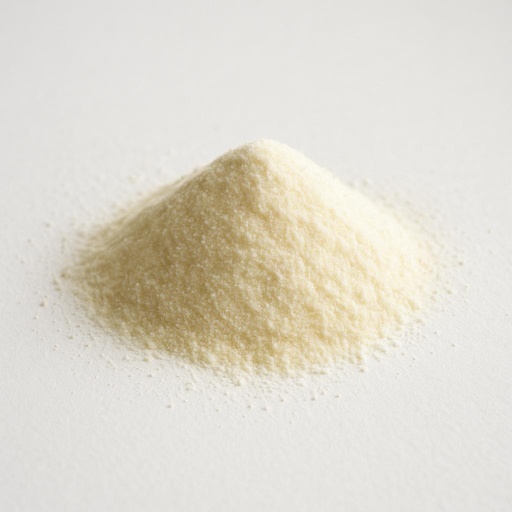
Ascorbic Acid Suppliers & Prices in Guatemala — Market Overview 2026
Parent Product
Vitamin C
Derived Products
Blackcurrant Drink, Plum Juice Drink, Long Life Fruit Juice Drink, Orange Fruit Cups, +3
Last Updated
2026-09-17
Key takeaways for search and sourcing teams
- 3 sampled export transactions for Guatemala are summarized.
- 8 export partner companies and 9 import partner companies are mapped for Ascorbic Acid in Guatemala.
- Page data last updated on 2026-09-17.
Ascorbic Acid Export Supplier Intelligence, Price Trends, and Trade Flows in Guatemala
8 export partner companies are tracked for Ascorbic Acid in Guatemala. Use Supply Chain Intelligence company profiles and analytics to validate exporter coverage, partner quality, and route priorities.
Explore Ascorbic Acid export intelligence in Guatemala, including 3 sampled supplier transactions, monthly unit-price ranges, and partner-country trade flow patterns for HS Code -.
Scatter points are sampled from 100.0% of the full transaction dataset.
Sample Export Supplier Transaction Records for Ascorbic Acid in Guatemala
3 sampled Ascorbic Acid transactions in Guatemala include date, origin, and partner-country context to benchmark export prices and supplier trading patterns.
Ascorbic Acid sampled transaction unit prices by date in Guatemala: 2026-02-10: 3.51 USD / kg, 2025-10-08: 15.00 USD / kg, 2025-10-08: 15.00 USD / kg.
| Date | Reported Product | Unit Price | Exporter | Importer | |
|---|---|---|---|---|---|
| 2026-02-10 | ACI** ********* ** ** ******** | 3.51 USD / kg | (Guatemala) | (Costa Rica) | |
| 2025-10-08 | ACI** ********** ****** ********** ******** ** **** ******* ***** **** *********** ** ************ ** *** ******* *** ***** ******* ******* | 15.00 USD / kg | (Guatemala) | (Costa Rica) | |
| 2025-10-08 | ACI** ********** ****** ********** ******** ** **** ******* ***** **** *********** ** ************ ** *** ******* *** ***** ******* ******* | 15.00 USD / kg | (Guatemala) | (Costa Rica) |
Top Ascorbic Acid Export Suppliers and Companies in Guatemala
Review leading exporter profiles and benchmark them against 8 total export partner companies tracked for Ascorbic Acid in Guatemala. Use Supply Chain Intelligence company profiles and analytics to shortlist sourcing and export partners faster.
(Guatemala)
Latest Export Transaction: 2026-08-17
Recently Export Partner Companies: 1
Industries: Animal ProductionFood Manufacturing
Value Chain Roles: Distribution / WholesaleFarming / Production / Processing / PackingFood Manufacturing
(Guatemala)
Latest Export Transaction: 2026-08-17
Employee Size: 11 - 50 Employees
Industries: Animal ProductionFood ManufacturingFood PackagingOthers
Value Chain Roles: Distribution / WholesaleFarming / Production / Processing / PackingFood ManufacturingOthers
(Guatemala)
Latest Export Transaction: 2026-08-17
Industries: Others
Value Chain Roles: Distribution / Wholesale
(Guatemala)
Latest Export Transaction: 2026-08-17
Employee Size: Over 1000 Employees
Sales Revenue: USD Over 1B
Industries: Beverage ManufacturingFood ManufacturingFood Packaging
Value Chain Roles: Distribution / WholesaleFood Manufacturing
(Guatemala)
Latest Export Transaction: 2026-08-17
Industries: Others
Value Chain Roles: Distribution / WholesaleTrade
(Guatemala)
Latest Export Transaction: 2026-08-17
Industries: Others
Value Chain Roles: Trade
Guatemala Export Partner Coverage
8 companies
Total export partner company count is a core signal of Guatemala export network depth for Ascorbic Acid.
Exporters and importers can open Supply Chain Intelligence company profiles and analytics to assess Ascorbic Acid partner concentration, capacity signals, and trade relevance in Guatemala.
Sourcing diagnosis
Could you be importing Ascorbic Acid from Guatemala yourself?
Just tell us your spec and the volume you need. We'll check whether it's actually sourceable, and which origins and suppliers fit.
Free diagnosis, no account required.
Ascorbic Acid Import Buyer Intelligence and Price Signals in Guatemala: Buyers, Demand, and Trade Partners
9 import partner companies are tracked for Ascorbic Acid in Guatemala. Exporters and importers can use Supply Chain Intelligence company profiles and analytics to analyze buyer demand, partner density, and downstream channels.
Scatter points are sampled from 100.0% of the full transaction dataset.
Sample Import Transaction and Price Records for Ascorbic Acid in Guatemala
5 sampled Ascorbic Acid import transactions in Guatemala provide date, origin, and trade-country context to benchmark price levels and demand-side trading patterns.
Ascorbic Acid sampled import transaction unit prices by date in Guatemala: 2025-12-22: 20.75 USD / kg, 2025-12-15: 5.05 USD / kg, 2025-12-08: 20.75 USD / kg, 2025-10-13: 5.05 USD / kg, 2025-09-24: 40.60 USD / kg.
| Date | Reported Product | Unit Price | Exporter | Importer | Origin | |
|---|---|---|---|---|---|---|
| 2025-12-22 | ACI** ********* | 20.75 USD / kg | (-) | (-) | - | |
| 2025-12-15 | ACI** ********* | 5.05 USD / kg | (-) | (-) | - | |
| 2025-12-08 | ACI** ********* | 20.75 USD / kg | (-) | (-) | - | |
| 2025-10-13 | ACI** ********* | 5.05 USD / kg | (-) | (-) | - | |
| 2025-09-24 | CAP***** ** ******** * | 40.60 USD / kg | (-) | (-) | - |
Top Ascorbic Acid Buyers, Importers, and Demand Partners in Guatemala
Review leading buyer profiles and compare them with 9 total import partner companies tracked for Ascorbic Acid in Guatemala. Exporters and importers can use Supply Chain Intelligence company profiles and analytics to evaluate demand-side partner fit.
(Guatemala)
Latest Import Transaction: 2025-09-18
Recently Import Partner Companies: 2
Industries: Animal ProductionFood Manufacturing
Value Chain Roles: Distribution / WholesaleFarming / Production / Processing / PackingFood Manufacturing
(Guatemala)
Latest Import Transaction: 2026-08-17
Industries: Food Manufacturing
Value Chain Roles: Distribution / WholesaleTrade
(Guatemala)
Latest Import Transaction: 2026-08-17
Industries: Fishing AquacultureFood ManufacturingFood PackagingFood Services And Drinking PlacesFood Wholesalers
Value Chain Roles: Distribution / WholesaleFarming / Production / Processing / PackingFood Manufacturing
(Guatemala)
Latest Import Transaction: 2026-08-17
Industries: Others
Value Chain Roles: Trade
(Guatemala)
Latest Import Transaction: 2026-08-17
Industries: Others
Value Chain Roles: Trade
(Guatemala)
Latest Import Transaction: 2026-08-17
Industries: Food ManufacturingFood PackagingOthers
Value Chain Roles: Distribution / WholesaleOthersTrade
Guatemala Import Partner Coverage
9 companies
Import partner company count highlights demand-side visibility for Ascorbic Acid in Guatemala.
Use Supply Chain Intelligence analytics and company profiles to identify active Ascorbic Acid importers, distributors, and buyer networks in Guatemala.
Export diagnosis
Your Ascorbic Acid — could it sell to these buyers in Guatemala?
Just tell us what you make. We'll see whether you're ready to export today and which markets suit your offer.
Free diagnosis, no account required.
Price data
Which Ascorbic Acid prices in Guatemala do you need?
We'll open up the full price history and competitor benchmarks. Just tell us which numbers you need and we'll walk you through them.
Classification
Product TypeIngredient
Product FormPowder (unmixed ascorbic acid; HS 2936.27)
Industry PositionNutraceutical and food ingredient (vitamin C)
Market
Ascorbic acid (vitamin C) in Guatemala is primarily an import-supplied ingredient used in dietary supplement products and other formulated goods. UN Comtrade-based data for HS 293627 shows Guatemala importing meaningful volumes, with China the dominant origin in 2023. Market access risk is driven less by agronomic factors and more by customs classification and sanitary registration pathways for products marketed as dietary supplements. For finished dietary supplements, Guatemala’s MSPAS (DRCPFA) sanitary registration process and dossier requirements can be a practical gate for commercialization timelines.
Market RoleNet importer (import-dependent ingredient market)
Domestic RoleImported input for dietary supplement products; distribution via local importers/distributors under Guatemala customs and MSPAS sanitary registration frameworks
Specification
Supply Chain
Value Chain
- Overseas manufacturer → ocean/air freight → Guatemala customs import declaration (DUCA) → importer/distributor → downstream formulation/packing for local sale (where applicable) → retail/wholesale channels
Temperature
- Typically handled as a dry, ambient-stable ingredient; moisture control and intact packaging are key to prevent caking/degradation during transit and warehousing
Shelf Life
- Shelf-life performance in-market is primarily sensitive to humidity exposure and packaging integrity rather than cold-chain breaks
Risks
Regulatory Compliance HighIf the product is marketed as a dietary supplement in Guatemala, MSPAS (DRCPFA) sanitary registration is a practical gate to import commercialization; missing or non-compliant dossier items (e.g., Free Sale certificate and GMP certificate) can cause rejection or extended delays.Align the product classification and dossier to the MSPAS DRCPFA procedure before shipment; secure authenticated Free Sale and GMP certificates that match the finished form and establishment details.
Supply Concentration MediumGuatemala’s import supply for unmixed vitamin C (HS 293627) is heavily concentrated in a single origin (China in 2023), increasing exposure to external price, availability, and export-logistics shocks from that origin.Qualify secondary origins and pre-approved alternative suppliers; maintain safety stock sized to expected MSPAS registration and customs lead times.
Customs Clearance MediumCustoms delays can occur if the DUCA type, HS classification, or associated permit/requirement set is misapplied; this can disrupt delivery windows for manufacturers or distributors relying on imported ingredient supply.Validate the tariff line and any associated requirements using SAT’s 'Arancel Integrado' and work with an experienced customs broker to ensure DUCA support-document alignment.
Product Quality MediumFor finished dietary supplements, MSPAS requires evidence tied to manufacturing quality controls (e.g., GMP documentation); quality documentation gaps can trigger non-approval and may increase enforcement risk if products reach the market without compliant authorization.Implement lot-level release controls (COA review and identity/assay testing as appropriate) and ensure label/finished-form documentation matches MSPAS registration submissions.
Standards
- GMP evidence (manufacturer/packer, where applicable) is explicitly referenced in the MSPAS DRCPFA procedure requirements for new dietary supplement sanitary registration
FAQ
Where did Guatemala source most of its unmixed vitamin C imports from in 2023?In 2023, Guatemala’s largest supplier for HS 293627 (vitamin C and its derivatives, unmixed) was China, with smaller import volumes reported from Uruguay, the United States, the United Kingdom, and Mexico.
What are key dossier elements referenced for registering a vitamin C dietary supplement in Guatemala?The government procedure listing for a new dietary supplement sanitary registration (MSPAS/DRCPFA) references an application (F-AS-f-04), a Certificate of Free Sale from a competent authority, and a valid GMP certificate issued by the competent authority of the manufacturing country, alongside the corresponding proof-of-payment documents.
Which DUCA type is used in Guatemala for imports from third countries?SAT guidance describes DUCA-D as the declaration used for goods originating and coming from third countries (i.e., not using the regional-origin DUCA-F).
Sources
Other Ascorbic Acid Country Markets for Supplier, Export, and Price Comparison from Guatemala
Compare Ascorbic Acid supplier coverage, trade flows, and price benchmarks across countries related to Guatemala.


Export & sourcing diagnosis
Ascorbic Acid in Guatemala — are you buying, or selling?
Either way it's a few questions. We'll come back with where you could buy it, or who you could sell it to.
Free diagnosis, no account required.
Related Ascorbic Acid Product Categories
Browse parent, sub, derived, and raw-material product market pages related to Ascorbic Acid.
Parent product: Vitamin C
By clicking “Accept Cookies,” I agree to provide cookies for statistical and personalized preference purposes. To learn more about our cookies, please read our Privacy Policy.