Ascorbic Acid Suppliers & Prices in Russia — Market Overview 2026
Parent Product
Vitamin C
Derived Products
Blackcurrant Drink, Plum Juice Drink, Long Life Fruit Juice Drink, Orange Fruit Cups, +3
Last Updated
2026-09-17
Key takeaways for search and sourcing teams
- 3 sampled export transactions for Russia are summarized.
- Page data last updated on 2026-09-17.
Ascorbic Acid Export Supplier Intelligence, Price Trends, and Trade Flows in Russia
104 export partner companies are tracked for Ascorbic Acid in Russia. Use Supply Chain Intelligence company profiles and analytics to validate exporter coverage, partner quality, and route priorities.
Explore Ascorbic Acid export intelligence in Russia, including 3 sampled supplier transactions, monthly unit-price ranges, and partner-country trade flow patterns for HS Code -.
Scatter points are sampled from 100.0% of the full transaction dataset.
Sample Export Supplier Transaction Records for Ascorbic Acid in Russia
3 sampled Ascorbic Acid transactions in Russia include date, origin, and partner-country context to benchmark export prices and supplier trading patterns.
Ascorbic Acid sampled transaction unit prices by date in Russia: 2025-10-08: 17.51 USD / kg, 2025-09-06: 19.73 USD / kg, 2025-09-05: 22.86 USD / kg.
| Date | Reported Product | Unit Price | Exporter | Importer | |
|---|---|---|---|---|---|
| 2025-10-08 | 1) *** * **** ********** ********* ******** * * ***** ********** ********* ******* * * ****** ** ****************************************** ************ ******** ********* ** *********** **** **** *** ** *** * ********** ********** ********** ** **** ********* *********** ** *** ******************** *** ******* ************** | 17.51 USD / kg | (Russia) | (Uzbekistan) | |
| 2025-09-06 | 1) *** * **** ********** ********* ******** * * ***** ********** ********* ******* * * ****** ** ****************************************** ************ ******** ********* ** *********** **** ***** *** ** *** * ********** ********** ********** ** **** ********* *********** ** *** ******************** *** ******* ************** | 19.73 USD / kg | (Russia) | (Uzbekistan) | |
| 2025-09-05 | 1. *** *** ******* * ********* * ********* ******* * *************** ** ****** ** ********** ************** *** *** ********** ******** * **** *** *** **** ***** ** ** **** ** * ****** ** ********** ** *** *** ** ***** **** ***** * | 22.86 USD / kg | (Russia) | (Uzbekistan) |
Top Ascorbic Acid Export Suppliers and Companies in Russia
Review leading exporter profiles and benchmark them against 104 total export partner companies tracked for Ascorbic Acid in Russia. Use Supply Chain Intelligence company profiles and analytics to shortlist sourcing and export partners faster.
(Russia)
Latest Export Transaction: 2026-08-17
Industries: Food ManufacturingFood Packaging
Value Chain Roles: Distribution / Wholesale
(Russia)
Latest Export Transaction: 2026-08-17
Recently Export Partner Companies: 1
Employee Size: Over 1000 Employees
Industries: Food ManufacturingFood PackagingOthers
Value Chain Roles: Farming / Production / Processing / PackingFood Manufacturing
(Russia)
Latest Export Transaction: 2026-08-17
Industries: Beverage ManufacturingFood Manufacturing
Value Chain Roles: Food ManufacturingTrade
(Russia)
Latest Export Transaction: 2026-08-17
Recently Export Partner Companies: 1
Employee Size: 51 - 100 Employees
Sales Revenue: USD 10M - 50M
Industries: Beverage ManufacturingFood ManufacturingFood PackagingOthers
Value Chain Roles: Food ManufacturingRetailTrade
(Russia)
Latest Export Transaction: 2026-08-17
Employee Size: 51 - 100 Employees
Sales Revenue: USD Over 1B
Industries: Others
Value Chain Roles: Trade
(Russia)
Latest Export Transaction: 2026-08-17
Industries: Food Manufacturing
Value Chain Roles: Food Manufacturing
Russia Export Partner Coverage
104 companies
Total export partner company count is a core signal of Russia export network depth for Ascorbic Acid.
Exporters and importers can open Supply Chain Intelligence company profiles and analytics to assess Ascorbic Acid partner concentration, capacity signals, and trade relevance in Russia.
Sourcing diagnosis
Could you be importing Ascorbic Acid from Russia yourself?
Just tell us your spec and the volume you need. We'll check whether it's actually sourceable, and which origins and suppliers fit.
Free diagnosis, no account required.
Export diagnosis
Your Ascorbic Acid — could it sell to these buyers in Russia?
Just tell us what you make. We'll see whether you're ready to export today and which markets suit your offer.
Free diagnosis, no account required.
Price data
Which Ascorbic Acid prices in Russia do you need?
We'll open up the full price history and competitor benchmarks. Just tell us which numbers you need and we'll walk you through them.
Classification
Product TypeIngredient
Product FormCrystalline Powder
Industry PositionNutraceutical Ingredient
Market
Ascorbic acid in Russia is primarily an imported ingredient for dietary supplement, pharmaceutical, and fortified-food formulation. The country is a net importer and domestic formulation market, with China the dominant supplier in the latest WITS data and the US and EU as secondary sources. Domestic commercialization is shaped more by sanctions-era logistics and compliance than by product-specific prohibition. Finished BAA products containing vitamin C are subject to state registration and digital marking.
Market RoleNet importer and domestic formulation market
Domestic RoleInput for supplement, pharmaceutical, and fortified-food production
Market GrowthMixed (Medium-term outlook)Uneven but positive demand growth
Specification
Physical Attributes
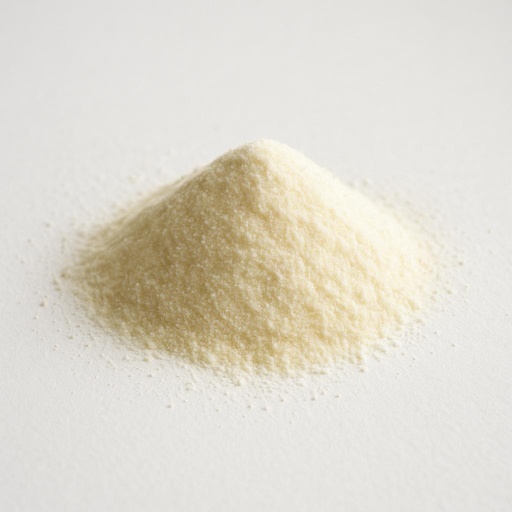
- White to slightly yellow crystalline powder
- Odorless
- Sensitive to air, light, and moisture
Compositional Metrics
- Assay for vitamin C potency
- Moisture and impurity limits under pharmacopeial or food-additive specifications
Grades
- Food grade
- Pharmaceutical grade
Supply Chain
Value Chain
- Overseas synthesis -> import customs clearance -> distributor -> domestic supplement/pharmaceutical formulation -> retail sale
- Finished BAA products require downstream registration and marking before consumer sale
Temperature
- Store and transport dry and cool; protect from heat, light, and moisture
Atmosphere Control
- Limit exposure to oxygen and humidity because oxidation accelerates degradation
Shelf Life
- Dry ascorbic acid is relatively stable, but potency falls with humidity, heat, and light exposure
Freight IntensityLow
Transport ModeMultimodal
Risks
Sanctions HighRussia-related sanctions and banking restrictions can delay or block payments, freight, insurance, and supplier onboarding from Western counterparts even when vitamin C itself is not specifically banned.Screen counterparties, pre-clear payment and insurance routes, and keep non-sanctioned sourcing options available.
Regulatory Compliance MediumIf the ingredient is sold through a finished BAA, Russia requires state registration and digital marking; label or claim mismatches can stop retail sale or trigger enforcement.Align artwork, product name, claims, and registration data before shipment.
Logistics MediumRussia's 2024 import supply for vitamin C is externally concentrated, so a disruption on a main lane or supplier can tighten availability quickly.Use dual sourcing and safety stock, and avoid overreliance on a single lane or warehouse entry point.
Food Safety MediumUnverified or degraded lots can lose potency or be rejected if assay, moisture, or identity checks do not match the declared specification.Require COA matching, retain samples, and perform incoming quality testing on each lot.
Price Volatility MediumFX swings and freight rerouting can change landed cost quickly because Russia depends on imports for this ingredient.Quote in clear currency terms, review hedge options, and refresh landed-cost assumptions regularly.
Standards
- GMP
- ISO 22000
- FSSC 22000
FAQ
Is vitamin C treated as a medicine in Russia?No. Rospotrebnadzor treats dietary supplements as food products rather than medicines. If the product is sold as a supplement, the finished item still needs the normal Russian registration and marking steps before retail sale.
Where does Russia mostly source ascorbic acid from?China is the main supplier in the latest WITS data, with the US and EU as smaller secondary sources.
What matters most for importing ascorbic acid into Russia?For bulk ingredient shipments, the practical core is a correct customs declaration, invoice, packing list, and a matching product specification or analysis certificate. If the shipment is a finished dietary supplement, state registration and marking details also matter.
Sources
Other Ascorbic Acid Country Markets for Supplier, Export, and Price Comparison from Russia
Compare Ascorbic Acid supplier coverage, trade flows, and price benchmarks across countries related to Russia.


Export & sourcing diagnosis
Ascorbic Acid in Russia — are you buying, or selling?
Either way it's a few questions. We'll come back with where you could buy it, or who you could sell it to.
Free diagnosis, no account required.
Related Ascorbic Acid Product Categories
Browse parent, sub, derived, and raw-material product market pages related to Ascorbic Acid.
Parent product: Vitamin C
By clicking “Accept Cookies,” I agree to provide cookies for statistical and personalized preference purposes. To learn more about our cookies, please read our Privacy Policy.