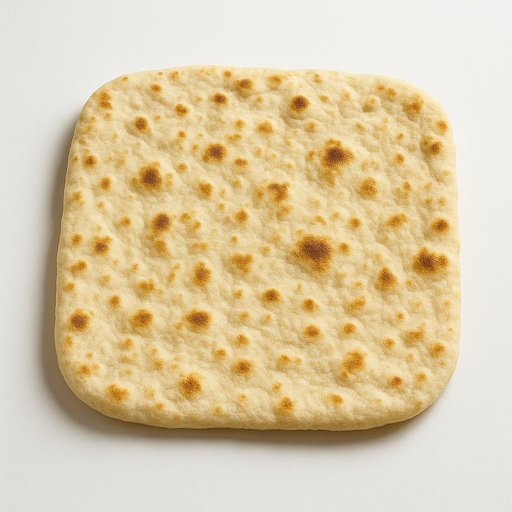
중국 플랫브레드 공급업체 및 가격 — 마켓 오버뷰 2026
원재료
우유, 우유 버터, 분유, 올리브 기름, +3
HS 코드
190590
최종 업데이트
2026-09-21
서치 및 소싱 팀을 위한 핵심 요약
- 중국에 대한 샘플 수출 거래 5건이 요약되어 있습니다.
- 중국의 플랫브레드에 대해 수출 파트너 기업(제조사 포함) 10개와 수입 파트너 기업 36개가 매핑되어 있습니다.
- 이 페이지 데이터셋의 최신 기준 연도는 2024입니다.
- 페이지 데이터 최종 업데이트일: 2026-09-21.
중국의 플랫브레드 수출 공급업체·제조사 인텔리전스, 가격 동향, 무역 흐름
중국의 플랫브레드에 대해 수출 파트너 기업 10개가 추적됩니다. Supply Chain Intelligence 회사 프로필 및 분석으로 수출업체 커버리지, 파트너 품질, 경로 우선순위를 검증하세요.
중국에서의 플랫브레드 수출 인텔리전스를 확인하세요. 샘플 공급업체 거래 5건, 월간 단가 범위, HS 코드 190590의 파트너 국가 무역 흐름 패턴을 포함합니다.
스캐터 포인트는 전체 거래 데이터셋의 56.0%에서 샘플링되었습니다. 각 점은 실제 거래입니다. 가입하고 확인해 보세요 — 적정한 거래였는지 AI에게 물어볼 수도 있습니다.
중국의 플랫브레드 샘플 수출 공급업체·제조사 거래 기록
중국의 플랫브레드 샘플 거래 5건에는 수출 가격과 공급업체 거래 패턴 벤치마킹을 위한 날짜, 원산지, 파트너 국가 맥락이 포함됩니다.
중국의 플랫브레드 샘플 거래 단가(일자별): 2026-09-11: 4.01 USD / kg, 2026-09-04: 5.03 USD / kg, 2026-08-26: 3.33 USD / kg, 2026-07-07: 5.03 USD / kg, 2026-07-06: 1.85 USD / kg.
| 일자 | 신고 품목 | 단가 | 수출업체 | 수입업체 | |
|---|---|---|---|---|---|
| 2026-09-11 | [빵류* ***************** | 4.01 USD / kg | (중국) | (대한민국) | |
| 2026-09-04 | [빵류* *********** ******** | 5.03 USD / kg | (중국) | (대한민국) | |
| 2026-08-26 | [빵류* ** * **** ********** ***** ***** | 3.33 USD / kg | (중국) | (대한민국) | |
| 2026-07-07 | [빵류* *********** ******** | 5.03 USD / kg | (중국) | (대한민국) | |
| 2026-07-06 | [빵류* ************************ ************ | 1.85 USD / kg | (중국) | (대한민국) |
이 5건은 샘플입니다 — 트릿지에 가입하고 중국 플랫브레드 거래를 확인하세요
필요한 거래의 수출·수입업체와 가격을 확인하고, 적정한 거래였는지 AI에게 묻고, AI Curation으로 만들어 보세요.
중국의 상위 플랫브레드 수출 공급업체, 제조사 및 기업
선도 수출업체 프로필을 검토하고 중국의 플랫브레드에 대해 추적되는 전체 수출 파트너 기업 10개와 비교하세요. Supply Chain Intelligence 회사 프로필 및 분석으로 소싱 및 수출 파트너를 더 빠르게 선별할 수 있습니다.
(중국)
최근 수출 거래: 2026-08-21
산업군: 기타
밸류체인 역할: 무역
(중국)
최근 수출 거래: 2026-08-21
산업군: 식품 도매
밸류체인 역할: 유통 / 도매, 무역
(중국)
최근 수출 거래: 2026-08-21
산업군: 식품 제조, 식품 도매, 기타
밸류체인 역할: 유통 / 도매, 식품 제조, 무역
(중국)
최근 수출 거래: 2026-08-21
산업군: 기타
밸류체인 역할: 무역
(중국)
최근 수출 거래: 2026-08-21
산업군: 식품 도매
밸류체인 역할: 유통 / 도매, 무역
(중국)
최근 수출 거래: 2026-08-21
산업군: 음료 제조, 식품 제조, 식품 도매
밸류체인 역할: 유통 / 도매, 무역
트릿지 아이에서 전체 그림 보기: 가격·거래 전체 이력 · 725,009+ 기업 프로필
중국 수출 파트너 커버리지
10개 기업
총 수출 파트너 기업 수는 중국의 플랫브레드 수출 네트워크 깊이를 보여주는 핵심 신호입니다.
수출업체와 수입업체는 공급망 인텔리전스 기업 프로필 및 분석을 열어 중국 내 플랫브레드 파트너 집중도, 공급 역량 시그널, 무역 관련성을 평가할 수 있습니다.
중국 내 플랫브레드의 연간 수출 금액, 물량 및 공급업체 시장 규모 (HS 코드 190590)
중국의 플랫브레드 수출 물량/금액 2년치를 분석해 공급 측 시장 성장, 계절성, 무역 변동성을 평가하세요.
| 연도 | 물량 | 금액 |
|---|---|---|
| 2023 | 162,293,137 | 560,027,322 USD |
| 2022 | 138,793,740 | 484,753,051 USD |
소싱 진단
중국산 플랫브레드, 우리도 들여올 수 있을까요?
필요한 스펙과 물량만 알려주세요. 실제로 소싱이 되는지, 어떤 원산지와 공급사가 맞는지 짚어드려요.
무료 진단, 계정 없이 이용 가능합니다.
중국의 플랫브레드 수입 바이어 인텔리전스 및 가격 시그널: 바이어, 수요, 거래 파트너
중국의 플랫브레드에 대해 수입 파트너 기업 36개가 추적됩니다. 수출업체와 수입업체는 Supply Chain Intelligence 회사 프로필 및 분석을 활용해 바이어 수요, 파트너 밀도, 다운스트림 채널을 분석할 수 있습니다.
스캐터 포인트는 전체 거래 데이터셋의 100.0%에서 샘플링되었습니다. 각 점은 실제 거래입니다. 가입하고 확인해 보세요 — 적정한 거래였는지 AI에게 물어볼 수도 있습니다.
플랫브레드의 중국 샘플 수입 거래 및 가격 기록
중국의 플랫브레드 샘플 수입 거래 3건은 가격 수준과 수요 측 거래 패턴 벤치마킹을 위한 날짜, 원산지, 무역 국가 맥락을 제공합니다.
중국의 플랫브레드 샘플 수입 거래 단가(일자별): 2025-12-02: 2.75 USD / kg, 2025-12-02: 2.75 USD / kg, 2025-12-02: 2.75 USD / kg.
| 일자 | 신고 품목 | 단가 | 수출업체 | 수입업체 | 원산지 | |
|---|---|---|---|---|---|---|
| 2025-12-02 | DAL ******* ***** ** *** ***** ******* ** *** ******* | 2.75 USD / kg | (-) | (-) | - | |
| 2025-12-02 | PUD*** ******* ***** ** *** ***** ******* ** *** ******* | 2.75 USD / kg | (-) | (-) | - | |
| 2025-12-02 | MET** ******* ***** ** *** ***** ******* ** *** ******* | 2.75 USD / kg | (-) | (-) | - |
이 3건은 샘플입니다 — 트릿지에 가입하고 중국 플랫브레드 거래를 확인하세요
필요한 거래의 수출·수입업체와 가격을 확인하고, 적정한 거래였는지 AI에게 묻고, AI Curation으로 만들어 보세요.
중국 내 상위 플랫브레드 바이어, 수입업체 및 수요 파트너
선도 바이어 프로필을 검토하고 중국의 플랫브레드에 대해 추적되는 전체 수입 파트너 기업 36개와 비교하세요. 수출업체와 수입업체는 Supply Chain Intelligence 회사 프로필 및 분석으로 수요 측 파트너 적합도를 평가할 수 있습니다.
(중국)
최근 수입 거래: 2026-08-21
산업군: 식품 제조
밸류체인 역할: 식품 제조
(중국)
최근 수입 거래: 2026-08-21
임직원 규모: 직원 11 - 50명
산업군: 음료 제조, 식품 제조, 식품 포장, 식음료 서비스업
밸류체인 역할: 유통 / 도매, 무역
(중국)
최근 수입 거래: 2026-08-21
산업군: 음료 제조, 식품 제조, 기타
밸류체인 역할: 식품 제조, 기타
(중국)
최근 수입 거래: 2026-08-21
산업군: 기타
밸류체인 역할: 무역
(중국)
최근 수입 거래: 2026-08-21
임직원 규모: 직원 1000명 초과
매출액: 매출 USD 1B 초과
산업군: 음료 제조, 식품 제조
밸류체인 역할: 유통 / 도매, 식품 제조
(중국)
최근 수입 거래: 2026-08-21
산업군: 브로커 및 무역 대행, 식품 제조
밸류체인 역할: 유통 / 도매, 식품 제조, 무역
트릿지 아이에서 전체 그림 보기: 가격·거래 전체 이력 · 725,009+ 기업 프로필
중국 수입 파트너 커버리지
36개 기업
수입 파트너 기업 수는 중국의 플랫브레드 수요 측 가시성을 보여줍니다.
공급망 인텔리전스 분석과 기업 프로필을 활용해 중국에서 활동 중인 플랫브레드 수입업체, 유통업체, 바이어 네트워크를 식별하세요.
중국 내 플랫브레드의 연간 수입 금액, 물량 및 수요 규모 (HS 코드 190590)
중국의 플랫브레드 수입 물량/금액 2년치를 추적해 수요 성장과 시장 모멘텀을 평가하세요.
| 연도 | 물량 | 금액 |
|---|---|---|
| 2023 | 53,669,380 | 504,955,202 USD |
| 2022 | 47,923,489 | 485,383,971 USD |
수출 진단
우리 플랫브레드, 이 중국 바이어들에게 팔 수 있을까요?
만드시는 제품만 알려주시면 됩니다. 지금 수출할 준비가 됐는지, 어느 시장이 맞는지 봐드려요.
무료 진단, 계정 없이 이용 가능합니다.
가격 데이터
중국 플랫브레드 가격, 어디까지 필요하세요?
전체 가격 히스토리와 경쟁사 벤치마크를 열어드립니다. 어떤 숫자가 필요하신지만 말씀해 주시면 함께 살펴봐 드려요.
Classification
Product TypeProcessed Food
Product FormBaked (Fresh/Packaged)
Industry PositionProcessed Bakery Product
Market
Flatbread in China is primarily a domestically produced bakery and staple-style product category spanning packaged modern-bakery items and regionally distinctive flatbreads (e.g., northern-style bing and Xinjiang-style nang). Demand is driven mainly by everyday domestic consumption through foodservice, fresh bakery, and retail channels, with imports typically niche (often frozen or specialty) due to bulk freight costs and short freshness windows. For imported prepackaged flatbread, China market entry hinges on compliance with national food safety standards (including labeling and additive-use standards) and customs/food-safety administration requirements. As a result, regulatory readiness and documentation discipline are the key determinants of clearance and commercial continuity.
Market RoleDomestic consumption market with large local production; imports are niche
Domestic RoleMainstream staple-style and bakery consumption product across retail and foodservice
Market GrowthNot Mentioned
Specification
Physical Attributes
- Flat, round or oval shape with uniform thickness
- Surface browning consistency; low scorching and low visible defects
- Texture targets vary by style (soft/pliable vs crisp/chewy)
Packaging
- Prepackaged retail packs with date marking and Chinese-compliant labeling for modern trade
- Bulk packs for foodservice; frozen formats commonly used for longer shelf-life distribution
Supply Chain
Value Chain
- Flour and ingredients → dough preparation → forming → baking → cooling → (optional slicing/freezing) → packaging → distribution to retail/foodservice
Temperature
- Ambient distribution is common for short-shelf-life packaged flatbread with preservatives controlled to standard limits
- Frozen distribution is commonly used for longer shelf-life and foodservice supply (requires cold-chain integrity)
Shelf Life
- Shelf-life is highly sensitive to post-bake cooling, moisture control, and package integrity; breaks in cold chain can cause condensation and mold risk for chilled/frozen formats.
Freight IntensityHigh
Transport ModeSea
Risks
Regulatory Compliance HighChina import clearance can be blocked or severely delayed if the overseas manufacturer registration status, China-label compliance (GB requirements), or additive/ingredient declarations do not align with China’s import food safety administration and applicable GB standards for prepackaged foods.Run a pre-shipment compliance gate: verify GACC registration applicability/status, complete China-label and nutrition label review against GB standards, and align ingredient/additive usage and declarations with GB requirements using importer QA sign-off.
Logistics MediumFor imported flatbread (especially frozen formats), ocean freight volatility and cold-chain integrity risks can erode margins and create quality failures (condensation, mold, texture degradation) that lead to customer claims or rejection.Use validated cold-chain lanes, specify temperature loggers, tighten packaging moisture barriers, and plan safety lead-times around peak shipping seasons and port congestion.
Labor And Human Rights MediumIf product or key inputs are sourced from Xinjiang-linked supply chains, international buyers or downstream markets may impose enhanced due diligence requirements, and certain jurisdictions may detain goods under forced-labor enforcement frameworks.Implement origin mapping and supplier attestations to the mill/farm and facility level, maintain auditable labor due diligence records, and avoid commingling high-risk origin inputs without segregation controls.
Food Safety MediumNon-compliance with China’s additive-use limits or labeling declarations for preservatives/emulsifiers in packaged flatbread can trigger enforcement actions, including relabeling requirements, detention, or recall.Validate formulations and label declarations against GB 2760 and applicable labeling standards, and maintain supporting specifications and test records for inspection.
Labor & Social
- Heightened human-rights due diligence expectations may apply for supply chains involving Xinjiang due to international forced-labor allegations and related import enforcement actions in certain destination markets (relevant if flatbread or key inputs are sourced or manufactured in Xinjiang).
Standards
- HACCP
- ISO 22000
- FSSC 22000
- BRCGS
FAQ
What is the biggest practical blocker for importing prepackaged flatbread into China?Regulatory readiness is usually the main blocker: if the overseas manufacturer registration requirements, Chinese label compliance, or ingredient/additive declarations don’t match China’s import food-safety administration and GB standards, shipments can be detained, forced to relabel, returned, or destroyed.
Which China standards matter most for a flatbread label and additives?For prepackaged flatbread, the most recurring compliance checkpoints are China’s general labeling requirements (GB standards for prepackaged food labeling and nutrition labeling where applicable) and the national standard governing permitted food additive use and limits (GB 2760).
Why are imports often niche for flatbread in China?Flatbread tends to be bulky relative to value and sensitive to freshness; for imported frozen or packaged flatbread, ocean freight and cold-chain costs and risks can make mainstream SKUs less competitive versus domestic production, so imports are more commonly positioned as specialty or foodservice items.
Sources


수출·소싱 진단
중국 플랫브레드, 사는 쪽이세요 파는 쪽이세요?
어느 쪽이든 몇 가지만 답해주시면 됩니다. 어디서 살 수 있는지, 누구에게 팔 수 있는지 정리해서 보내드릴게요.
무료 진단, 계정 없이 이용 가능합니다.
'쿠키 허용'을 클릭하면 통계 및 개인 선호도 산출을 위한 쿠키 제공에 동의하게 됩니다.
개인정보 보호정책에서 쿠키에 대한 자세한 내용을 확인할 수 있습니다.